A garage door opener is something most homeowners rarely think about until it starts causing problems. Maybe it takes longer to respond, struggles to lift the door, makes grinding noises, or stops working altogether. While some issues can be repaired, others indicate it’s time to replace your garage door opener before it leaves you stuck outside or creates a safety risk.
Most garage door openers last 10 to 15 years, depending on usage, maintenance, and the quality of the unit. As they age, internal components wear out, technology becomes outdated, and modern safety features may be missing. Recognizing the warning signs early can help you avoid repeated repairs, improve reliability, and decide whether replacement is the smarter investment.
In this guide, you’ll learn how long garage door openers typically last, the most common signs that indicate replacement is the better option, and what to consider before upgrading to a new unit.
How Long Does a Garage Door Opener Last?
Most residential garage door openers have an average garage door opener lifespan of 10 to 15 years. However, lifespan varies depending on several factors, including how often the door is used, the weight of the garage door, routine maintenance, and the overall condition of the entire door system.
A well-maintained opener operating a properly balanced garage door may continue working reliably for many years. On the other hand, an opener that constantly lifts an unbalanced or poorly maintained door can wear out much sooner because the motor and drive system are placed under continuous strain.
Several factors can shorten an opener’s lifespan, including:
- Daily use multiple times a day
- Heavy insulated or oversized garage doors
- Lack of routine maintenance
- Worn springs or rollers creating additional resistance
- Moisture, dust, or extreme temperatures affecting internal components
Older units may also lack modern features that have become standard on today’s openers, such as battery backup, Wi-Fi connectivity, smartphone control, rolling-code security, and enhanced garage door opener safety features.
While age alone doesn’t always mean you need to replace your garage door opener, it should encourage a closer inspection if performance has started to decline.
When Should You Replace Your Garage Door Opener?
Garage door openers usually provide several warning signs before they fail completely. Paying attention to these changes allows homeowners to plan for garage door opener replacement instead of dealing with an unexpected breakdown.
If your opener is over 10 years old and you’ve noticed more than one of the symptoms below, replacing it may be more cost-effective than continuing to repair aging components.
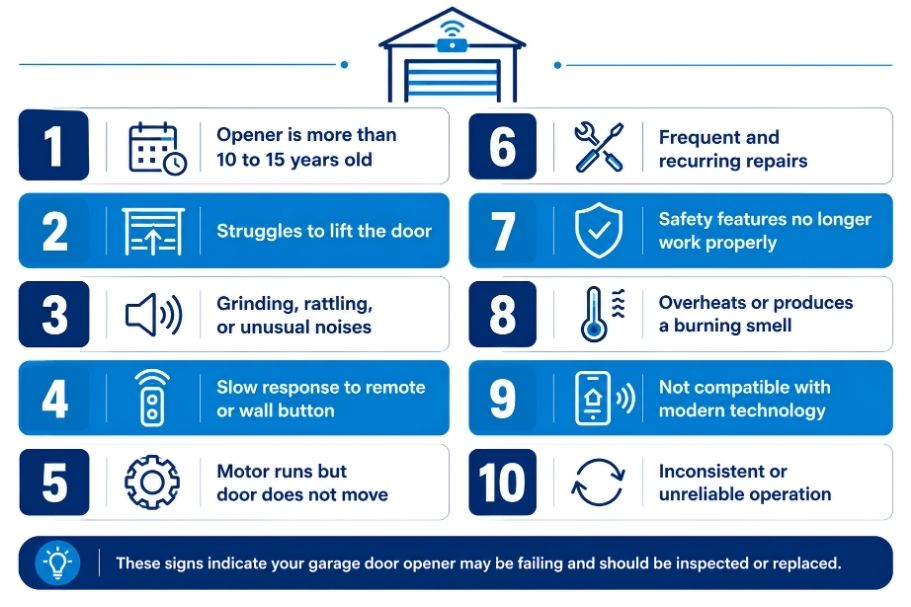
1. Your Garage Door Opener Is More Than 10–15 Years Old
Age is one of the strongest indicators that it may be time to replace your garage door opener.
Even if the unit still operates, older openers often contain worn internal gears, outdated electronics, and safety technology that no longer meets current standards. Replacement parts may also become difficult to find, making future repairs more expensive.
A new garage door opener offers several advantages beyond simply restoring reliable operation, including quieter performance, improved security, smart-home integration, and better energy efficiency.
2. The Opener Struggles to Lift the Door
If your garage door opens more slowly than usual, hesitates during operation, or seems to work harder than it once did, the opener may be reaching the end of its service life.
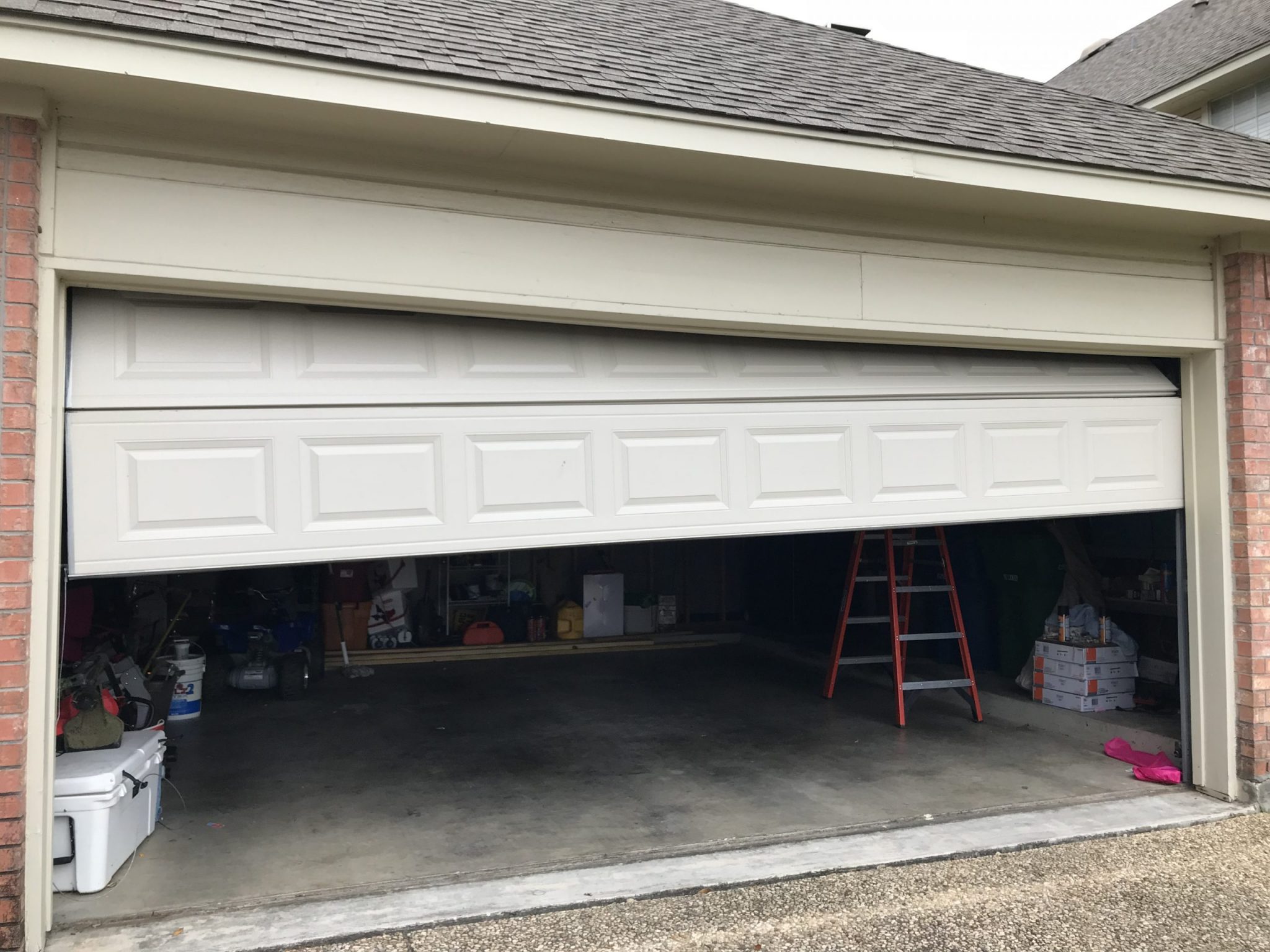
However, before assuming the opener is failing, it is important to determine whether another component is creating additional resistance. Problems such as worn rollers, damaged cables, poor lubrication, or broken garage door springs can force the opener to work much harder than it was designed to handle.
If these issues have already been corrected and the opener continues struggling, replacing the unit is often the most practical long-term solution.
3. Grinding, Rattling, or Unusual Motor Noises
A garage door opener should produce a consistent operating sound. While every opener generates some noise, new or increasingly loud sounds usually indicate mechanical wear.
Warning noises include:
- Grinding
- Clicking
- Rattling
- Screeching
- Metal-on-metal sounds
- Loud vibration during operation
These sounds often develop as internal gears, bearings, drive mechanisms, or the motor itself begin wearing out.
In some cases, routine garage door maintenance can reduce noise caused by loose hardware or poor lubrication. If the noises originate inside the opener, however, replacement is often more economical than repairing multiple aging components.
4. The Door Responds Slowly to the Remote or Wall Button
A noticeable delay between pressing the remote and the door beginning to move is another common sign of an aging opener.
Before replacing the unit, homeowners should rule out simple causes such as:
- Weak remote batteries
- Signal interference
- Dirty safety sensors
- Misaligned photo eyes
If these issues have been addressed and delayed operation continues, the problem may lie within the opener’s receiver, logic board, or internal electronics.
As these components age, response times often become less consistent, making garage door opener replacement a more dependable long-term solution than repeated troubleshooting.
5. The Motor Runs, but the Door Doesn’t Move
One of the clearest signs that something is wrong is hearing the opener motor run while the garage door remains in the same position.
Although many homeowners assume the opener has completely failed, this symptom can have several causes, including:
- Worn or stripped drive gears
- A disconnected trolley
- A damaged drive belt or chain
- Internal motor failure
- An emergency release that has been disengaged
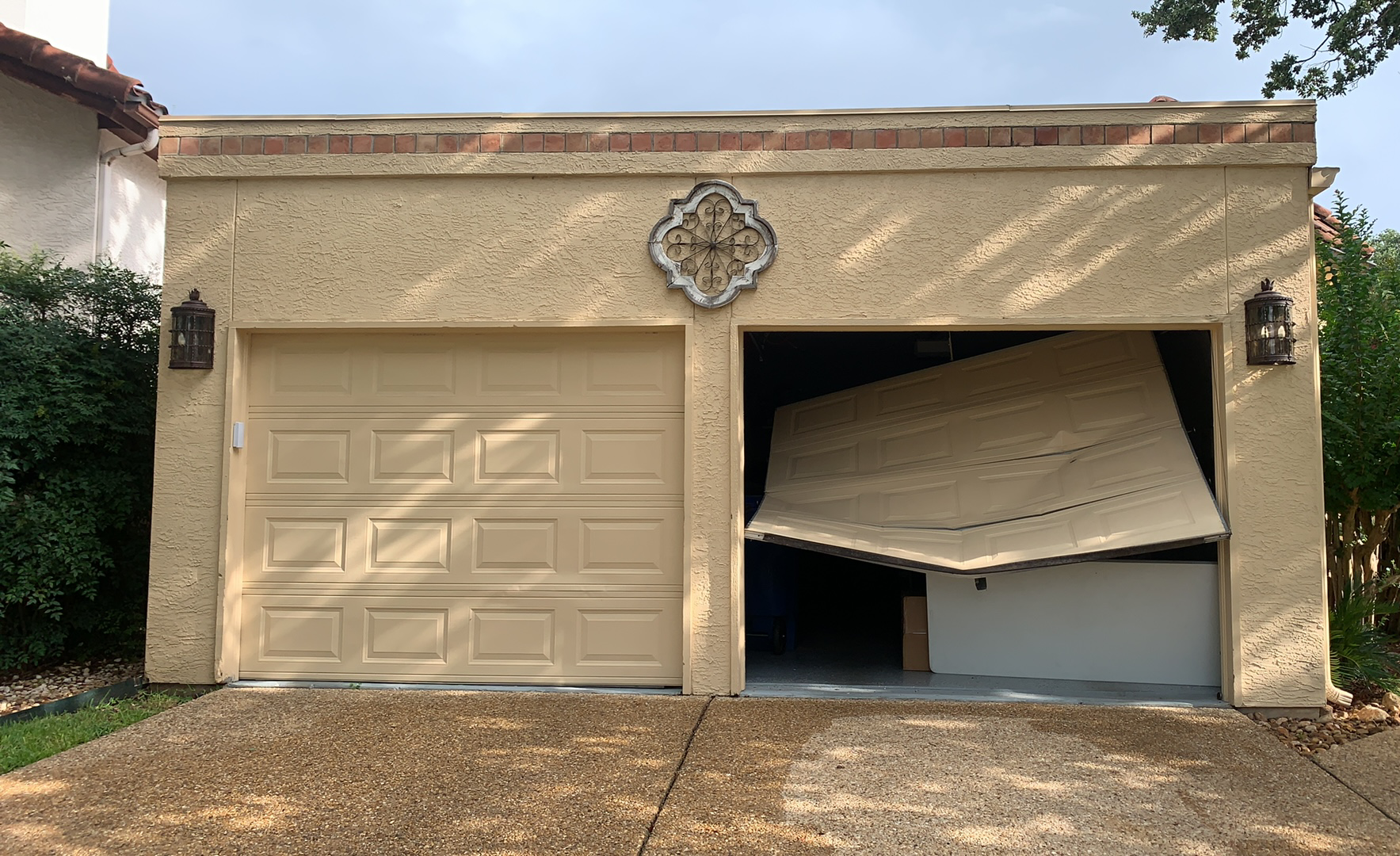
In some situations, the opener itself isn’t the problem. A broken spring can also prevent the door from moving because the opener is no longer able to lift the full weight of the door.
If the drive components inside the opener are worn or damaged, replacing the garage door opener motor may seem like a logical solution. However, for older units, replacing the entire opener is often more cost-effective than repairing individual components that may continue to wear out.
6. You’re Paying for Frequent Repairs
Occasional repairs are normal over the life of any mechanical system. However, if your opener requires service every few months, replacement often provides better long-term value.
Repeated repairs can quickly add up, especially when multiple components begin failing one after another.
Common recurring problems include:
- Worn drive gears
- Failing circuit boards
- Sensor malfunctions
- Remote connectivity issues
- Motor performance problems
If your old garage door opener has already required several repairs and new issues continue appearing, understanding the true cost of repeated garage door repairs can help you decide when replacement makes more financial sense.
As a general rule, if repair costs approach a significant percentage of the price of a new unit, replacement is usually the better investment.
7. Safety Features No Longer Work Properly
Modern garage door openers are designed with multiple safety systems that help protect people, pets, and property.
If these systems stop working correctly, the opener should be inspected immediately.
Warning signs include:
- The door doesn’t reverse when it contacts an object.
- The photo-eye sensors fail to detect obstructions.
- The auto-reverse function operates inconsistently.
- Safety sensors require constant adjustment.
- The opener closes even when something is blocking the doorway.
Older openers manufactured before current garage door opener safety features became standard may lack many of the protections found in today’s models.
Upgrading to a new garage door opener improves both convenience and overall household safety.
8. The Opener Overheats or Produces a Burning Smell
A burning odor coming from the opener should never be ignored.
Overheating may indicate:
- A failing motor
- Electrical problems
- Worn internal gears
- Excessive strain from lifting a heavy or unbalanced door
If you notice smoke, a burning smell, or excessive heat around the motor housing, stop using the opener immediately and disconnect power until the problem has been inspected.
Continuing to operate an overheating opener can result in complete motor failure or electrical damage.
9. Your Garage Door Opener Isn’t Compatible with Modern Technology
Even if an older opener still works, it may not offer the convenience, security, or efficiency that homeowners expect today.
A modern garage door opener upgrade can include features such as:
- Smartphone control
- Wi-Fi connectivity
- Real-time activity alerts
- Battery backup
- LED lighting
- Rolling-code security technology
- Voice assistant integration
For many homeowners, upgrading isn’t just about replacing a failing opener. It’s also an opportunity to improve everyday convenience and home security.
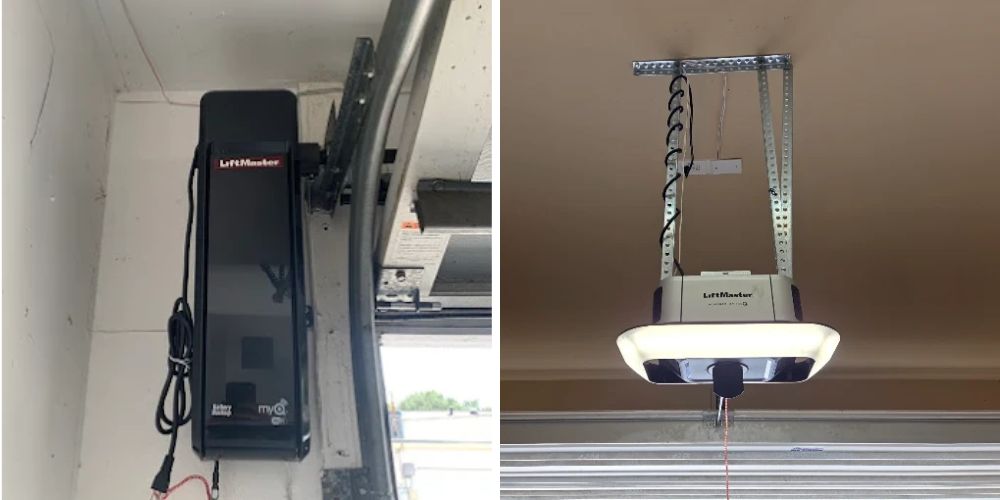
If you’re considering an upgrade, a smart garage door opener or belt drive garage door opener can provide quieter operation along with modern connected features. Newer models also support keypad access, and programming a LiftMaster garage door keypad is straightforward once the new unit is installed.
10. Your Garage Door Opener Is No Longer Reliable
Sometimes there isn’t one major failure. Instead, the opener simply becomes less dependable over time.
You may notice that it:
- Works one day but not the next
- Requires multiple button presses
- Opens inconsistently
- Stops unexpectedly
- Behaves differently every few weeks
Intermittent issues are often the most frustrating because they’re difficult to diagnose and may involve multiple aging components.
If reliability continues to decline despite repairs and maintenance, it’s usually a strong indication that it’s time to replace your garage door opener.
Is the Opener Really the Problem?
Before replacing an opener, it’s important to make sure another garage door component isn’t causing the symptoms.
Several issues can place additional strain on the opener even when the motor itself is still functioning properly.
These include:
- Broken or worn garage door spring problems
- Damaged or frayed garage door cables
- Worn rollers
- Poor lubrication
- An unbalanced garage door
- Misaligned tracks
Because the opener depends on the rest of the system operating correctly, a professional inspection can often determine whether a repair will solve the problem or whether garage door opener replacement is truly the better option.
Should You Repair or Replace First?
Not every garage door opener problem requires replacement. Issues such as misaligned safety sensors, worn remote batteries, travel limit adjustments, or loose hardware can often be repaired quickly. However, if the opener is over 10 years old and multiple components have begun failing, replacement is usually the more reliable and cost-effective solution.
Repair vs. Replace Garage Door Opener
| Situation | Repair | Replace |
| Remote or keypad problems | ✓ | — |
| Safety sensor alignment | ✓ | — |
| Travel limit adjustments | ✓ | — |
| Minor electrical repairs | ✓ | — |
| Opener over 10–15 years old | — | ✓ |
| Frequent breakdowns | — | ✓ |
| Motor failure | — | ✓ |
| Stripped internal gears on an older unit | — | ✓ |
| Outdated safety technology | — | ✓ |
| Desire for smart features and quieter operation | — | ✓ |
In general, repairs make sense when the problem is isolated, and the opener is relatively new. However, if the unit is nearing the end of its expected lifespan or multiple components have begun failing, garage door opener replacement typically offers better long-term value, improved reliability, and access to today’s advanced safety and convenience features.
How Much Does Garage Door Opener Replacement Cost?
Professional garage door opener replacement in San Antonio typically costs between $200 and $600, including parts and labor. The final price depends on the drive type, motor power, smart features, and whether additional components such as springs, cables, or sensors need attention during installation.
Basic chain drive openers sit at the lower end of the range, while belt drive, direct drive, and smart-enabled models cost more upfront but offer quieter operation and better long-term reliability. If the existing rail, wiring, or wall controls are compatible with the new unit, installation costs are generally lower.
As a general guideline, if repair costs are approaching half the price of a new opener, replacement is usually the better long-term investment.
How to Choose the Right Replacement Garage Door Opener
If you’ve decided it’s time to replace your garage door opener, choosing the right model is just as important as replacing it at the right time. When comparing options, consider the drive type, motor power, noise level, and smart features. The best opener depends on your garage door’s size, your home’s layout, and how you use your garage every day.
| Consideration | Why It Matters |
| Drive Type | Affects noise level, maintenance requirements, and overall performance. |
| Motor Power | Heavier garage doors require more lifting power than lightweight single doors. |
| Noise Level | Belt drive and direct drive openers operate more quietly than chain drive systems. |
| Smart Features | Wi-Fi connectivity, smartphone control, battery backup, and enhanced security improve convenience. |
If quiet operation is important, a belt drive garage door opener is a popular choice for attached garages because it produces less vibration than most other drive systems.
For most San Antonio homeowners, LiftMaster and Chamberlain are among the most reliable brands for residential replacement, offering a wide range of models from basic chain drive units to fully connected smart openers with battery backup and myQ smartphone control.
Drive Type
The drive system has a direct impact on how loudly the opener operates, how much maintenance it requires, and how smoothly it lifts the garage door.
| Drive Type | Noise Level | Best For |
| Belt Drive | Very Quiet | Attached garages and homes with bedrooms above the garage |
| Chain Drive | Loudest | Detached garages and budget-conscious homeowners |
| Direct Drive | Extremely Quiet | Homes where minimal vibration is a priority |
| Screw Drive | Moderate | Homeowners looking for fewer moving parts |
For most homeowners, choosing the right drive system comes down to balancing noise, performance, maintenance requirements, and budget. A quieter system may cost more initially but can provide greater comfort and smoother day-to-day operation, particularly in homes with living spaces next to or above the garage.
Motor Power
The replacement opener should have enough lifting power for your garage door’s size and weight. Heavier insulated or oversized doors generally require more powerful openers than standard single garage doors. Choosing an opener with the appropriate motor capacity helps reduce unnecessary strain and supports reliable long-term performance.
Smart Features
Many homeowners replace an older opener to take advantage of newer technology. Modern garage door openers may include features such as Wi-Fi connectivity, smartphone control, battery backup, and rolling-code security. These upgrades improve convenience, enhance security, and provide greater peace of mind during everyday use.
What to Expect During Garage Door Opener Replacement
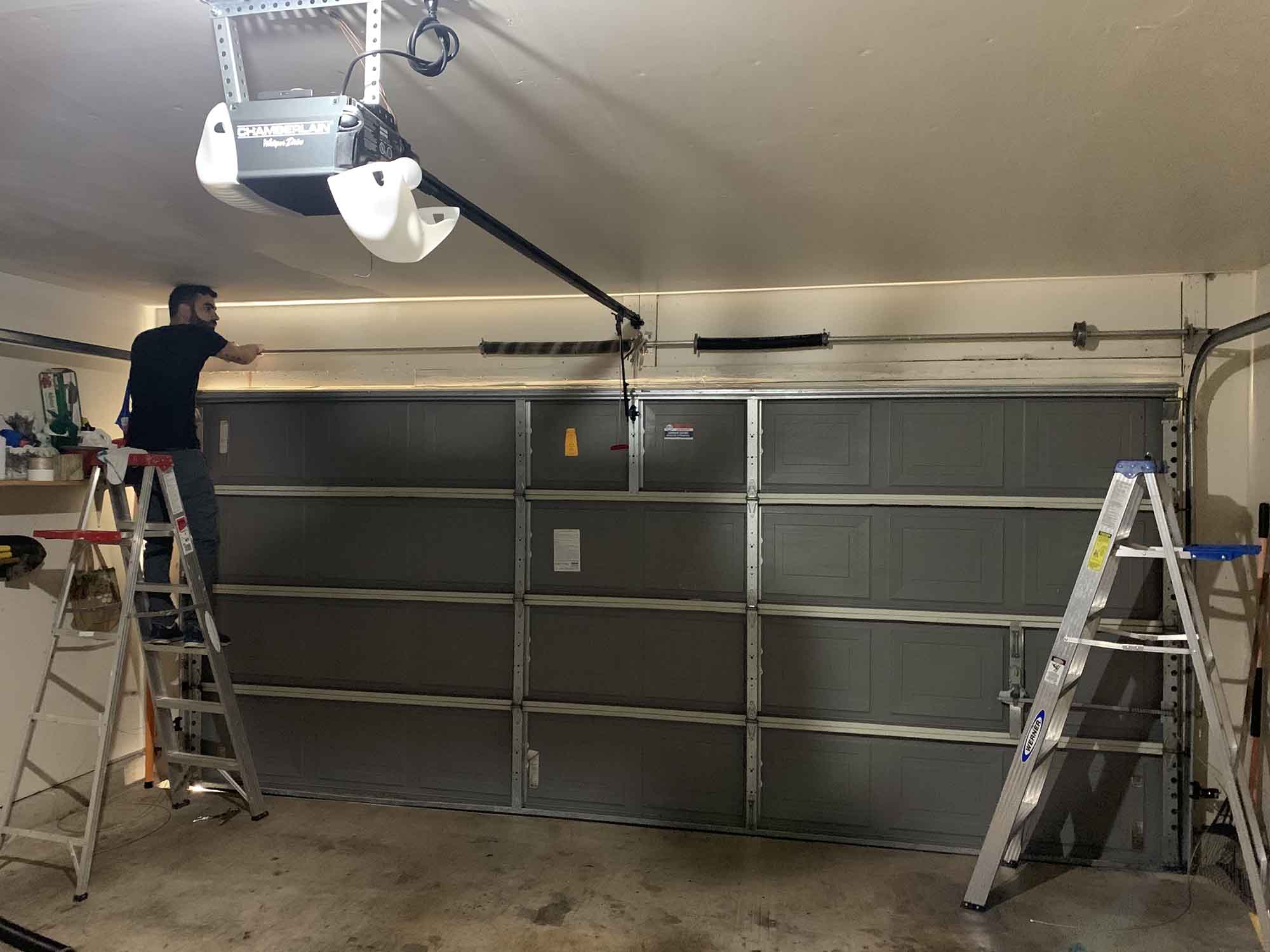
Replacing a garage door opener involves more than swapping out the motor. A professional installation helps ensure the entire system operates safely and efficiently.
A typical replacement includes:
- Removing the existing opener
- Installing the new rail and motor assembly
- Connecting wall controls and remotes
- Programming travel limits
- Testing safety sensors
- Checking door balance
- Verifying smooth operation
If worn springs, rollers, or cables are discovered during the installation, they may also need attention to prevent unnecessary strain on the new opener.
While some homeowners consider handling the installation themselves, incorrect setup can affect sensor alignment, travel limits, and the automatic reversal system. A professional installation ensures the entire system is calibrated correctly from the start and operates safely from day one. If you are weighing up your options, a detailed breakdown of whether it is safe to install a garage door opener yourself can help you decide before committing to either approach.
Should You Replace the Motor or the Entire Opener?
Some homeowners wonder whether they can simply replace the garage door opener motor instead of installing a completely new unit.
While replacing the motor is possible in certain situations, it is rarely the most practical option for older systems. On many older models, replacement motors and compatible parts can be difficult to source, making complete garage door opener replacement the more practical long-term solution.
Replacing the entire opener is usually recommended when:
- The opener is more than 10 to 15 years old.
- Multiple internal components are worn.
- Replacement parts are difficult to find.
- The unit lacks modern safety features.
- You want quieter operation or smart-home compatibility.
A complete garage door opener replacement typically provides greater long-term reliability than replacing only one aging component.
Conclusion
Knowing when to replace your garage door opener can help you avoid unexpected breakdowns and improve the safety and reliability of your garage door system. Warning signs such as slower operation, grinding noises, inconsistent performance, overheating, and frequent repairs often indicate that the opener has reached the end of its useful life.
Before replacing the unit, it is important to rule out problems with springs, cables, rollers, or door balance, as these components can create symptoms that resemble opener failure. Once those issues have been addressed, upgrading to a new garage door opener can provide quieter operation, improved security, modern smart features, and greater peace of mind.
If you are in San Antonio and your opener is showing any of these warning signs, Mojo Garage Door Service can inspect the full system and recommend whether repair or replacement is the right solution. Call (210) 997-7777 for same-day service across San Antonio and surrounding areas.
If your opener is over a decade old and continues to experience recurring problems, garage door repair San Antonio professionals can inspect the full system and determine whether repair or full replacement is the right solution for your home.
FAQs
When should I replace my garage door opener?
Most homeowners should consider replacing their garage door opener when it is between 10 and 15 years old, especially if it struggles to lift the door, requires frequent repairs, or lacks modern safety features.
Can I replace just the garage door opener motor?
Sometimes, but it depends on the age and condition of the opener. If the unit is older or multiple internal components are worn, replacing the entire opener usually offers better reliability and value than replacing only the motor.
What is the average garage door opener lifespan?
The average garage door opener lifespan is 10 to 15 years. Regular maintenance, proper door balance, and normal daily use can help extend its service life.
Is it worth upgrading to a smart garage door opener?
Yes. A smart garage door opener allows you to monitor and control your garage door from your smartphone, receive real-time alerts, and integrate the opener with compatible smart-home systems. It also includes many of the latest security and convenience features.
What are the signs of an old garage door opener?
An old garage door opener may respond slowly, make unusual noises, struggle to lift the door, stop unexpectedly, require frequent repairs, or lack important safety and security features found in newer models.
Can a broken spring make it seem like the opener has failed?
Yes. Garage door springs support most of the door’s weight. When a spring breaks, the opener must lift much more weight than it was designed to handle, making it appear as though the opener itself has failed.
What’s the difference between repairing and replacing a garage door opener?
Repairs are usually appropriate for newer openers with isolated issues such as sensor problems or remote malfunctions. Replacement is often the better choice for aging units with recurring breakdowns, motor failure, outdated technology, or worn internal components.