Garage door springs handle the lifting and balancing of your garage door, taking most of the weight so the system can operate smoothly. When they wear out or break, homeowners often notice heavy lifting, loud noises, uneven movement, or garage door opener problems.
In most cases, homeowners assume the opener is doing the heavy lifting, but the springs are actually supporting most of the door’s weight. As springs weaken or fail, the entire garage door system becomes harder to operate and noticeably less safe.
This guide explains how garage door springs work, the difference between torsion and extension springs, common warning signs, average lifespan, and when repair or replacement may become necessary.
Quick Answer: What Do Garage Door Springs Do?
Garage door springs are what keep your door balanced and easy to open. They carry most of the lifting force while the opener simply controls movement. The springs carry most of the lifting force while the opener controls movement rather than lifting the full weight of the door itself. When springs weaken or break, the door becomes heavy, the opener struggles, and the system can become unsafe to operate.
What Is a Garage Door Spring Mechanism?
A garage door spring mechanism is the system responsible for balancing the weight of the garage door during opening and closing.
Most residential garage doors weigh between 130 and 400 pounds, depending on the size and material. Without springs, lifting that weight manually or with an opener would be extremely difficult.
Over time, the springs store tension when the door closes and release it to help lift the door when it opens. This is why a properly balanced garage door can often be lifted with one hand.
The opener mainly guides movement while the springs provide the lifting assistance.
When the spring system starts failing, homeowners often notice symptoms like:
- The garage door suddenly feels heavier
- The opener hums but struggles to lift
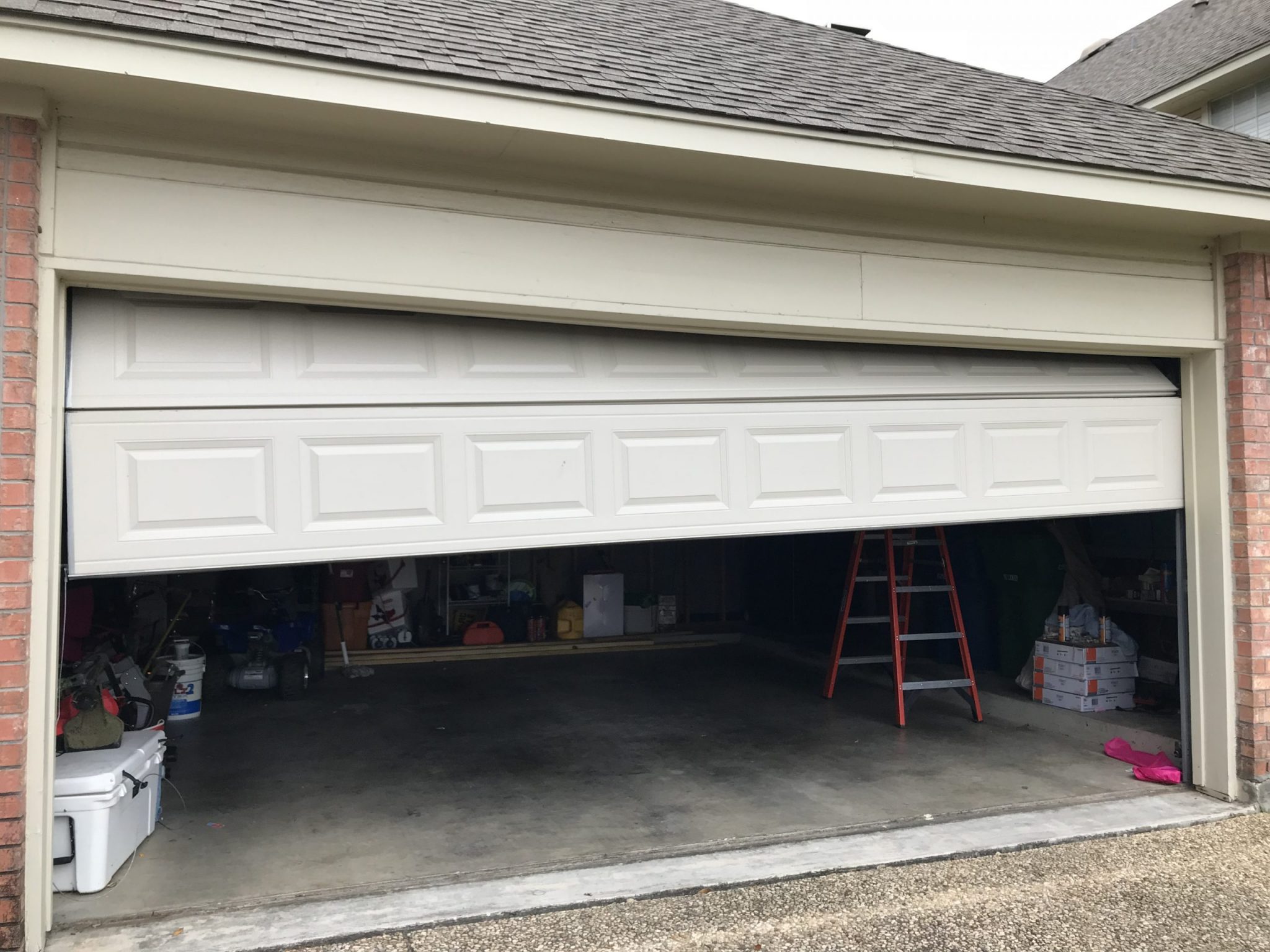
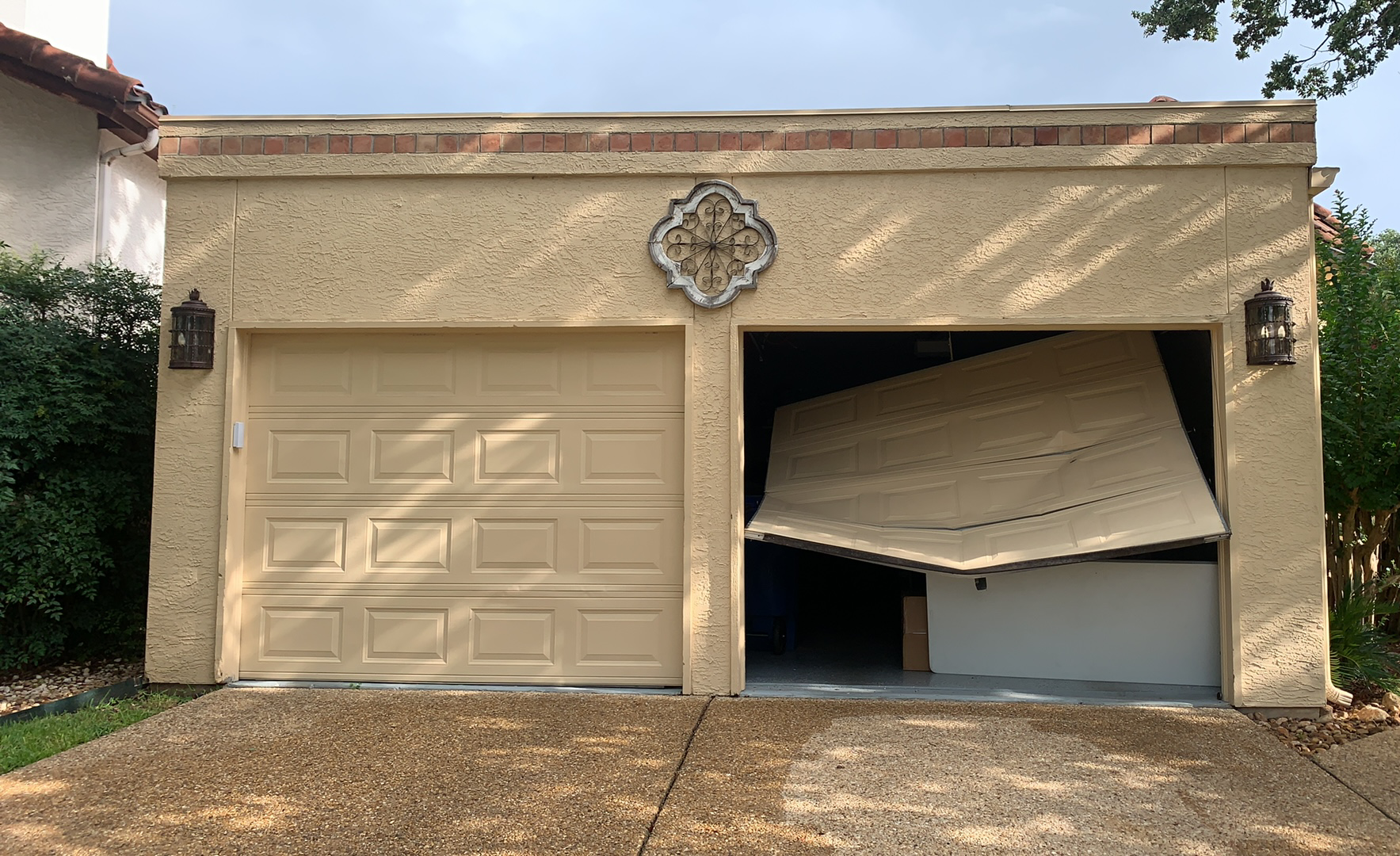
- The door opens crookedly
- The system shakes during operation
- A loud snapping sound comes from the garage
In most cases, these symptoms point to weakened tension or a spring that has already failed.
Garage door springs also operate under very high tension. That is what allows them to support the door’s weight effectively, but it is also why spring repairs should always be handled carefully.
Types of Garage Door Springs
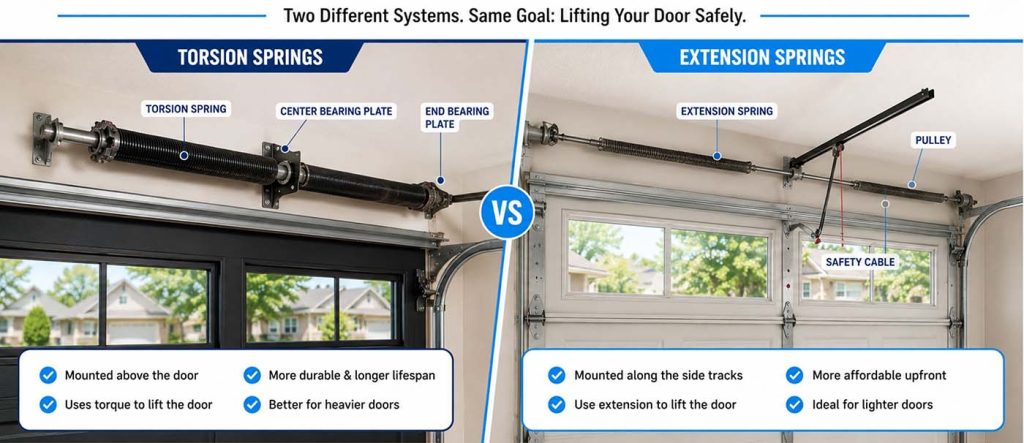
There are two main types of garage door springs used in residential systems: torsion springs and extension springs.
Torsion springs are typically located above the garage door opening, while extension springs run along the side tracks on both sides.
Each system works differently and has its own advantages, lifespan expectations, and maintenance requirements.
Torsion Springs
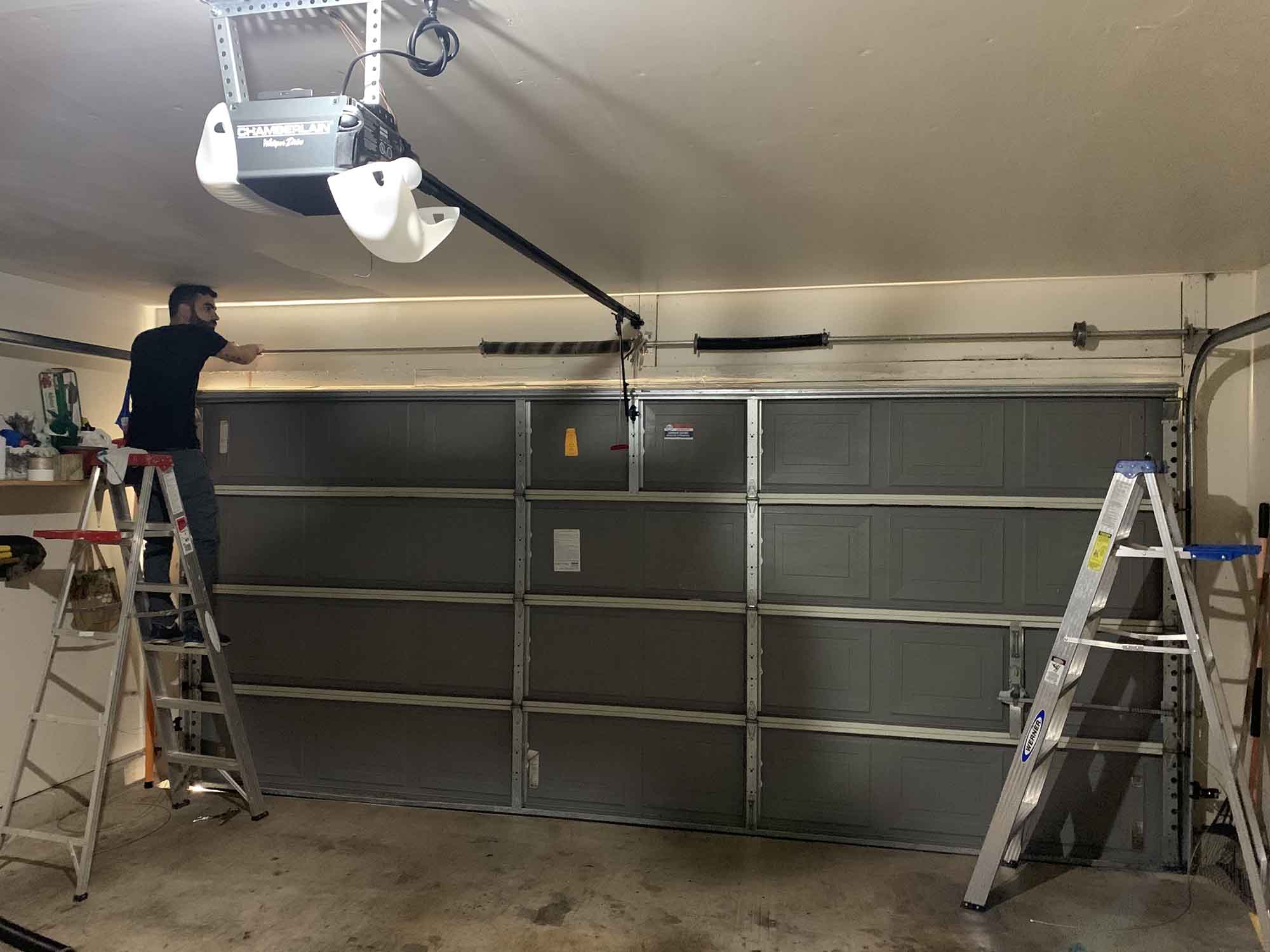
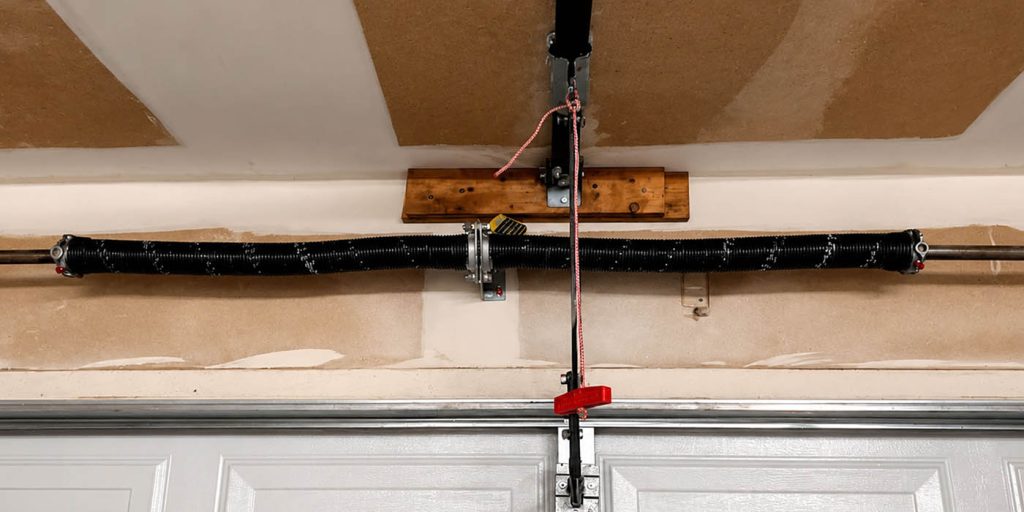
Torsion springs are mounted horizontally above the garage door opening on a metal shaft. These springs twist to generate tension as the door moves.
Most modern garage doors use torsion spring systems because they provide smoother operation and better long-term durability.
Why Torsion Springs Are Popular
Torsion springs distribute weight more evenly across the door, which improves balance and reduces stress on other moving parts. This often helps garage door openers last longer as well.
- Homeowners usually notice:
- Quieter operation
- Smoother opening and closing
- Less shaking during movement
- Better long-term reliability
Average Torsion Spring Lifespan
Most torsion springs last between 15,000 and 20,000 cycles. One cycle equals one complete opening and closing of the garage door.
For many households, this translates to roughly 7 to 12 years, depending on daily usage.
Common Torsion Spring Problems
Over time, torsion springs may develop:
- Rust buildup
- Visible separation gaps
- Weak lifting power
- Squeaking noises
- Uneven door balance
A visible gap in the spring is one of the clearest signs of a broken torsion spring.
Extension Springs
Extension springs are mounted along the horizontal tracks on both sides of the garage door. Instead of twisting, these springs stretch and contract during operation.
Extension spring systems are more common on older garage doors and lower-cost installations.
Advantages of Extension Springs
Some homeowners choose extension systems because:
- They are typically less expensive
- They work well on lighter garage doors
- The initial installation cost is lower
Drawbacks of Extension Springs
Compared to torsion systems, extension springs:
- Wear out faster
- Create more noise
- Require more maintenance
- Provide less balanced movement
Extension springs can also become dangerous if they snap without properly installed safety cables.
Average Extension Spring Lifespan
Most extension springs last around 10,000 cycles, which is generally shorter than torsion spring systems.
Torsion vs Extension Springs
| Feature | Torsion Springs | Extension Springs |
| Lifespan | 15,000 to 20,000 cycles | Around 10,000 cycles |
| Operation | Smooth and controlled | Less balanced |
| Noise Level | Quieter | Noisier |
| Safety | Safer overall | Higher snap risk |
| Maintenance | Lower maintenance | More frequent maintenance |
| Durability | Longer lasting | Wears faster |
| Best For | Modern residential garage doors | Older or lightweight garage doors |
For most modern homes, torsion springs are considered the better long-term option because they improve performance, reduce strain on the opener, and provide safer operation.
How Long Do Garage Door Springs Last?
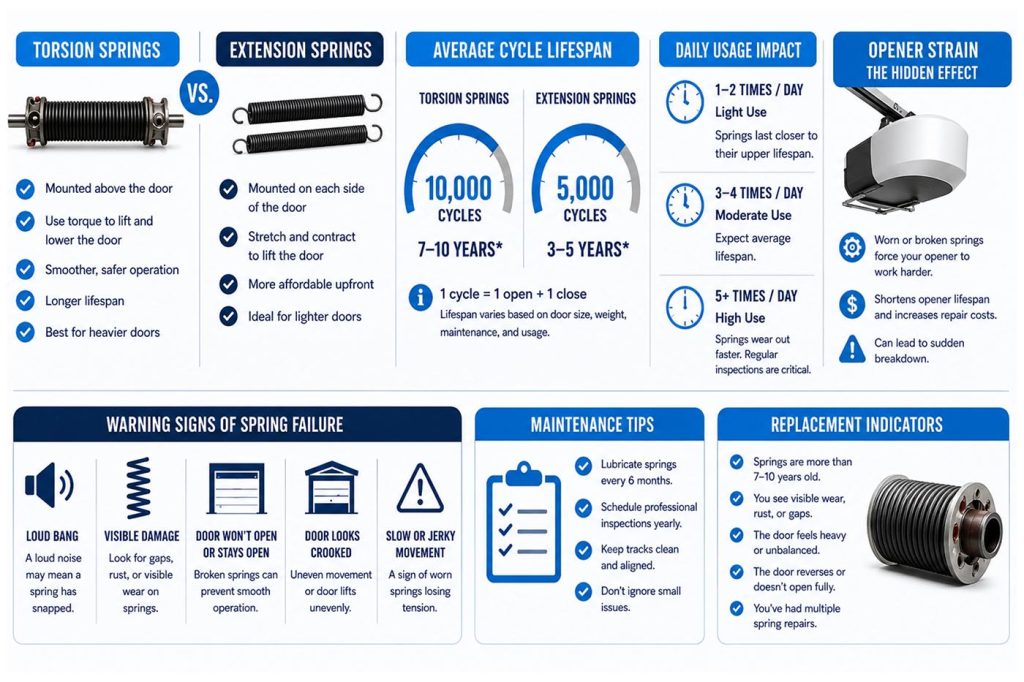
Garage door spring lifespan depends on usage, maintenance, climate conditions, and the type of spring system installed.
On average:
- Torsion springs last about 15,000 to 20,000 cycles
- Extension springs last about 10,000 cycles
In many homes where the garage is the main entry point, the door may cycle far more often than expected, which speeds up spring wear. If the door opens and closes six to eight times per day, spring wear can happen faster than many homeowners realize.
Some homeowners choose high-cycle torsion springs designed for heavier daily use. These upgraded springs can last significantly longer than standard spring systems.
Factors That Affect Garage Door Spring Lifespan
Daily Usage
The more often the garage door operates, the faster the springs wear out.
Large families, multiple drivers, and households using the garage as the main entrance typically experience shorter spring life.
Climate and Humidity
Humidity and temperature fluctuations can increase rust buildup and weaken spring metal over time.
This is especially important in areas with changing weather conditions or high moisture levels.
Lack of Maintenance
Springs need occasional lubrication and inspection to reduce friction and prevent premature wear.
Ignoring maintenance often shortens the life of both the springs and the opener.
Heavy Garage Doors
Large insulated doors and wood garage doors place more strain on springs than lightweight aluminum doors.
Poor Door Balance
An unbalanced garage door forces springs and openers to work harder during every cycle.
Many homeowners do not notice balance problems until the opener begins struggling or the door becomes noticeably heavy.
Signs Your Garage Door Springs Are Wearing Out
Garage door springs rarely fail without warning. In most cases, homeowners notice performance changes before the springs fully break.
Recognizing these signs early can help prevent emergency breakdowns and additional damage to the opener system.
Common Signs of Worn Garage Door Springs
Heavy Manual Lifting
A properly balanced garage door should feel relatively light. If your garage door feels heavy or if lifting the door manually suddenly becomes difficult, the springs may be failing.
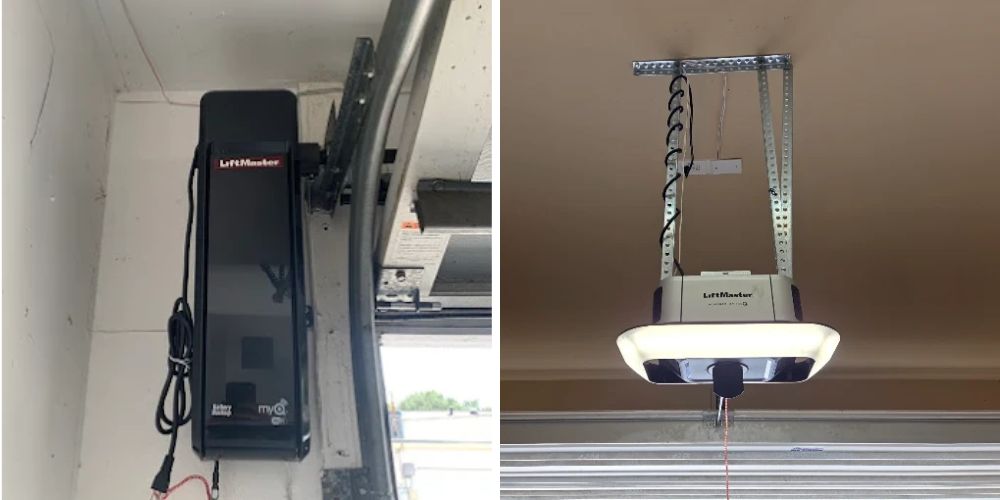
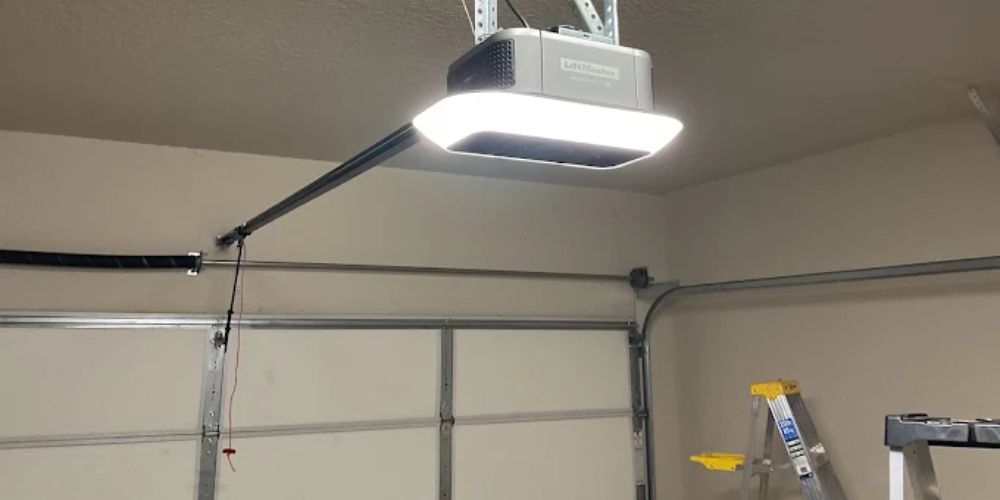
Garage Door Opener Struggling
Often, the first sign homeowners notice is opener strain, even though the root cause is usually the springs.
The opener may:
- Shake during operation
- Stop midway
- Make humming noises
- Lift more slowly than usual
Uneven Door Movement
A crooked or jerky garage door usually signals balance problems or uneven spring tension.
Slow Garage Door Movement
If the garage door opens more slowly than normal, the springs may not be supporting the door properly.
Loud Squeaking or Grinding Noises
Noisy springs often indicate rust, friction, or weakening tension.
Visible Gap in the Torsion Spring
A separated torsion spring is a clear sign that the spring has snapped.
Garage Door Slams Shut
Weak springs can no longer support the door’s weight properly, causing the door to close too quickly.
Ignoring these symptoms can eventually lead to opener damage and more expensive repairs.
How Do You Know If Garage Door Springs Need Replacement?
Garage door springs may need replacement if the door feels unusually heavy, opens unevenly, makes loud noises, or causes the opener to struggle. Visible rust, stretched springs, or a gap in a torsion spring are also common signs that the system is reaching the end of its lifespan.
Can a Broken Spring Damage the Garage Door Opener?
Yes. A broken garage door spring can absolutely damage the opener if the system continues operating.
Continuing to operate the opener after a spring break can quickly damage the motor and internal components.
The garage door opener depends on balanced spring tension to move the garage door safely. When a spring breaks, the opener suddenly has to pull far more weight than it was designed to handle.
This extra strain affects:
- The opener motor
- Internal gears
- Belt or chain systems
- Travel components
- Mounting brackets
One of the most common homeowner mistakes is continuing to use the opener after the spring breaks, which often leads to situations like a garage door opener not working properly.
Even if the opener still lifts the door temporarily, the motor may overheat or wear out much faster than normal.
Signs the Opener Is Being Affected by Bad Springs
- Grinding noises
- Opener shaking
- Slow lifting speed
- Door stopping halfway
- Motor overheating
- Burning smell near the opener
- Chain or belt movement issues
If your garage door suddenly becomes very heavy or difficult to open, stop using the opener until the spring system is inspected professionally.
Why Is My Garage Door Opener Struggling?
A struggling garage door opener is often a symptom of an underlying balance or spring problem rather than an opener failure itself.
In many cases, the springs are the actual problem.
When springs weaken, the opener must work harder to compensate for the missing lifting support. Over time, this can create excessive wear on the opener motor and moving parts.
Common Reasons an Opener Struggles
Weak or Worn Springs
Weak springs reduce lifting assistance and increase door weight during operation.
Unbalanced Garage Door
An uneven garage door creates additional resistance for the opener.
Damaged Tracks
Bent or obstructed tracks increase friction and slow movement.
Worn Rollers
Old rollers create drag and make the system less efficient.
Incorrect Force Settings
Improper opener force adjustments can place unnecessary strain on the system.
Homeowners often assume they need a new opener when the real issue is worn springs, especially when the system shows slow lifting, strain, or inconsistent movement that usually leads people to search for garage door opener troubleshooting solutions.
A professional inspection can usually determine whether the opener, springs, or both are contributing to the problem.
Common Garage Door Spring Problems
Garage door springs experience constant tension and movement, which means wear and tear are unavoidable over time.
Understanding the most common spring problems helps homeowners recognize warning signs earlier, especially when the issue starts affecting overall garage door repair needs.
Broken Torsion Spring
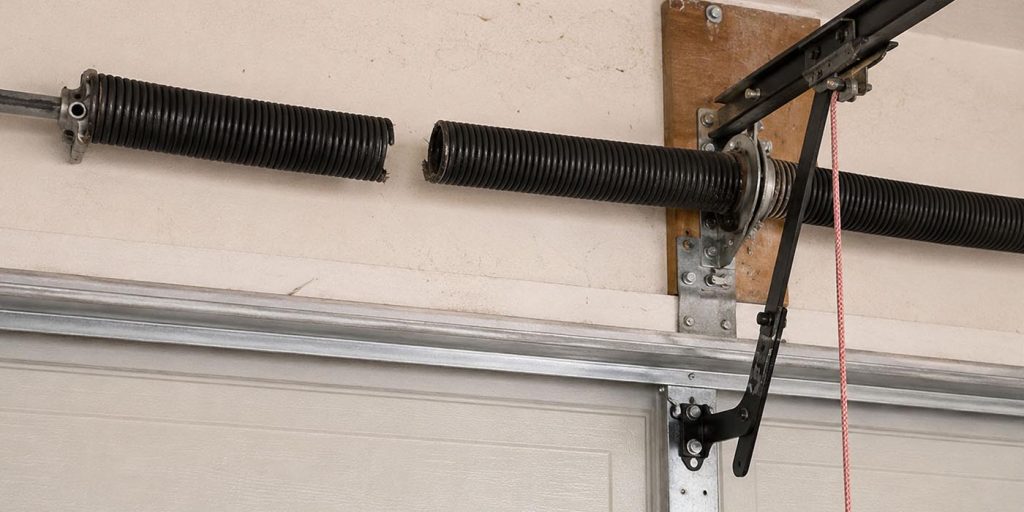
Broken torsion springs are one of the most common garage door failures.
Common Causes
- Cycle exhaustion
- Rust buildup
- Age-related wear
- Poor maintenance
Symptoms
- Loud snapping noise
- The garage door may not open
- Visible spring separation
- Heavy manual lifting
In many cases, the garage door becomes extremely difficult to operate or may not close properly, which is when homeowners look for solutions related to garage door won’t close issues.
Risks
- Opener damage
- Door imbalance
- Safety hazards
In many cases, the issue becomes obvious when the opener stops lifting the door or the garage suddenly feels too heavy to raise manually.
Professional replacement is usually necessary once a torsion spring breaks.
Rusted Springs
Rust increases friction and weakens spring metal.
Signs of Rust Problems
- Squeaking noises
- Corrosion buildup
- Rough movement
- Reduced flexibility
Regular lubrication can help reduce rust-related wear.
Loose Spring Tension
Springs gradually lose tension as they age.
Common Symptoms
- Uneven movement
- Slower opening
- The garage door feels heavy
- The door does not stay balanced
Loose spring tension often requires professional adjustment.
Noisy Springs
Garage door springs naturally make some sound during operation, but excessive noise usually indicates wear or poor lubrication.
Common Noises
- Squeaking
- Grinding
- Popping
- Vibrating sounds
Noise problems are often early warning signs that maintenance is needed.
Uneven Door Movement
A garage door that opens crooked or jerks during movement often has a spring balance problem.
This issue can also increase wear on:
- Tracks
- Rollers
- Hinges
- Opener components
Spring Snapped Suddenly
Many homeowners describe hearing a loud bang from the garage when a spring breaks.
This sound happens because the spring releases stored tension instantly.
Once a spring snaps:
- The door may not open
- The opener may stop working
- The garage door can become unsafe to operate
When Should Garage Door Springs Be Replaced?
Garage door springs should be replaced when they lose lifting strength, develop visible damage, or reach the end of their expected cycle life.
Common Signs Replacement Is Needed
- Repeated breakdowns
- Visible rust or cracking
- Heavy garage door
- Opener strain
- Uneven movement
- Excessive noise
- Aging spring system
In dual-spring systems, replacing both springs together is often recommended.
This helps maintain balanced performance and prevents uneven wear between old and new components.
Replacing only one spring may create additional stress on the opener and the remaining spring.
Can You Replace Garage Door Springs Yourself?
Garage door spring replacement is not considered a safe DIY project for most homeowners.
These springs operate under extremely high tension and can cause serious injuries if handled incorrectly.
DIY Spring Replacement Risks
- Sudden spring release
- Serious hand or arm injuries
- Improper balancing
- Door collapse
- Opener damage
- Incorrect installation
Even experienced DIY users tend to underestimate how much tension is stored in garage door spring systems.
Professional technicians use specialized tools and balancing procedures to ensure safe operation.
For most situations, professional garage door spring repair is the safest option, especially when dealing with high-tension systems where improper handling can quickly become dangerous, which is why most homeowners avoid DIY garage door spring replacement.
How to Extend the Life of Garage Door Springs
Regular maintenance plays a big role in extending the lifespan of garage door springs and preventing unexpected failures.
Lubricate Springs Regularly
Lubrication reduces friction and helps prevent rust buildup.
Using a garage door lubricant every few months can improve overall system performance.
Schedule Annual Inspections
Professional garage door maintenance inspections help identify worn components before major problems develop.
Early detection often prevents emergency repairs.
Test Door Balance
An unbalanced garage door places extra strain on springs and openers.
If the door feels unusually heavy or uneven, the balance should be inspected.
Reduce Unnecessary Cycles
Repeated opening and closing shorten the spring’s lifespan over time.
Reducing unnecessary operations can help preserve spring tension.
Address Rust Quickly
Moisture and corrosion weaken spring metal and increase the likelihood of sudden failure.
Keeping the garage dry and maintaining lubrication helps reduce rust-related wear.
Garage Door Spring Repair vs Replacement
Not every spring issue requires immediate replacement.
Some minor problems can be corrected with professional garage door spring repair, adjustments, or maintenance.
When Repair May Be Possible
- Minor tension adjustments
- Lubrication issues
- Early balance correction
- Loose hardware
When Replacement Is Necessary
- Broken springs
- Severe rust
- Stretched springs
- Cycle exhaustion
- Repeated failures
A professional inspection can determine whether repair or replacement is needed, especially in cases where full garage door spring replacement is required.
Conclusion
Garage door springs are essential to the safety, balance, and smooth operation of your garage door system. When springs begin wearing out, homeowners often notice heavy lifting, loud noises, uneven movement, or garage door opener problems before complete failure occurs.
Recognizing these warning signs early and addressing spring issues before they worsen can help prevent unexpected breakdowns, opener strain, and costly repairs.
If your garage door feels unusually heavy, noisy, or unstable, professional inspection and proper spring balancing can help restore safe operation and prevent additional system damage.
For homeowners needing spring repair, replacement, or garage door maintenance, Mojo Garage Door Service provides professional garage door solutions to help keep systems operating safely and reliably.
FAQs
How do I know if my garage door spring is broken?
Common signs include a loud snapping sound, a heavy garage door, uneven movement, visible spring separation, or the opener struggling to lift the door.
Can I open my garage door with a broken spring?
In some cases, the door can still be opened manually, but it may be extremely heavy and unsafe. Professional assistance is usually recommended.
How much does garage door spring replacement cost?
The cost depends on the spring type, door size, and system configuration. Torsion spring systems generally cost more than extension spring systems.
What is better: torsion or extension springs?
Torsion springs are typically safer, quieter, smoother, and longer-lasting than extension springs.
Can bad springs damage garage door openers?
Yes. Weak or broken springs place excessive strain on the opener motor and moving components, which can shorten the opener’s lifespan.
How often should garage door springs be replaced?
Most springs last between 5 and 12 years, depending on usage frequency, maintenance, and environmental conditions.
Why is my garage door suddenly heavy?
A heavy garage door usually indicates weak or broken springs that are no longer supporting the door properly.
Are garage door springs dangerous?
Yes. Garage door springs operate under high tension and can cause serious injury if handled improperly.