
A garage door that won’t close is one of the most common problems homeowners face. In many cases, the issue is caused by misaligned safety sensors, blocked tracks, incorrect opener settings, or worn garage door components. While some problems are quick and easy to fix, others require professional attention to prevent further damage or safety risks.
This guide explains the most common reasons a garage door won’t close, how to troubleshoot each issue safely, and when it’s time to call a professional. By following these steps, you can often identify the cause, restore normal operation, and keep your garage door working safely and reliably.
Why Won’t My Garage Door Close?
A garage door that won’t close is most commonly caused by blocked or misaligned safety sensors, incorrect travel limit settings, Lock Mode being enabled, damaged springs, worn cables, or track obstructions. Start by checking the safety sensors and removing any obstructions. If the problem involves broken springs, cables, or the opener, stop using the door and contact a professional.
Signs Your Garage Door Has a Closing Problem
Before troubleshooting your garage door, it helps to recognize the warning signs that indicate something isn’t working correctly.
While some issues are minor and easy to fix, others may point to worn or damaged components that require professional attention.
Here are the most common signs that something is preventing your garage door from closing properly:
- The garage door starts closing and then immediately reverses.
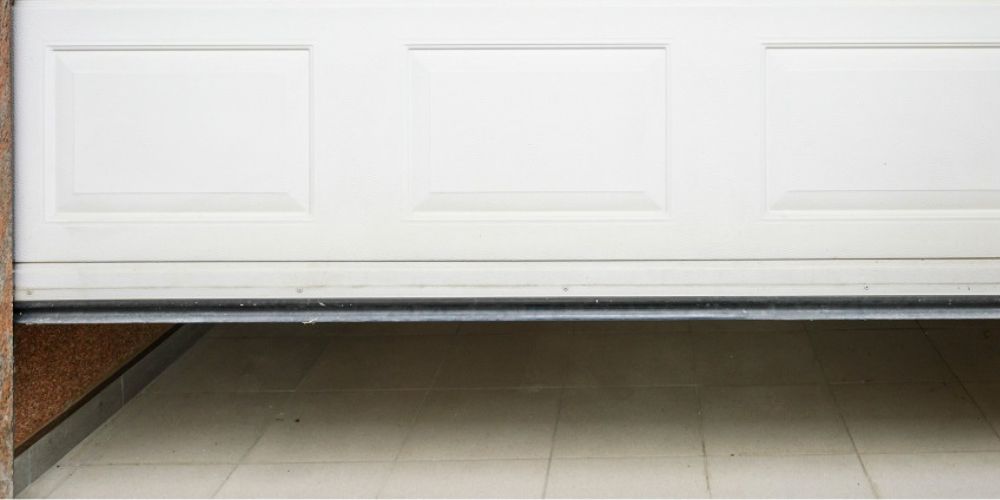
- The door won’t close all the way or stop before reaching the floor.
- The opener lights blink when you try to close the door.
- One or both safety sensor lights are blinking or off.
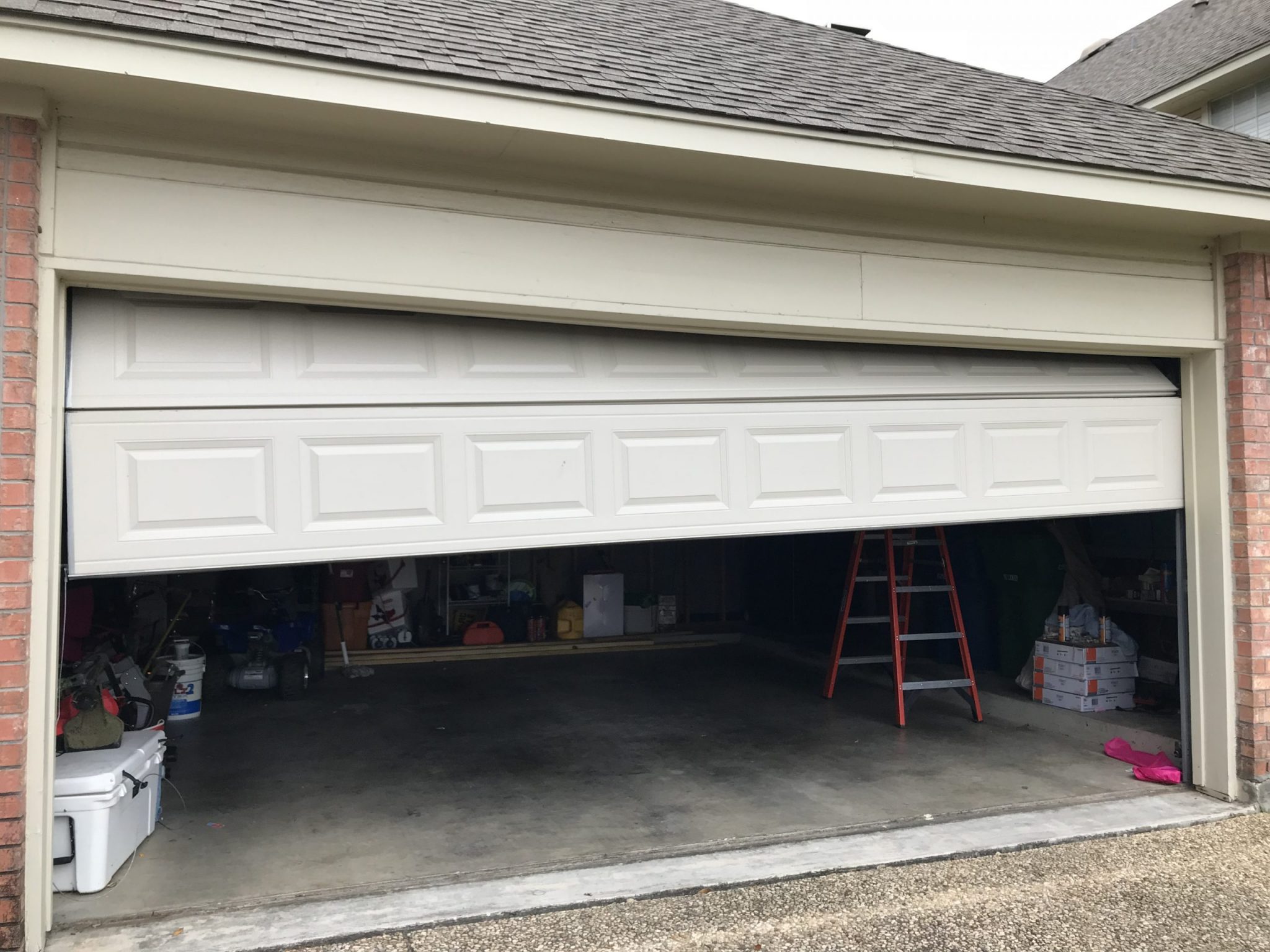
- The door closes unevenly or appears crooked.
- The remote or keypad works intermittently.
- You hear grinding, squeaking, or unusual noises while the door is closing.
- The garage door moves slowly, jerks, or gets stuck halfway.
If you notice any of these symptoms, avoid forcing the garage door to operate. Identifying the cause early can help prevent additional damage and reduce the risk of costly repairs.
Why Your Garage Door Won’t Close: Common Causes
1. Misaligned or Blocked Safety Sensors
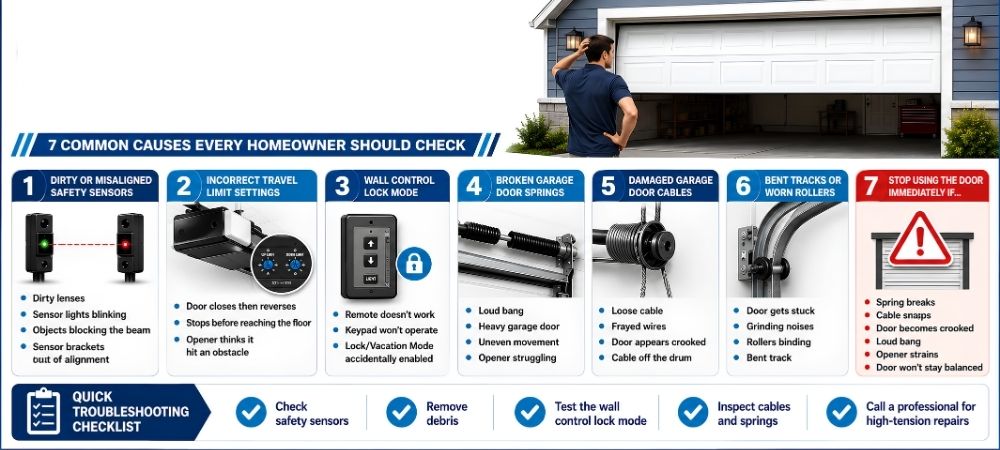
One of the most common reasons a garage door won’t close is a problem with the safety sensors. These photo-eye sensors are located near the bottom of both sides of the garage door and prevent the door from closing if they detect an object in the way.
Even a small amount of dirt, a spider web, or slightly misaligned sensors can interrupt the beam and stop the door from closing.
Start by checking for any objects blocking the sensors. Clean both sensor lenses with a soft, dry cloth to remove dust or debris. Next, look at the indicator lights on each sensor. If one light is blinking or off, the sensors are likely out of alignment. Gently adjust them until both indicator lights remain solid.
In afternoon sunlight can shine directly into the receiving sensor and overwhelm the beam, causing the door to refuse to close only during certain times of day. If your garage door closes fine in the morning but not in the afternoon, direct sunlight is likely the cause rather than a faulty sensor. Placing a small cardboard visor over the receiving sensor or slightly adjusting its angle downward usually resolves this without any replacement needed.
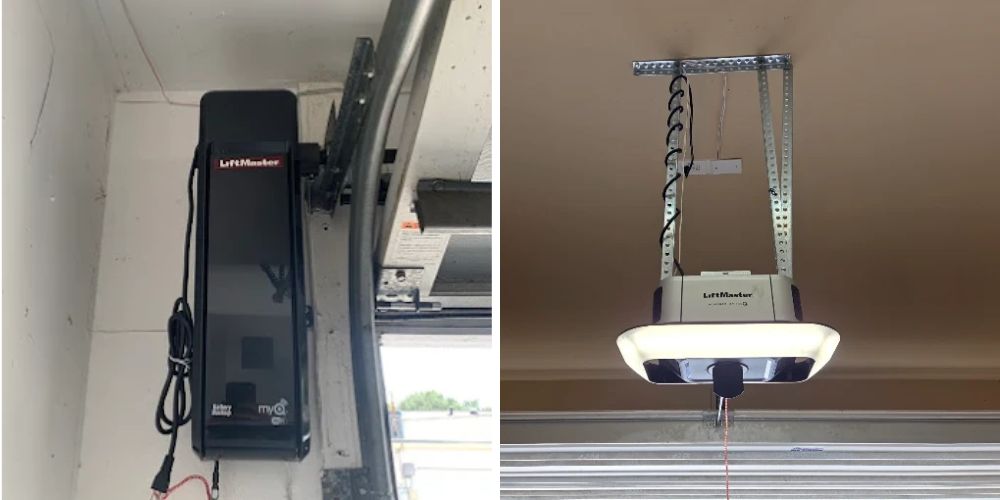
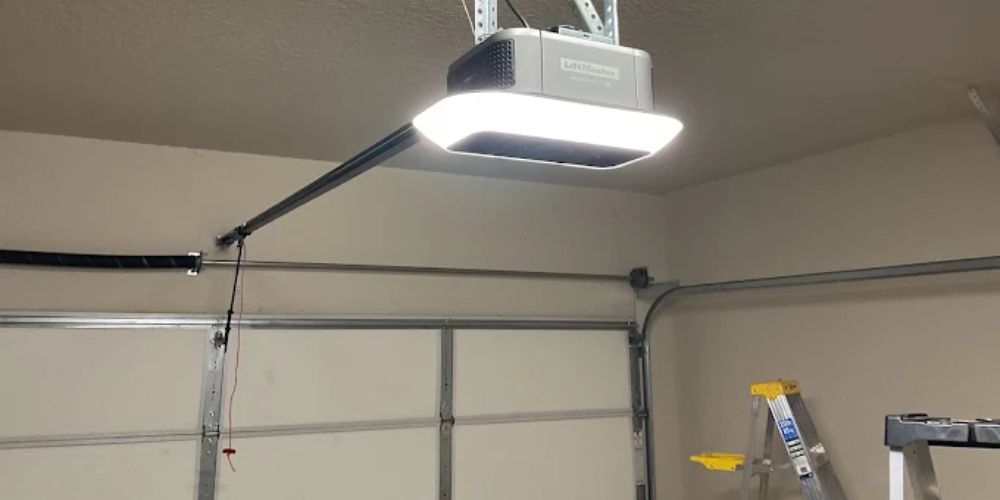
One thing most homeowners miss is the blinking light on the opener motor unit itself. If your opener light blinks 10 times after a failed close attempt, this is not a random glitch. It is a built-in error code telling you the safety sensors are the problem.
LiftMaster and Chamberlain openers both use 10 blinks specifically to flag sensor faults. If you count carefully, you may notice two separate blink patterns. One blink up followed by four blinks down means the sensors are misaligned. One blink up followed by two blinks down means the sensor wiring is shorted or reversed. Counting the blinks takes five seconds and tells you exactly what you are dealing with before you touch anything.
Once the sensors are clean and properly aligned, test the garage door again. If it still won’t close, continue with the next troubleshooting step.
2. Check the Wall Control Lock Mode
If your garage door remote and keypad suddenly stop working, the wall control may be in Lock Mode or Vacation Mode. This feature disables remote controls and wireless keypads to prevent unauthorized access while you’re away, but it can also be activated accidentally.
Check your garage door wall control for a Lock button or padlock icon. Press and hold the button for a few seconds to turn Lock Mode off, then test your remote or keypad again. If the garage door closes normally afterward, the issue was simply caused by the wall control’s security feature.
3. Incorrect Travel Limit or Close Force Settings
If your garage door reaches the floor and immediately reverses, stops a few inches before fully closing, or closes halfway before opening again, the travel limit or close force settings on the opener may need adjustment. These settings tell the opener how far the door should travel and how much resistance it should allow before reversing.
When the travel limit is set incorrectly, or the close force is too sensitive, the opener may mistakenly detect an obstruction and reverse the door even when the path is clear. Many modern garage door openers allow these settings to be adjusted using the limit or force controls on the motor unit. However, making incorrect adjustments can affect the door’s safe operation.
If you are unsure how to adjust these settings, a professional can recalibrate the opener quickly and safely. Incorrect adjustments can affect the door’s safety reversal system, so it is better to have a technician handle this if you are not confident doing it yourself.
4. Opener Trolley Accidentally Disconnected
If you press the remote or wall button and hear the opener motor running but the door does not move at all, the trolley is likely disconnected. The trolley connects your garage door to the opener’s drive system on the ceiling rail. Every opener has a red emergency release cord hanging from it, designed to disconnect the door so you can operate it manually during a power outage.
The problem is this cord gets pulled accidentally more often than people realise. A child reaching up, a ladder bumping it, or a homeowner who pulled it during a power outage and simply forgot to reconnect it can all cause this. Once disconnected, the motor runs normally but moves nothing.
To fix it, locate the red cord hanging from the ceiling rail and pull it downward and slightly toward the door. Then press your remote or wall button, and you will hear a click as the trolley re-engages, and the door should move normally. If the trolley keeps disconnecting on its own, the connection latch is likely worn, and a professional should inspect your garage door opener before the problem gets worse.
5. Broken or Worn Torsion Springs
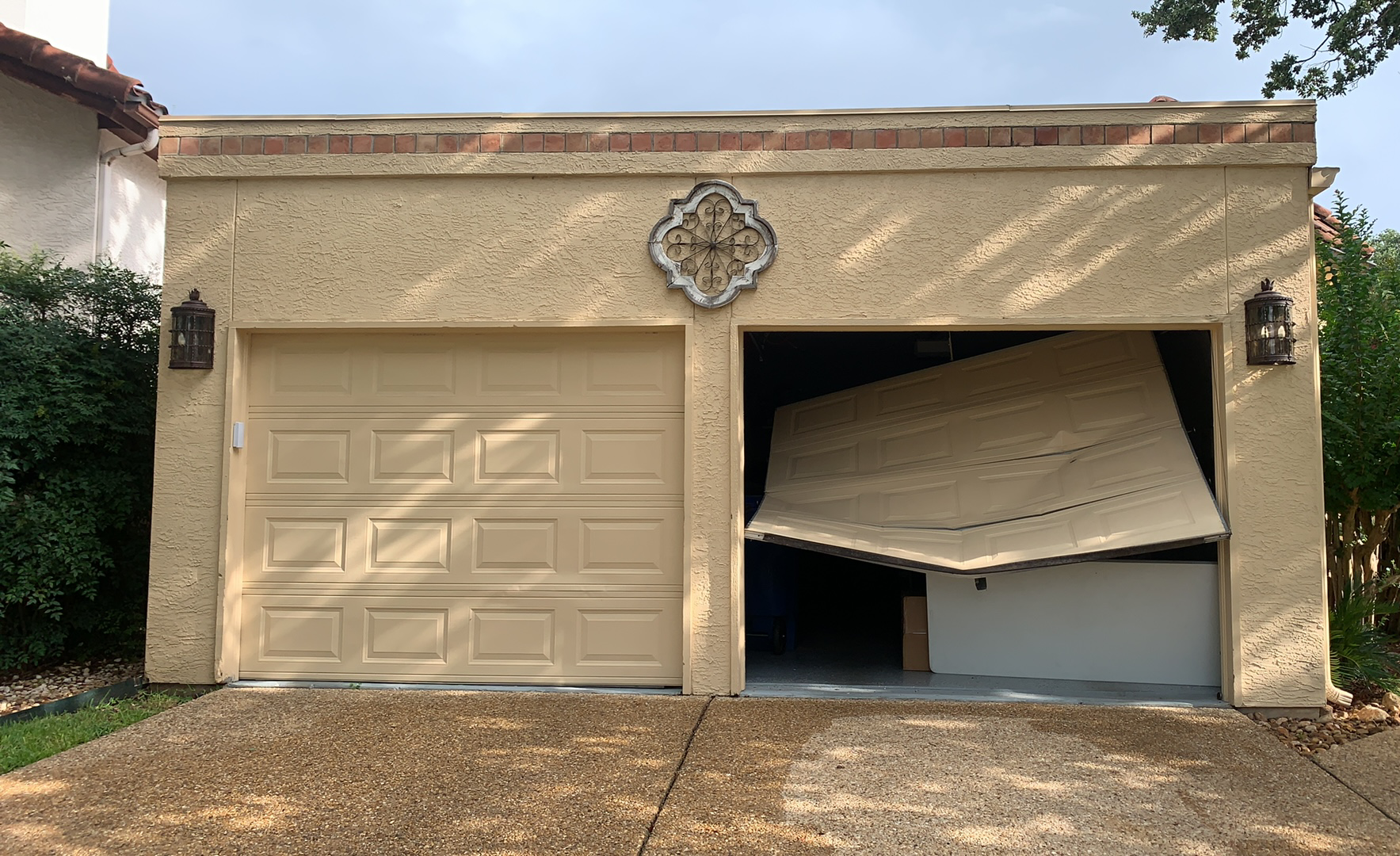
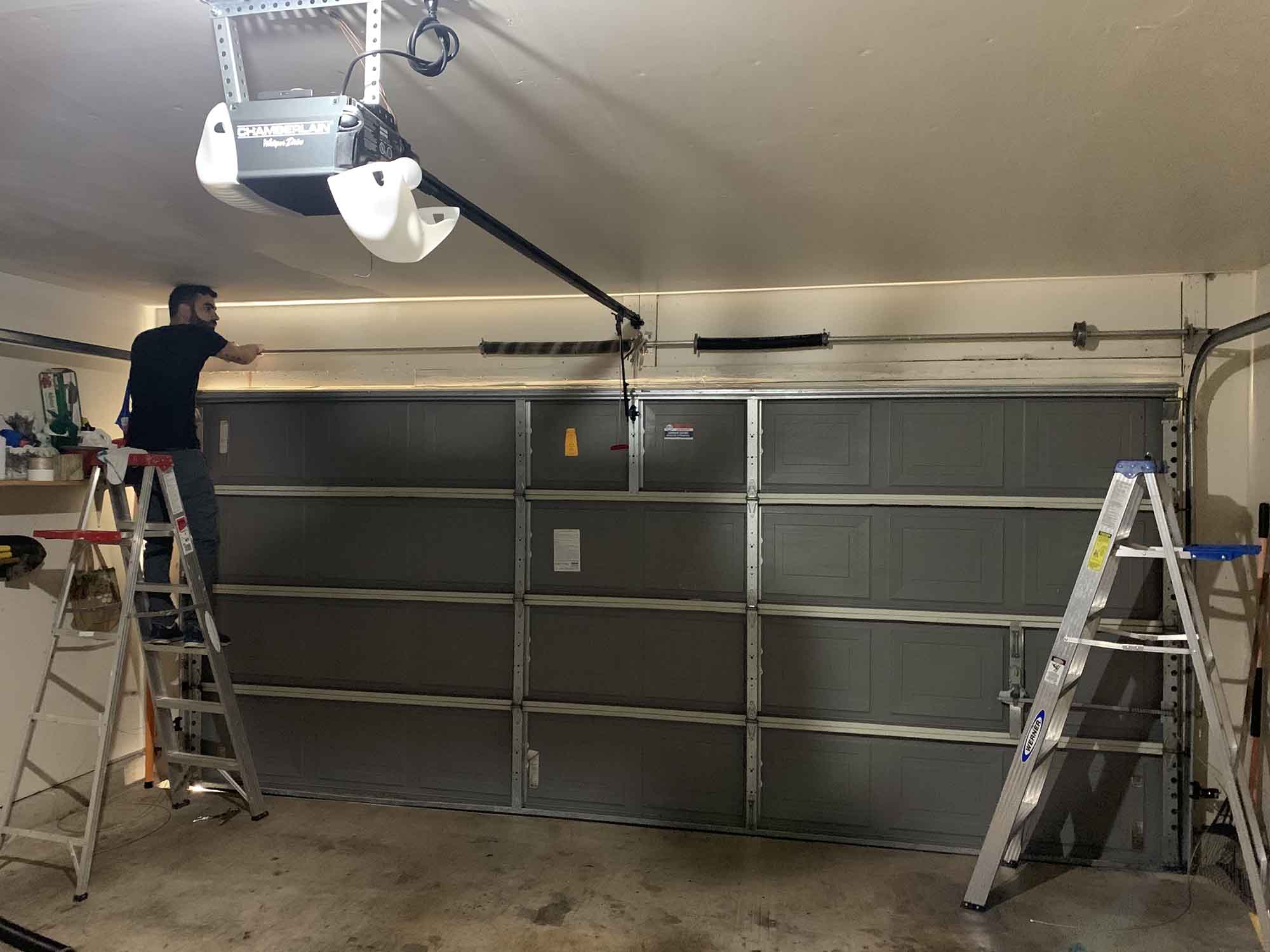
Broken or worn garage door springs play a critical role in balancing the weight of your garage door. When a torsion spring breaks or loses tension, the door can become extremely heavy, move unevenly, or stop closing properly. In many cases, you may hear a loud bang, similar to a firecracker, when the spring snaps.
A damaged spring also forces the garage door opener to work much harder than it was designed to, which can lead to additional damage if the door continues to be used. If you notice a heavy door, uneven movement, or a broken spring, stop operating the garage door immediately and have it inspected by a professional.
Since the springs support the weight of the entire door, damaged garage door springs can place extra strain on the opener and other moving parts if left unrepaired.
6. Loose or Damaged Garage Door Cables
Loose, frayed, or damaged garage door cables can prevent your garage door from closing safely. Because the cables help support and balance the door’s weight, a worn or broken cable may cause the door to close unevenly, become crooked, or leave one side hanging lower than the other. In some cases, the cable may come off the drum completely, causing the door to get stuck or move unpredictably.
If you notice a loose cable, a cable hanging from the side of the door, or uneven movement, stop using the garage door immediately. Continuing to operate the opener can place extra strain on the springs, rollers, and tracks, leading to more extensive damage.
Since garage door cables operate under high tension, they should never be repaired without the proper tools and experience. Professional garage door cable repair ensures the cables are correctly installed, properly tensioned, and safely aligned with the rest of the garage door system.
8. Damaged or Obstructed Garage Door Tracks
Your garage door relies on properly aligned tracks to open and close smoothly. If the tracks become bent, blocked by debris, or loosen from their mounting brackets, the rollers may bind or come out of alignment, preventing the door from closing completely.
Inspect both vertical tracks for dirt, leaves, small objects, or other obstructions that could interfere with the rollers. Also, look for visible dents, bent sections, loose mounting brackets, or gaps between the rollers and the track. Even minor damage can affect the door’s movement and cause it to stop, reverse, or close unevenly.
Avoid attempting to bend the tracks back into place yourself, as improper adjustments can make the problem worse and create additional safety risks. If the rollers have come out of the track or the door appears misaligned, professional garage door off-track repair is the safest way to restore proper alignment and reliable operation.
9. Worn or Damaged Garage Door Rollers
Garage door rollers help the door move smoothly along the tracks during opening and closing. Over time, rollers can wear out, crack, lose lubrication, or become damaged, causing the door to move unevenly or stop before it closes completely.
Common signs of worn rollers include squeaking or grinding noises, jerky movement, excessive vibration, or the door getting stuck halfway. Damaged rollers may also place extra stress on the tracks, cables, and opener, increasing the risk of more expensive repairs if left unaddressed.
Inspect the rollers for visible cracks, flat spots, or excessive wear. While cleaning the tracks and applying the correct garage door lubricant may improve minor issues, rollers that are damaged or no longer move freely should be replaced. Professional garage door roller replacement helps restore smooth, quiet operation and prevents unnecessary wear on other garage door components.
Garage Door Won’t Close Troubleshooting Guide
| Problem | Most Likely Cause | Can You Fix It Yourself? |
| Door starts closing, then reverses | Dirty or misaligned safety sensors | Yes |
| Door won’t close completely | Incorrect travel limit or close force settings | Sometimes |
| Door is heavy or difficult to move | Broken torsion spring | No |
| Door closes unevenly or appears crooked | Loose or damaged garage door cable | No |
| Door gets stuck halfway | Bent track or worn rollers | Sometimes |
| Remote or keypad won’t close the door | Wall Control Lock Mode is activated | Yes |
| Door won’t move and opener strains | Broken spring, cable, or opener issue | No |
Stop Using Your Garage Door Immediately If
Some garage door problems are more than an inconvenience. Continuing to operate the door can cause additional damage or create a serious safety hazard. Stop using your garage door and contact a professional if you notice any of the following:
- A garage door spring has broken or you heard a loud bang from the door.
- A garage door cable is frayed, snapped, or hanging loose.
- The door closes unevenly or appears crooked.
- The garage door opener strains, stalls, or struggles to move the door.
- Rollers have come off the track or the tracks are bent.
- The door is unusually heavy or difficult to lift manually.
Attempting to operate or repair a garage door with these issues can increase the risk of injury and cause further damage to the garage door system.
What to Do If Your Garage Door Won’t Close
1. Inspect the Door and Surrounding Area
Before attempting any repairs, inspect the garage door for obvious problems. Remove any objects blocking the door or safety sensors, and check whether the tracks, rollers, or cables appear damaged. Also, make sure both safety sensor indicator lights are solid and properly aligned.
2. Try Simple Troubleshooting First
Many garage door closing problems can be solved without replacing parts. Clean the safety sensor lenses, remove debris from the tracks, check whether the wall control Lock Mode is enabled, and test the opener again. If the door still won’t close after these basic checks, avoid forcing it to operate.
3. Test the Door Manually
If you are unsure whether the problem is with the opener or the door itself, a quick manual test can help. Pull the red emergency release cord to disconnect the door from the opener, then try lifting the door by hand. A properly balanced door should lift smoothly and stay in place at waist height without much effort. If the door feels extremely heavy, drops back down, or will not stay in position, the springs are likely the problem and the door should not be operated until a professional inspects it.
Can You Safely Fix It Yourself?
| Problem | Safe to Try Yourself? | Call a Professional? |
| Dirty or blocked safety sensors | Yes | Only if cleaning doesn’t solve the issue |
| Wall Control Lock Mode | Yes | Not usually |
| Travel limit or close force settings | Sometimes | Recommended if adjustment is unsuccessful |
| Broken torsion spring | No | Yes |
| Loose or damaged garage door cable | No | Yes |
| Bent garage door tracks | Minor inspection only | Yes |
| Worn garage door rollers | Lubrication only | Yes if replacement is needed |
4. Perform the Garage Door Safety Reverse Test
Modern garage doors include a safety reverse system that prevents the door from closing on people, pets, or objects. Place a sturdy piece of wood, such as a 2×4, flat on the floor beneath the door and close the garage door using the opener. The door should automatically reverse when it contacts the object. If it doesn’t, stop using the opener and have the system inspected by a qualified garage door technician, as the safety mechanism may not be working correctly.
Examine the Situation
The first step is to try and determine the reason why your garage door isn’t working. Check to see whether anything is blocking the safety sensors or if a toy or stone has gotten lodged beneath the door. You must first identify what the problem is before you can decide if you need a professional or if you can do the repairs yourself.
Repair The Problem On Your Own
You can solve some of the existing problems on your own. You may, for example, clean sensors or remove blockages that are preventing them from operating normally. When it comes to mechanical failures, things are quite different. You should always remember that attempting to repair something without fully comprehending the door’s mechanism could cause you significant damage.
Safety Box Or Board Test
Contemporary garage doors feature a safety mechanism that reacts and opens immediately when someone or anything is placed beneath them. It’s an excellent method to avoid injuring children or pets by walking there unintentionally. When your garage door won’t close correctly, try the simple box or board test to see if anything is wrong with this mechanism. Check the safety feature on your garage door after adjusting its limit. Another alternative is to lay a board on the ground. After that, you should try to close your garage door. If the door reacts and opens before it reaches the box or board, there is no cause for concern. Otherwise, your garage door might be a hazard to your family, so you should repair it to keep them safe.
The Consumer Product Safety Commission (CPSC) recommends testing your garage door’s automatic reverse system regularly to help reduce the risk of serious injuries and accidents.
When to Call a Garage Door Professional
If you’ve checked the safety sensors, removed any obstructions, and completed the basic troubleshooting steps but your garage door still won’t close, it’s time to contact a professional. You should also stop using the door immediately if you notice a broken spring, damaged cable, bent track, or uneven door closing, as these problems can pose serious safety hazards.
A qualified garage door technician can accurately diagnose the cause, safely repair damaged components, and restore the door’s proper operation. Attempting repairs involving springs, cables, or the opener without the proper tools and experience can lead to further damage or serious injury.
If you need same-day assistance, call Mojo Garage Door Service at (210) 997-7777. We are available 24/7 for emergency garage door repair services.
LiftMaster Garage Door Won’t Close
LiftMaster is one of the most common garage door openers in homes, and it has a built-in diagnostic system that makes troubleshooting easier once you know how to read it.
Start by looking at the two small sensor lights near the bottom of your door tracks. On a LiftMaster system, the amber light is the sender and the green light is the receiver. Both lights must be solid with no blinking. If either light is blinking or off, the sensors are the problem, and the steps in the sensor section above will fix it.
If both sensor lights are solid but the door still won’t close, check the opener motor unit on the ceiling. Count how many times the light blinks after a failed close attempt. Ten blinks means a sensor fault. One blink up followed by four blinks down means the sensors are misaligned. One blink up followed by two blinks down means the wiring is shorted or reversed.
If your wall button closes the door but your remote does not, this is a separate issue from the sensors. It usually points to Lock Mode being accidentally activated on the wall panel, or a remote that needs reprogramming or a battery replacement. Press and hold the Lock button on your wall control for a few seconds to check if Lock Mode is on. If that does not resolve it, the steps for fixing a LiftMaster opener that won’t respond cover each of these scenarios in detail.
For situations where the opener runs but the door behaves unexpectedly, checking the full list of common garage door opener problems can help identify whether the fault is with the opener or another component of the door system.
Conclusion
A garage door that won’t close is often caused by simple issues such as blocked safety sensors, Lock Mode being enabled, or travel limit settings that need adjustment. However, problems involving broken springs, damaged cables, or misaligned tracks require immediate attention to prevent further damage and ensure safe operation.
If basic troubleshooting doesn’t solve the problem, avoid forcing the door to close or attempting repairs on high-tension components. Professional service can accurately identify the cause and restore your garage door to safe working condition.
If the door still won’t close after working through these steps, a garage door repair technician can identify the exact cause and restore safe operation quickly.
FAQs
Why does my garage door start closing and then go back up?
A garage door that starts closing and then reverses is usually caused by dirty or misaligned safety sensors, an obstruction in the door’s path, or incorrect travel limit or close force settings. Check the sensors for dirt, ensure both indicator lights are solid, and remove any objects blocking the door before testing it again.
Why is my garage door sensor blinking?
A blinking garage door sensor usually means the safety sensors are blocked, dirty, or out of alignment. Clean the sensor lenses with a soft cloth and make sure both sensors are facing each other. If the sensor light continues to blink after cleaning and realignment, the sensor or wiring may require professional inspection.
Can I force my garage door closed?
No. Forcing a garage door closed can damage the opener, tracks, springs, or cables and may create a serious safety hazard. If the door won’t close normally, identify the underlying problem and repair it before using the opener again.
Why won’t my garage door close with the remote but works from the wall button?
If the wall button works but the remote doesn’t, the wall control may have Lock Mode (Vacation Mode) enabled, the remote battery may be dead, or the remote may need to be reprogrammed. Start by checking the lock setting and replacing the remote battery before attempting to reprogram it.
Why does my garage door stop a few inches above the floor?
A garage door that stops just before closing is often caused by incorrect travel limit settings, debris in the tracks, or a problem with the safety sensors. Inspect the tracks for obstructions, verify the sensors are aligned, and check the opener’s travel limit settings. If the problem continues, have the opener inspected by a garage door professional.