Yes, a broken garage door spring can damage the opener if the system continues operating after the spring fails. Garage door springs counterbalance the weight of the door, allowing the opener to guide its movement rather than lift the full load. When a spring breaks, the opener must work harder than intended, which can increase motor strain, accelerate component wear, and shorten the opener’s lifespan.
Many homeowners first notice a problem when the door becomes unusually heavy, opens unevenly, moves more slowly, or stops working properly. Because some openers may continue working temporarily after a spring break, the real cause of the problem is not always obvious.
Understanding how garage door springs and openers work together can help homeowners recognize warning signs early and avoid unnecessary damage. In this guide, we’ll explain how a broken spring affects opener performance, common symptoms of opener strain, and what steps to take after a spring failure.
Why the Garage Door Opener Depends on the Springs
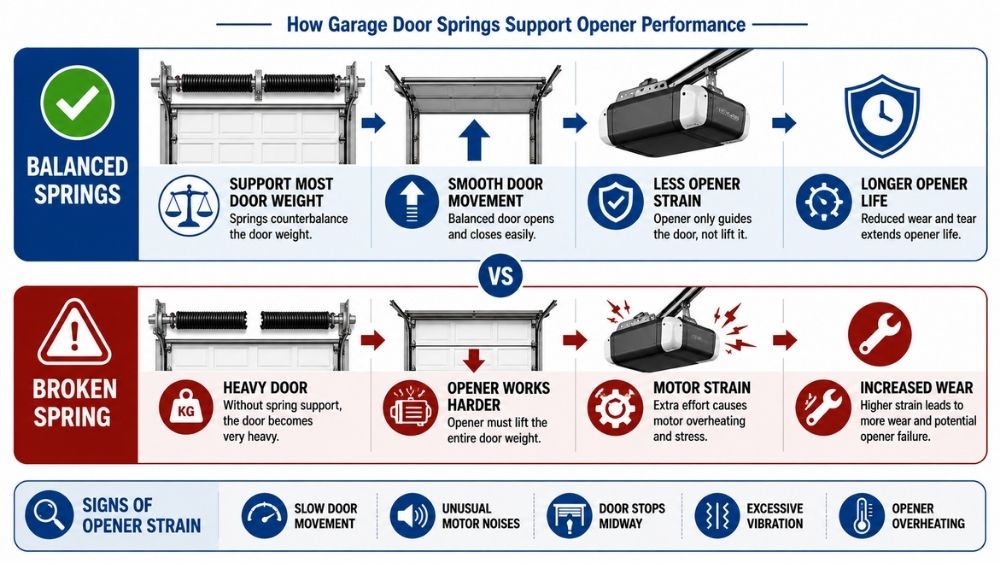
Garage door openers and springs work together to move the door safely and efficiently. While many homeowners assume the opener does most of the lifting, the springs actually support the majority of the door’s weight. Understanding this relationship helps explain why a broken spring can create problems that appear to be opener-related.
Springs Carry Most of the Weight
One of the most common misconceptions among homeowners is that the garage door opener performs the heavy lifting. In reality, garage door springs do most of the work every time the door opens and closes.
Garage door springs store mechanical energy when the door is closed and release that energy as the door opens. This counterbalancing action offsets much of the door’s weight, making it possible to lift a garage door that may weigh between 130 and 400 pounds, while insulated double doors can exceed 500 pounds.
Without properly functioning springs, opening the door becomes significantly more difficult because the weight is no longer being supported as intended.
The Opener Controls Movement, Not Heavy Lifting
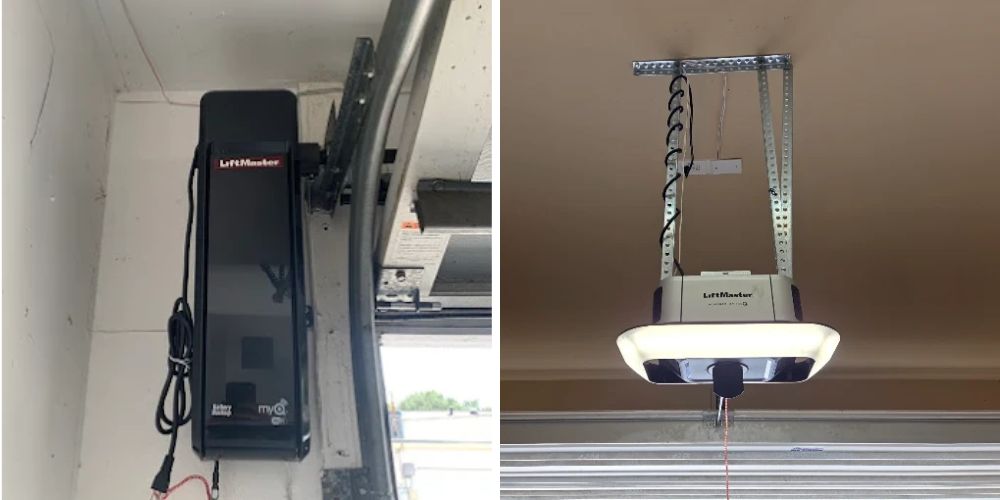
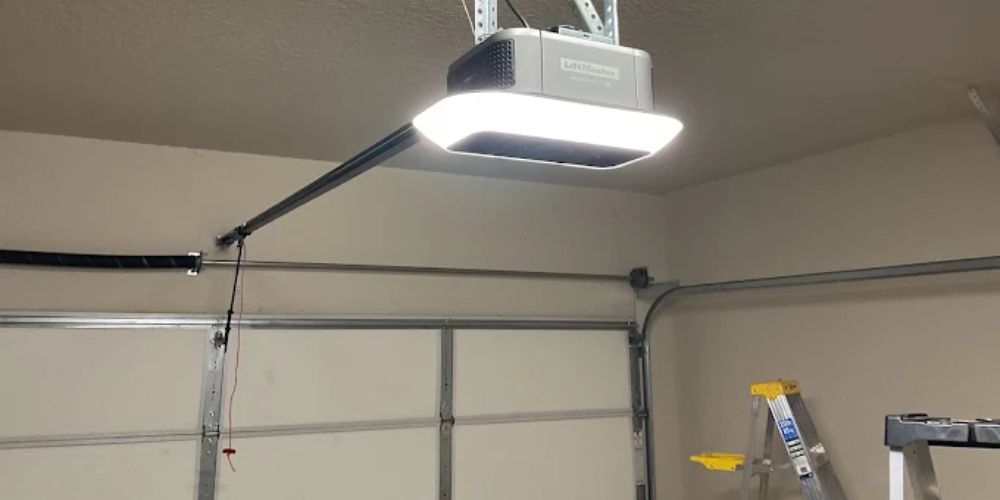
The garage door opener is designed to guide and control the movement of a balanced door. Under normal conditions, the opener only needs enough force to move the door along its tracks because the springs are already handling most of the weight.
This balance is what allows modern garage door systems to operate efficiently while minimizing wear on the opener and other components.
What Happens When That Balance Is Lost?
When a spring breaks, the door immediately becomes much heavier. The opener may attempt to continue lifting the door, but it must now compensate for the missing spring support.
As a result, homeowners may notice:
- Slower door operation
- Increased motor noise
- Excessive vibration
- Jerky movement
- Incomplete opening cycles
- Unexpected door reversal
In many cases, these symptoms are mistaken for opener failure when the underlying problem is actually spring-related.
What Happens Immediately After a Garage Door Spring Breaks?
A broken garage door spring can cause noticeable changes in the way a garage door operates. In some situations, the failure is obvious. In others, homeowners may continue using the door without realizing the spring has broken.
The Door Suddenly Feels Much Heavier
Because the spring is no longer helping to support the door’s weight, lifting the door manually becomes much more difficult. Many homeowners first discover a spring problem when they attempt to open the garage door and notice unusual resistance.
The Opener Starts Working Harder
The opener is designed to move a balanced garage door, not lift its full weight. When a spring breaks, the opener must compensate for the missing lifting assistance.
This extra workload can lead to increased motor strain, slower operation, unusual noises, and inconsistent performance.
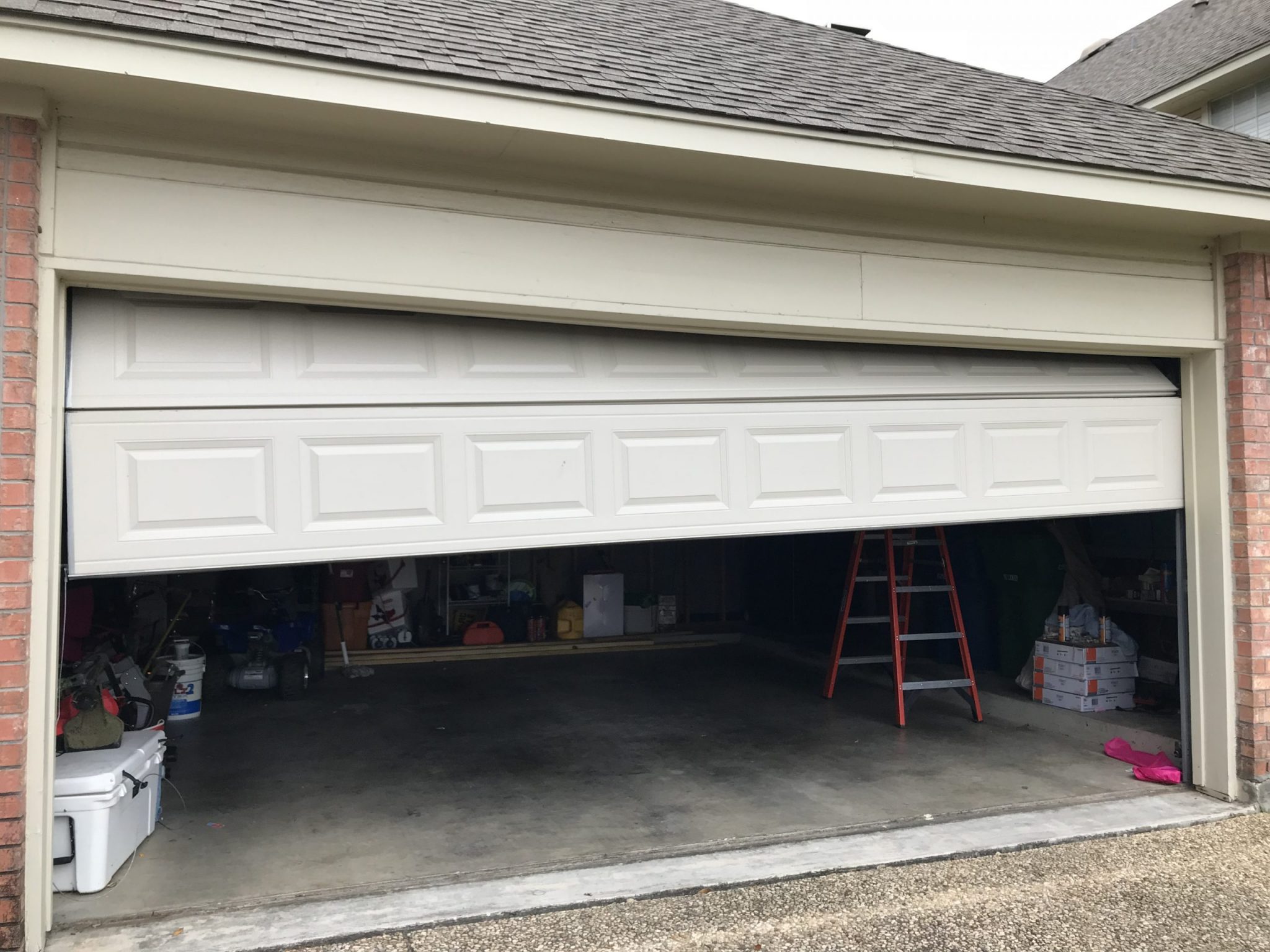
The Door May Open Partially
In some cases, the opener may still be able to lift the door a short distance before stopping. Safety sensors and force settings may detect excessive resistance and prevent the door from completing its travel cycle.
The Door May Not Open At All
A complete spring failure can prevent the door from opening entirely. Heavier garage doors are particularly likely to remain closed because the opener lacks sufficient lifting power without spring assistance.
Can You Keep Using the Opener After a Spring Breaks?
One of the most common questions homeowners ask is whether they can continue using the garage door opener until repairs are scheduled.
Why Some Doors Still Open
Not every garage door stops working immediately after a spring breaks. Depending on the door weight, opener power, and spring configuration, the opener may continue operating for a short period.
This often creates the impression that everything is still functioning normally.
Why Continued Use Is Risky
Even if the door appears to open successfully, the opener is working under conditions it was never designed to handle.
Continued operation can increase wear on internal components and place additional stress on the entire system.
When Additional Damage Can Occur
The longer the opener operates without proper spring support, the greater the likelihood of damage.
Potential issues include:
- Overheating motors
- Worn gears
- Damaged drive systems
- Reduced opener lifespan
- Additional strain on cables and rollers
When You Should Stop Using the Door Immediately
Homeowners should avoid using the opener if:
- The spring is visibly broken
- The door becomes extremely heavy
- The opener struggles to lift the door
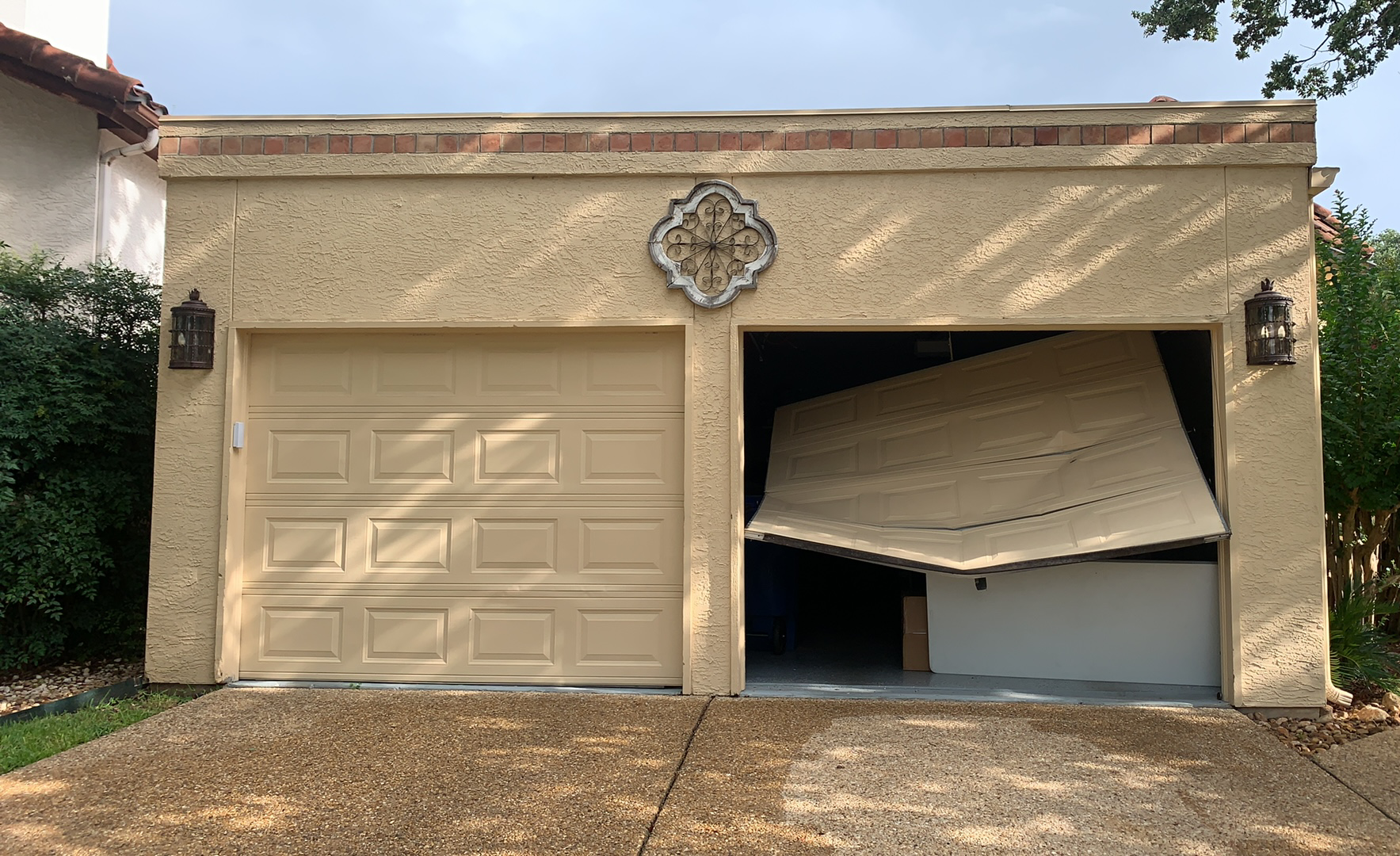
- The door opens unevenly
- Excessive noise develops during operation
Signs a Broken Spring Is Straining the Opener
A damaged spring often creates symptoms that appear to be garage door opener problems.
- The Opener Moves More Slowly
One of the earliest signs of strain is reduced operating speed. The opener must work harder to lift the door, resulting in slower movement.
- The Motor Sounds Louder Than Normal
Increased resistance can cause the motor to produce louder humming, grinding, or straining noises.
- The Door Stops Midway
A struggling opener may stop before the door reaches its fully open position.
- The Door Reverses Unexpectedly
Modern openers include safety systems that detect excessive resistance. If the opener senses a problem, it may reverse direction automatically.
- Excessive Vibration During Operation
When balance is lost, the opener may vibrate more than usual while attempting to move the door.
- The Motor Feels Hot
Excessive workload can cause the motor housing to become unusually warm or hot after operation.
| Symptom | Possible Spring Issue | Potential Effect on Opener |
| The door feels unusually heavy | Loss of spring support | Increased motor strain |
| The door opens slowly | Weak or broken spring | Reduced opener performance |
| Door stops midway | Spring imbalance | Opener overload |
| Door reverses unexpectedly | Excessive resistance | Safety system activation |
| Loud motor noises | Increased lifting demand | Accelerated component wear |
| Excessive vibration | Unbalanced door movement | Additional stress on the opener parts |
Can a Broken Spring Burn Out a Garage Door Opener?
Yes, continued operation can contribute to opener failure.
- Motor Overheating
Electric motors generate heat during normal operation. When forced to lift significantly more weight than intended, heat buildup increases substantially.
- Gear Wear
Many garage door openers rely on internal gears to transfer power from the motor to the drive system. Excessive strain can accelerate wear and shorten the lifespan of these components.
- Drive System Stress
Chain-drive, belt-drive, and screw-drive openers all depend on balanced door movement. A broken spring places additional stress on these systems.
- Premature Component Failure
While a single opening cycle may not immediately destroy the opener, repeated operation can contribute to premature component failure over time.
What Other Garage Door Parts Can Be Damaged?
Garage doors operate as interconnected systems. When one component fails, additional parts may experience increased stress.
- Cables
Lift cables help support and guide the door during operation. Increased tension can accelerate wear and eventually require garage door cable repair.
- Rollers
Unbalanced movement may place additional pressure on the garage door rollers, increasing wear and reducing smooth operation.
- Tracks
Uneven forces can create alignment issues and place additional stress on the track system.
- Door Sections
Repeated operation with a broken spring may increase stress on hinges, brackets, and door panels.
What Should You Do If a Garage Door Spring Breaks?
- Stop Using the Opener
Continued operation increases the risk of additional damage.
- Inspect the Spring
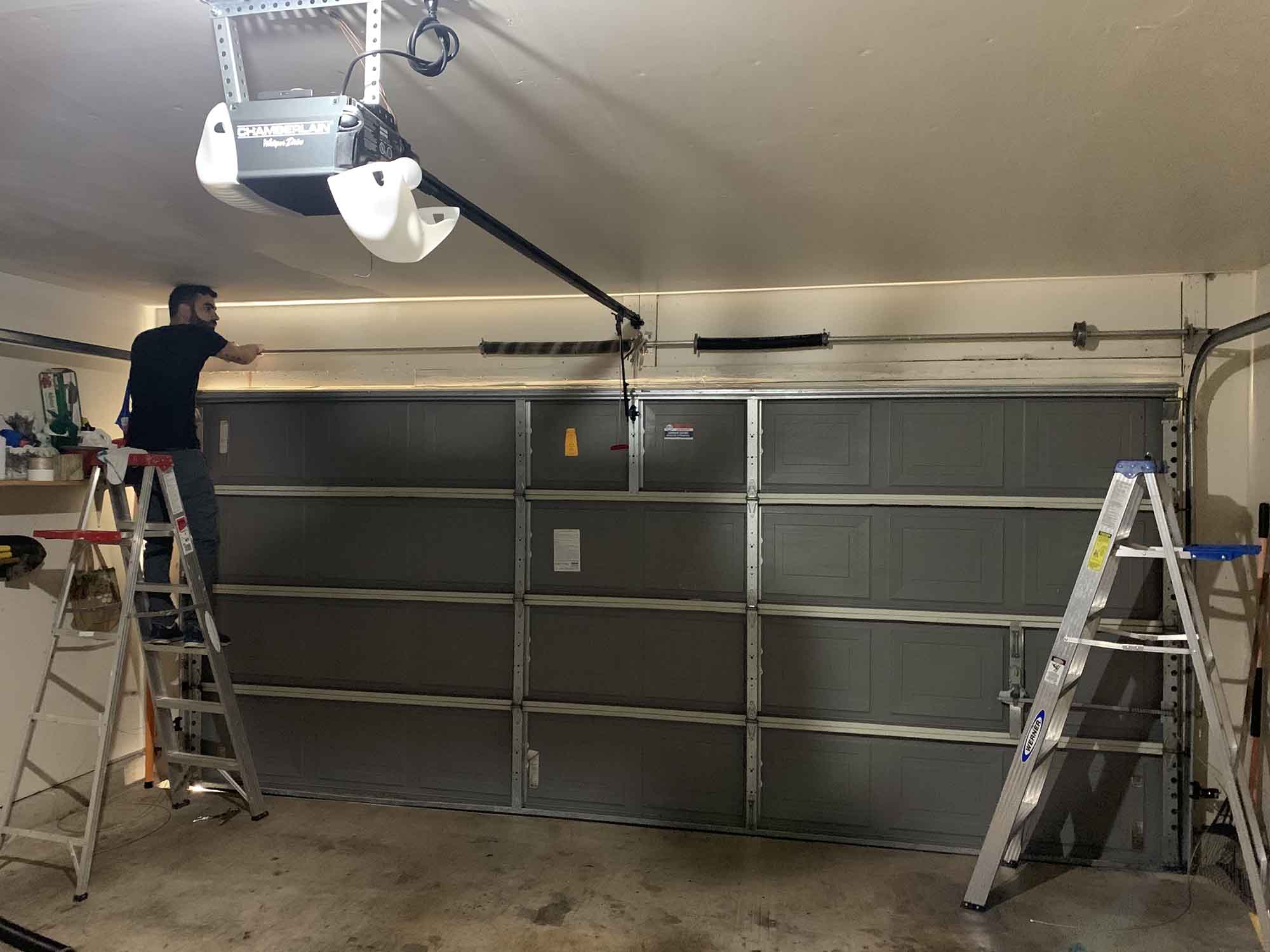
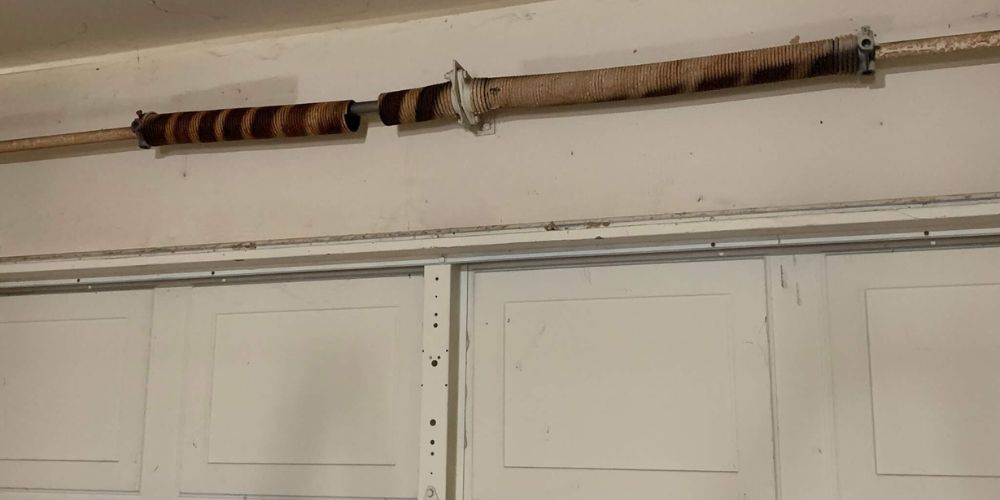
A visual inspection may reveal a visible gap in a torsion spring or obvious damage to an extension spring.
- Avoid Forcing the Door Open
Attempting to force the door can create safety risks and increase wear on other components.
- Schedule a Professional Inspection
A qualified technician can confirm whether the spring has failed and inspect the opener for any related damage.
- Replace the Damaged Spring
Garage door spring replacement restores proper balance and helps protect the opener from unnecessary strain.
How to Prevent Opener Damage From Spring Problems
Garage door maintenance plays an important role in protecting both the spring system and the opener.
- Routine Inspections
Regular inspections help identify wear before a spring fails completely.
- Lubrication
Proper lubrication reduces friction and helps springs operate more efficiently.
- Balance Testing
Periodic balance checks can reveal problems before they place excessive strain on the opener.
- Replacing Springs Before Failure
Addressing aging springs before they break can help prevent opener damage and reduce the likelihood of unexpected breakdowns.
Conclusion
A broken garage door spring can do more than prevent the door from operating properly. Because springs carry most of the door’s weight, a spring failure forces the opener to work significantly harder than intended. Over time, this added strain can contribute to motor wear, gear damage, reduced performance, and a shorter opener lifespan.
Recognizing the warning signs early can help homeowners avoid unnecessary repairs and protect other garage door components from additional stress. If your garage door suddenly feels heavier, struggles to open, or begins showing signs of imbalance, a broken spring may be the underlying cause.
Addressing spring problems promptly helps maintain safe operation, reduce repair costs, and keep the entire garage door system functioning reliably.
Frequently Asked Questions
Can I still use my garage door with a broken spring?
While some doors may continue operating temporarily, continued use is generally not recommended because it can increase the risk of additional damage.
Will a garage door opener work without springs?
In some cases, the opener may still move the door, but it must carry much more weight than it was designed to handle.
Can I manually lift a garage door with a broken spring?
Some lighter doors can be lifted manually, but the door will feel significantly heavier and may present safety concerns.
How do I know if my opener or spring is the problem?
A visible spring gap, heavy door, loud bang, or sudden balance issues often indicate spring failure rather than opener failure.
Can a broken spring burn out the opener?
Repeated operation with a broken spring can contribute to overheating, excessive wear, and premature opener failure.
How much does it cost to fix a broken garage door spring?
Garage door spring replacement typically costs between $150 and $350, depending on the spring type and door size. Costs can be higher if the opener was also damaged from continued use after the spring broke.