Table of Contents
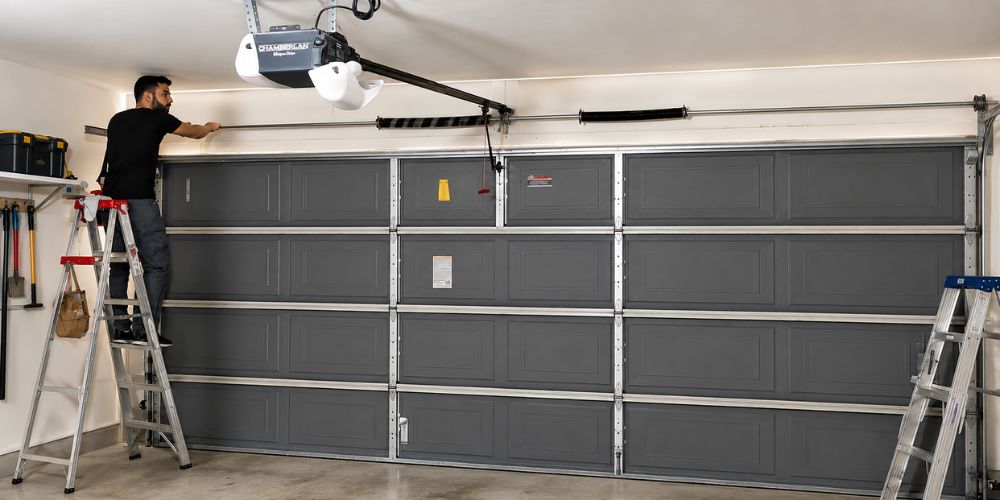
If your garage door opener rattles, grinds, or wakes up the whole house every time it runs, you’re not alone. Noise is one of the most common complaints homeowners have about their garage door system and one of the easiest to fix when you know what to look for.
A quiet garage door opener isn’t just a convenience. For homes with an attached garage or a bedroom above it, a silent garage opener can genuinely improve day-to-day life. In this guide, we’ll break down why openers get noisy, which drive types are the quietest, what features actually matter, and whether upgrading is worth it.
Why Some Garage Door Openers Are Noisy
Garage door opener noise usually comes from one of three sources: the drive mechanism, the door itself, or worn components. Understanding which is which helps you target the actual problem.
Drive Mechanism
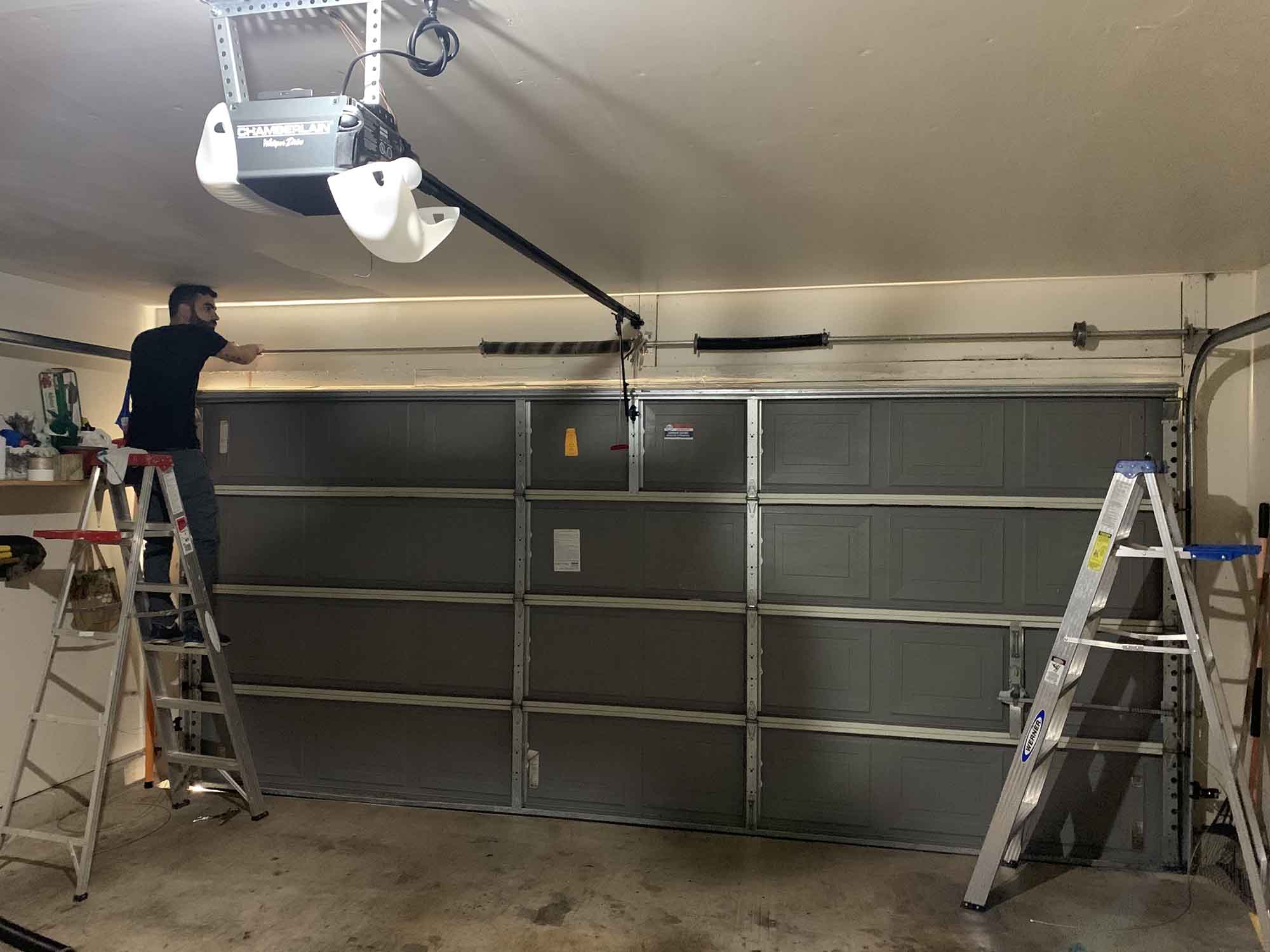
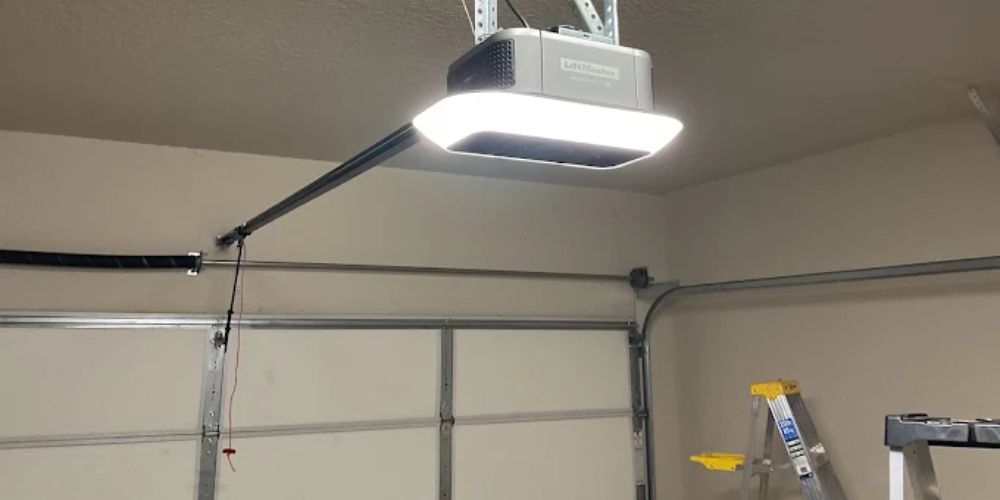
The drive is the main noise culprit in most systems. Chain-drive openers use a metal chain, similar to a bicycle chain, to move the trolley. This creates rattling and vibration during operation. Chain drives are durable and affordable, but they are by far the noisiest option.
Door and Hardware
Even with a quiet opener, a door with worn rollers, loose hardware, or poor garage door lubrication can produce significant noise. Garage door opener vibration can travel through the ceiling into living spaces, a common source of complaints in two-story homes.
Worn or Aging Components
A noisy garage door opener that was previously quiet often signals a maintenance issue dry metal parts, loose fasteners, or a worn drive component rather than a fundamental design problem. Routine garage door maintenance often helps identify these issues early.
Belt Drive vs Chain Drive Garage Door Opener: Which Is Quieter?
The belt drive vs chain drive garage door opener comparison is the most important decision for homeowners prioritizing noise. Here’s how each type breaks down:
| Drive Type | Noise Level | Best For | Cost Range |
| Belt Drive | Very Low | Attached garages, bedrooms above garage | $150–$300 |
| Direct Drive | Lowest | Homes needing minimal vibration | $200–$400 |
| Chain Drive | High | Detached garages, budget installs | $100–$200 |
| Screw Drive | Moderate | Low-maintenance preference | $130–$250 |
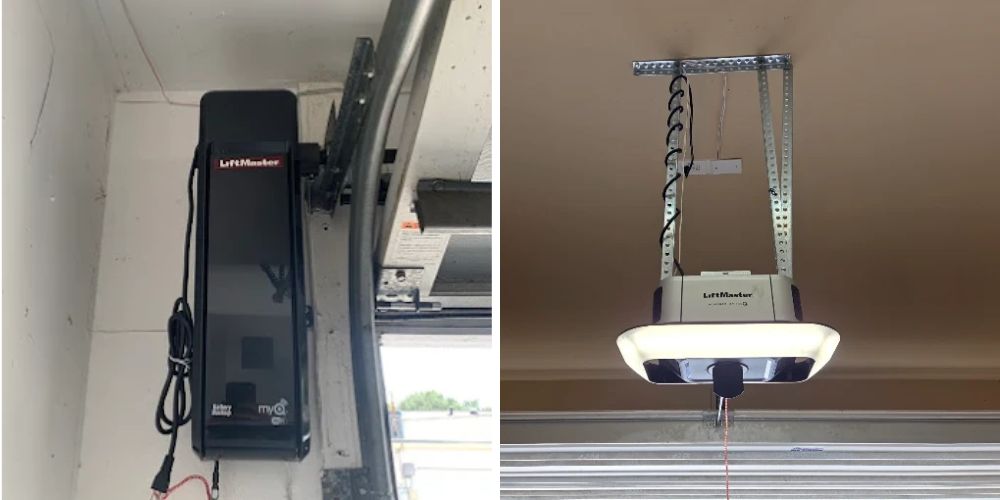
Belt drive openers use a rubber belt instead of a metal chain, significantly reducing vibration and operational noise. Direct drive openers go a step further: the motor moves along a stationary chain inside the rail, meaning there are almost no moving parts to generate noise or vibration. Understanding the parts for a garage door opener can also help homeowners compare different drive systems, maintenance requirements, and long-term durability.
For most homeowners with an attached garage, a belt drive opener represents the best balance of noise reduction, reliability, and cost. Direct drive is worth the premium for homes where even belt drive noise is a concern.
Features to Look for in a Quiet Garage Door Opener
Drive type isn’t the only factor. When comparing the best quiet garage door opener options, these features make a meaningful difference:
DC Motor
DC motors run more smoothly than older AC motors and allow soft-start and soft-stop operation, which reduces the clunking noise at the beginning and end of each cycle.
Soft-Start / Soft-Stop
Openers with soft-start and soft-stop gradually accelerate and decelerate rather than snapping on and off at full speed. This alone can significantly reduce the jarring noise that wakes people up.
Vibration Isolation
Some openers include rubber isolation kits that prevent vibration from transferring through the ceiling into living spaces above. This is especially valuable in two-story homes.
Steel-Reinforced Belt
Higher-quality belt drives use a steel-reinforced belt that maintains tension better over time, reducing slippage noise as the belt ages.
Battery Backup
While not a noise feature, battery backup prevents the motor from struggling during power fluctuations, a common cause of unusual grinding or straining sounds.
Can You Reduce Garage Door Opener Noise?
If replacing your opener isn’t in the immediate budget, garage door opener noise reduction is still achievable through targeted maintenance. Many homeowners are surprised how much quieter a door gets after a few simple steps.
- Lubricate all moving parts: hinges, rollers, springs, and tracks with a silicone-based or lithium garage door lubricant. Avoid WD-40, which can dry out components over time.
- Replace worn nylon rollers. Metal rollers are louder than nylon alternatives and wear down faster, increasing vibration against the track.
- Tighten all bolts and fasteners on the door and track hardware. Loose components amplify vibration significantly.
- Install an anti-vibration kit between the opener bracket and the ceiling to isolate garage door opener vibration from the structure above.
- Check the balance of the door, as worn garage door springs can force the opener to work harder and create additional noise. An unbalanced door forces the opener to work harder, creating strain noise that sounds like the opener itself is failing.
If maintenance steps reduce noise noticeably but don’t eliminate it, the issue is likely in the drive mechanism, which points toward an upgrade rather than a repair. In some cases, these symptoms may also resemble common garage door opener problems, particularly when aging components begin affecting overall performance.
Is a Belt Drive Garage Door Opener Worth It?
For most homeowners with an attached garage, yes, a belt drive garage door opener is worth the additional cost over a chain drive. The price difference is typically $50–$100 at the unit level, and the noise reduction is significant enough to notice immediately.
Where a belt drive may not be the best choice: detached garages with no adjacent living space, very heavy or oversized commercial doors, and installations in extreme temperature climates where rubber belts can stiffen (though modern steel-reinforced belts handle this much better than older models).
If noise reduction is the primary goal and budget allows, a direct drive opener is the quietest garage door opener type available. With fewer moving parts than any other system, it’s also the most mechanically reliable over the long term.
Ready for a Quieter Garage Door Opener?
Mojo Garage Door Service installs belt drive, direct drive, and chain drive openers across San Antonio. If your current opener is noisy, struggling, or aging, professional garage door opener installation can help improve reliability, reduce noise, and provide access to modern features. Call us or schedule an appointment online.
Conclusion
Choosing a quiet garage door opener comes down to three decisions: drive type, motor quality, and whether your current door hardware is contributing to the noise. Belt drive and direct drive openers offer the most significant noise reduction, with direct drive being the quietest option available. If the door itself is the source of vibration, targeted maintenance can help regardless of which opener you have.
When noise is affecting your quality of life or disturbing family members, an upgrade is almost always worth the investment. A professionally installed belt or direct drive opener with soft-start capability will make a noticeable difference from the very first cycle.
Frequently Asked Questions
What is the quietest type of garage door opener?
Direct drive openers are the quietest garage door opener type available. Because the motor moves along a stationary chain inside the rail, there are almost no moving parts to generate noise or vibration. Belt drive openers are a close second and are more widely available at a lower price point.
Is a belt drive or chain drive garage door opener better for noise?
Belt drive is significantly quieter than chain drive. Chain drives use a metal chain that creates rattling and vibration during operation. A belt drive uses a rubber belt that absorbs vibration and runs smoothly, making it a much better choice for attached garages or homes with living space above the garage.
Can I make my existing garage door opener quieter without replacing it?
Yes, in many cases. Lubricating all moving parts, replacing worn metal rollers with nylon rollers, tightening loose hardware, and installing an anti-vibration kit can all reduce garage door opener noise meaningfully. If the drive mechanism itself is the source of noise, these steps may reduce but not fully eliminate the problem.
Why is my garage door opener making a loud noise suddenly?
A garage door opener making a loud noise that wasn’t present before usually indicates a maintenance issue: dry or worn components, loose fasteners, a worn belt or chain, or a problem with the springs or rollers. If the noise is accompanied by slower operation or the door struggling to open, it should be inspected by a technician promptly.
How much does a quiet garage door opener cost?
Belt drive openers typically range from $150 to $300 for the unit, with installation adding $100 to $200 depending on your area. Direct drive openers range from $200 to $400. Both are more expensive than chain drive at the unit level, but the noise reduction and long-term reliability often justify the difference.
Is a silent garage opener worth the extra cost?
For most homeowners with an attached garage, yes. The price difference between a chain drive and a belt drive opener is typically $50–$100, and the noise reduction is immediately noticeable. For homes where the garage is detached and away from living spaces, the upgrade is less critical.