Your garage door is one of the largest moving systems in your home, and its smooth operation depends heavily on the condition of its springs. These springs handle most of the lifting and lowering every time the door opens or closes. Over time, repeated use and exposure to changing weather cause gradual wear, making garage door spring replacement an inevitable part of homeownership.
Understanding when garage door spring repair & replacement is needed helps homeowners stay ahead of unexpected issues and avoid unnecessary disruption. Recognizing early signs of spring wear and understanding the factors that affect spring lifespan allows problems to be addressed before they escalate. Scheduling service at the right time supports consistent door operation, reduces the risk of sudden failure, and helps maintain a safe home environment. When informed decisions are made early, garage door spring replacement does not have to become an emergency.
Understanding Residential Garage Door Spring Replacement
Residential garage door spring replacement involves removing worn or damaged springs and installing new ones that are properly matched to the door. The correct spring type depends on several factors, including the door’s size, weight, and overall design. In most homes, garage doors rely on either torsion springs or extension springs, and each system requires a specific replacement approach.
Because garage door springs operate under significant tension, this work is handled by trained professionals with the proper tools and experience. A qualified technician evaluates the entire door system, selects springs that match the door’s requirements, and ensures the door is correctly balanced after replacement. Proper balance supports smooth operation and helps reduce strain on other garage door components, which can extend the overall lifespan of the system.
For a deeper look at timing, warning signs, and what homeowners should know, explore Residential Garage Door Spring Replacement: When Is It Needed?
How Garage Door Springs Function in Residential Garage Doors
Garage door springs play a central role in supporting the weight of the door as it moves. While many homeowners assume the opener provides the lifting force, its primary function is to guide the door along its tracks. The springs store and release energy, allowing the door to open and close smoothly while keeping manual operation manageable. When springs are no longer functioning properly, the door can feel unusually heavy or become difficult to move.
The way a spring works depends on its design. Torsion springs are mounted on a metal shaft above the garage door opening and operate by twisting as the door moves, providing a controlled and consistent lifting force. Extension springs are positioned along the sides of the door near the tracks and assist movement by stretching and contracting as the door opens and closes.
Both torsion and extension springs are essential parts of the garage door system and are paired with safety cables designed to limit movement if a spring fails. For the system to operate reliably, the springs and surrounding components must remain properly adjusted and in good condition.
Why Garage Door Spring Replacement Becomes Necessary Over Time
Garage door springs are designed to operate for a limited number of cycles, with one cycle defined as a single opening and closing of the door. Over years of regular use, the repeated stress of lifting a heavy door causes gradual wear within the metal. As this wear accumulates, the springs lose strength and eventually fail.
Several warning signs may indicate that a spring is nearing the end of its lifespan. Homeowners may notice one or more of the following changes:
- Visible rust or corrosion forming on the springs
- Increased resistance or heaviness when lifting the door manually
- Unusual noises, such as squeaking or grinding, during door movement
- A door that closes faster than normal, instead of moving smoothly
When these signals are overlooked, the risk of sudden failure increases. A garage door spring releases a significant amount of stored energy when it breaks, which can cause the door to drop abruptly if it is in motion. This sudden movement can damage the door system and may lead to issues that require garage off-track repair, creating serious safety concerns. Addressing spring problems promptly plays an important role in maintaining reliable and safe garage door operation.
Signs of a Broken Garage Door Spring in Residential Homes
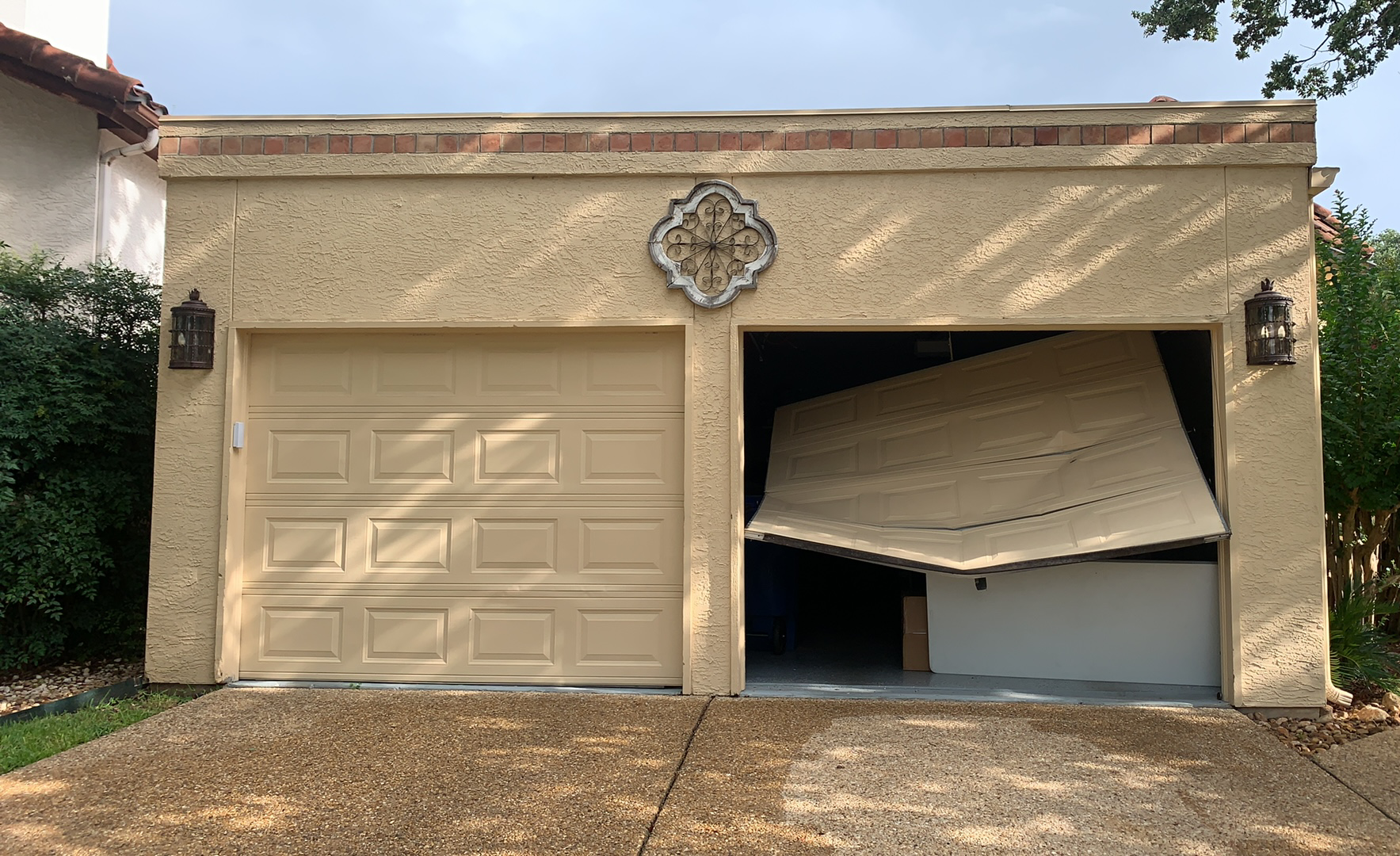
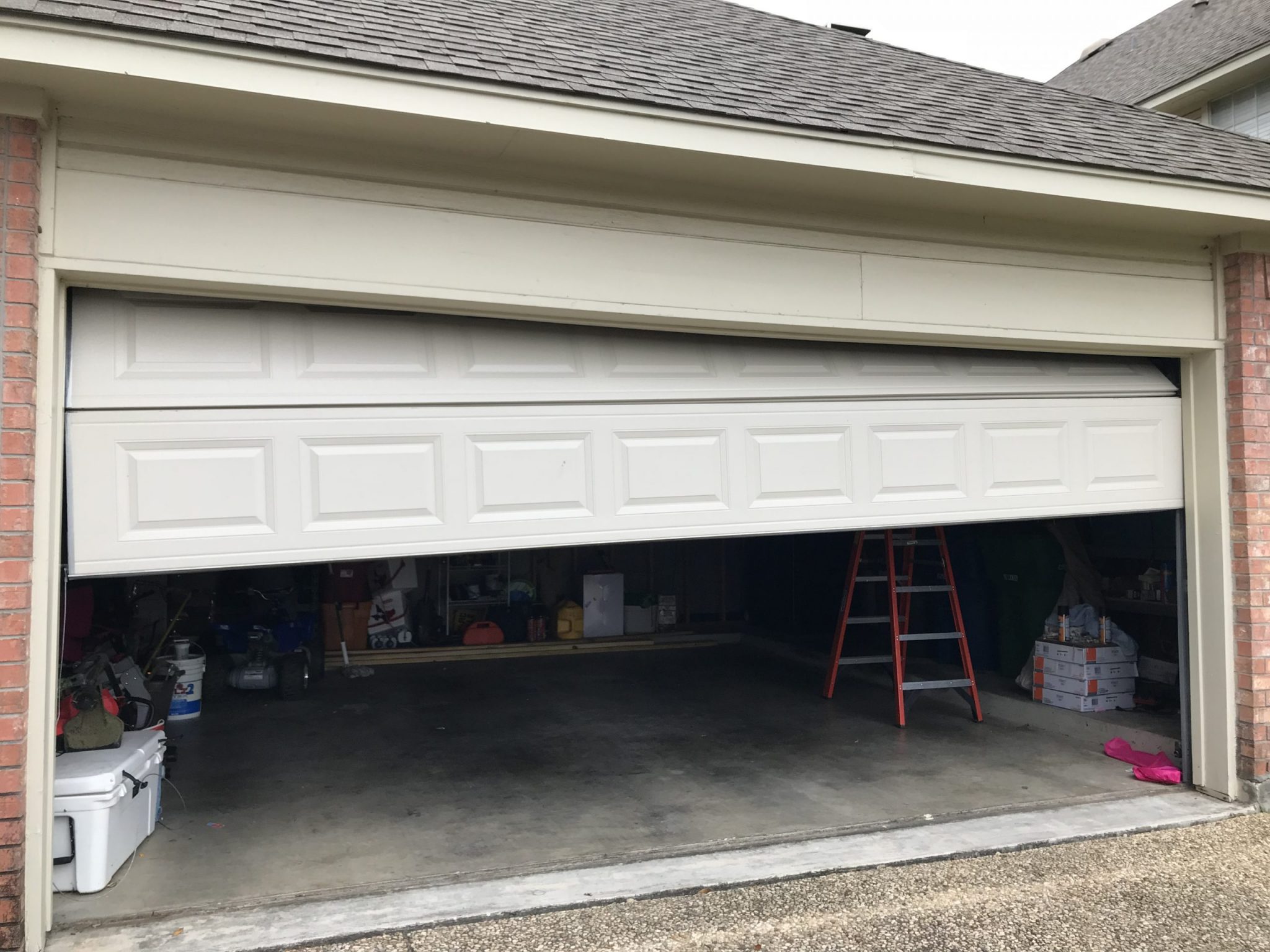
Several issues can indicate a broken garage door spring in a residential setting, and each one affects how reliably the door operates. Homeowners may notice that the garage door no longer opens or closes fully, which often points to torsion or extension springs that are no longer providing proper support. In some cases, the problem is visible, such as a noticeable gap in the spring or a door that appears uneven when it moves or rests in the opening.
When these conditions are left unaddressed, they can create safety concerns and lead to additional strain on the garage door system. Recognizing the signs early and scheduling spring replacement helps restore normal operation and reduces the risk of further damage. Addressing the issue promptly also supports safer use of the garage door and provides peace of mind.
To better understand the consequences of delay, take a moment to read What Are the Disadvantages of Neglecting a Broken Spring?
Visible Changes That Point to a Broken Garage Door Spring
A visual inspection can often reveal clear signs of a broken spring. With torsion springs, which are mounted above the garage door, a visible separation of about two inches between the coils typically indicates a break. For extension springs located along the sides of the door, a failure may appear as a loose spring or components hanging out of place.
Other visible changes can signal that the springs are no longer managing the door’s weight properly. These issues often become noticeable immediately after spring break or as failure approaches:
- A crooked door: When one spring in a two-spring system fails, the door may lose support on one side, causing it to hang unevenly or sag during operation.
- Loose or broken cables: Lift cables rely on the springs to maintain proper tension. When a spring fails, these cables may appear slack or may break as the door’s weight shifts.
- Bent or misaligned tracks: A sudden drop caused by a broken spring can place excessive force on the tracks, leading to bending or alignment problems.
These visible conditions indicate that the springs are no longer supporting the system as intended. Professional attention helps prevent additional damage to the door, tracks, and cables while restoring proper operation.

How Door Movement Issues Signal the Need to Replace a Garage Door Spring
Changes in the way a garage door moves are often a strong indication of spring failure. Springs counterbalance the weight of the door, and when they stop working correctly, the entire system is affected. A broken spring can prevent the door from opening, even when the opener is engaged, since the opener is not designed to lift the full weight of the door on its own and may stop to avoid damage.
Forcing the door to move under these conditions can cause further problems, including damage to the opener, tracks, or door panels. Several movement-related issues commonly point to a broken spring:
- The door opens only a few inches before stopping
- The door closes much faster than usual and may slam shut
- The door feels unusually heavy when lifted manually
These symptoms indicate that the springs are no longer counterbalancing the door’s weight. Continued operation under these conditions can be unsafe and may place added strain on other components, increasing the likelihood of issues that require garage door cable repair. Keeping the door closed and arranging for professional spring replacement helps restore safe, reliable function and limits further damage.
When Homeowners Schedule Garage Door Spring Repair or Replacement
Homeowners typically schedule garage door spring repair or replacement as soon as signs of wear or failure become noticeable. Delaying service can allow the issue to worsen, increasing safety risks and placing added strain on the rest of the garage door system. In many cases, spring concerns are identified during routine garage door inspections, when a technician notices that the springs are nearing the end of their service life. Addressing spring replacement at this stage is far more manageable than waiting for a sudden breakdown that disrupts daily use and creates an urgent situation.
Because garage door springs operate under extreme tension, this type of work requires specialized training and equipment. Professional service ensures the replacement is completed safely and that the system is properly balanced afterward. Scheduling garage door spring repair also allows the entire door assembly to be evaluated, which can reveal developing issues before they lead to larger problems. Regular inspections combined with timely service help maintain reliable operation and reduce the likelihood of unexpected failures.
For more insight into why this service matters, explore What Makes Spring Replacement Necessary for Homes?
Seasonal Factors That Influence Garage Door Spring Replacement
Seasonal conditions play a significant role in how garage door springs perform over time. Cold temperatures cause metal components to contract, which increases stiffness in the springs and makes them more susceptible to breaking, especially if they are already worn. This is why spring failures are more common during colder months, when sudden temperature drops place additional stress on aging components.
Moisture and humidity also affect spring durability. In areas with fluctuating or consistently high humidity, moisture can contribute to rust forming along the spring coils. Rust weakens the metal and increases friction between coils, which accelerates wear and shortens the spring’s lifespan. Over time, these environmental factors combine to reduce the spring’s ability to handle the weight of the garage door safely.
Weather-related conditions that commonly impact garage door springs include:
- Cold temperatures make metal stiffer and more prone to snapping
- High humidity, which encourages rust and corrosion along the coils
- Rapid temperature changes, which cause repeated expansion and contraction, stress the metal
While weather conditions cannot be controlled, understanding how seasonal changes affect garage door springs helps homeowners anticipate potential issues. Monitoring spring condition as seasons shift allows problems to be identified earlier, reducing the chances of unexpected failure and limiting the need for more extensive garage door repair during periods of extreme weather.
What Homeowners Should Know About Garage Door Spring Replacement Cost
The total cost to replace a garage door spring varies based on several factors, though it is generally considered manageable for most homeowners. The type of spring plays a major role, as torsion springs usually require a higher investment than extension springs because of their design and installation requirements. Labor also influences the final amount, with rates differing by location and tending to be higher in larger metropolitan areas. Door size and weight further affect the overall cost since heavier doors need stronger springs. In many cases, professionals recommend replacing both springs at the same time to maintain proper balance, which is reflected in the final estimate. Reviewing detailed quotes that outline materials and labor helps homeowners understand what is included and what to expect before moving forward.
Knowing when to schedule a garage door spring replacement is an important part of responsible home care. Paying attention to warning signs and understanding the factors that influence spring wear can help you address issues before they become disruptive or costly. A properly functioning garage door supports daily convenience while also contributing to the safety and security of your home. By staying aware of spring conditions and responding promptly when concerns arise, homeowners can keep their garage door systems operating smoothly over time. When additional guidance is needed, arranging a professional inspection can provide clarity and help determine the right next steps.
When professional support is needed, Mojo Garage Door Service offers dependable assistance focused on keeping residential garage doors operating safely and smoothly. Our team brings experience, careful attention to detail, and a commitment to clear communication, helping homeowners feel confident about the condition of their garage door systems. If you have concerns about spring wear or want a thorough evaluation, contact us today or give us a call to schedule an inspection and take the next step toward reliable garage door performance.
Frequently Asked Questions
How long do garage door springs usually last in San Antonio homes?
Most garage door springs last between seven and fifteen years, depending on usage, door weight, and environmental conditions. Frequent operation and exposure to humidity can shorten that lifespan, while lighter use may allow springs to last longer.
What warning signs often appear before a garage door spring fails?
Common warning signs include a door that looks uneven, increased resistance when lifting the door, loud noises during operation, visible rust, or gaps in the spring coils. These indicators often appear before a complete failure and should not be ignored.
Can a garage door still be opened with a broken garage door spring?
Operating a garage door with a broken spring creates serious safety risks because the system is no longer properly supported. Without the spring carrying most of the door’s weight, the opener is not built to handle the load on its own, and attempting to lift the door manually can lead to injury or damage to critical components. For a detailed explanation of why spring failure makes garage door operation dangerous, this guide from Reolink offers helpful insight into what happens when a spring breaks and why prompt attention matters.
What happens to the garage door system when a spring breaks unexpectedly?
An unexpected spring failure can cause the door to close abruptly and place sudden stress on other components. Tracks, cables, panels, and the opener motor may all be affected, increasing the risk of further damage if the door is used.
How long does garage door spring replacement typically take?
For a standard residential garage door, spring replacement is usually completed within one to two hours. The exact time depends on the spring type, door size, and whether additional issues are present.
What is the difference between torsion and extension garage door springs?
Torsion springs are mounted above the door and work by twisting to provide a controlled lifting force, making them well-suited for heavier doors. Extension springs are installed along the sides of the door and stretch as the door opens, offering a simpler design but typically less durability.
How can homeowners tell whether garage door spring repair or replacement is needed?
Garage door springs themselves are not repaired once damaged. If a spring is broken, worn, or heavily corroded, replacement is required. Adjustments are only possible when the spring is intact but slightly out of balance.
Does a broken garage door spring affect other garage door components?
Yes. When a spring fails, the door’s weight shifts to other parts of the system, which can place added strain on the cables, tracks, panels, and opener motor over time. Addressing the issue promptly helps limit further damage and supports safer operation of the entire garage door system. For a deeper look at how garage door springs function and why timely replacement matters, this overview from Keneng Hardware provides helpful background.
What should homeowners understand about garage door spring replacement costs?
Replacement costs vary based on spring type, door size, and local labor rates. Torsion springs generally require a higher investment than extension springs, and professional installation accounts for a portion of the total cost to ensure safe and proper operation.