
Your garage door is likely the largest moving system in your home, and its smooth operation depends on a component most homeowners rarely notice: the springs. These springs carry the full weight of the door each time it opens and closes, counterbalancing the load so the door can move in a controlled and steady way. Over years of repeated use, that constant tension gradually wears the springs down simply from doing what they are designed to do every day.
When a garage door spring fails, the door may no longer open or close properly, and in some cases, it may not move at all. A broken spring can also create unsafe conditions by placing added strain on other parts of the system. Understanding when garage door spring repair & replacement is needed, and why timely garage door spring replacement matters, plays an important role in keeping your home secure and your garage door operating properly. This guide explains how to recognize when a garage door spring is wearing out and why replacing a failing spring becomes necessary over time.
Understanding Residential Garage Door Spring Replacement
Garage door spring replacement involves removing worn, weakened, or broken springs and installing new ones so the door continues to operate as intended. In residential settings, this type of work is a normal part of owning a garage door because springs are under constant tension and are not designed to last forever. Each day, they absorb significant force as the door opens and closes, and replacing them helps ensure the door can be lifted smoothly, whether by hand or with an automatic opener, without unnecessary strain.
Most residential garage doors rely on one of two spring types: torsion springs or extension springs. Torsion springs are mounted on a metal shaft above the garage door opening and use a controlled twisting force to lift the door. Extension springs are positioned along the sides of the door and work with cables and pulleys, stretching and contracting as the door moves. The approach to spring replacement depends on the system your garage door uses, since each type operates very differently.
For a deeper look at the risks of ignoring spring issues, see our blog titled “What Are the Disadvantages of Neglecting a Broken Spring?”
How Garage Door Springs Work in Residential Settings
The primary purpose of a garage door spring is to counterbalance the weight of the door, making it feel light and manageable despite the heavy panels involved. When the door opens, the springs release stored energy to assist with lifting. When the door closes, that energy is stored again as the springs twist or stretch. This ongoing exchange of energy is what allows a garage door to be lifted with minimal effort or operated smoothly by an opener without excessive resistance.
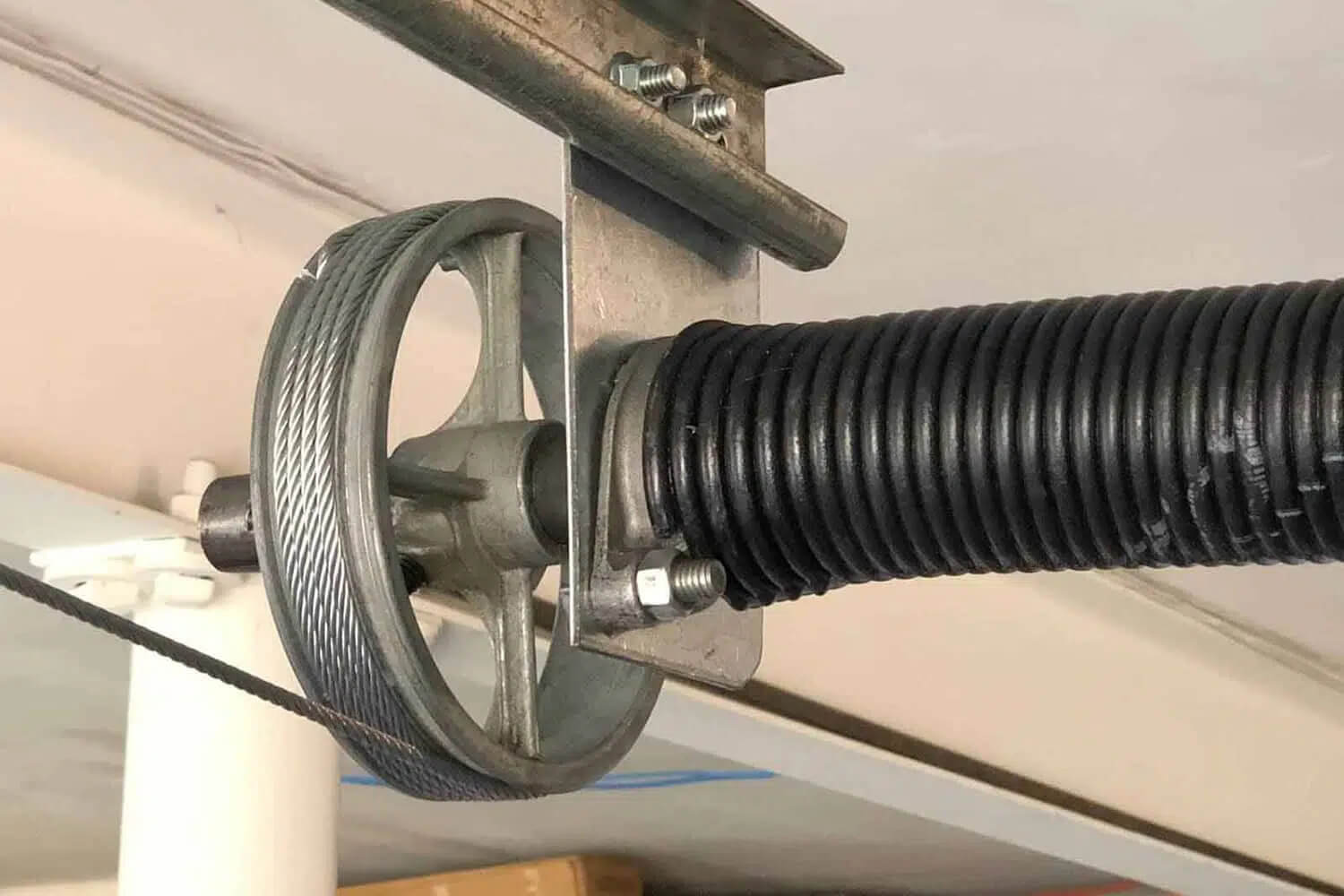
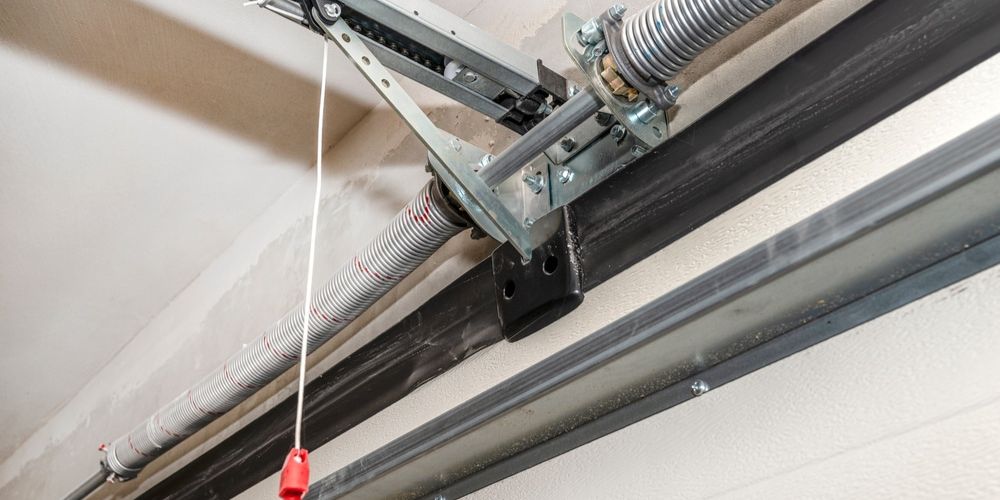
Torsion springs are known for their strength and durability and are typically mounted horizontally above the door. As the door closes, cables connected to the bottom of the door rotate drums that tighten the spring and build tension. When the door opens, the spring unwinds and delivers the force needed to raise the door evenly. Because of this precise balance, torsion springs must be closely matched to the size and weight of the door.
Extension springs work differently and are installed along the sides of the garage door tracks. As the door closes, these springs stretch and store energy. When the door opens, they contract and use a system of pulleys and cables to help lift the door upward. Choosing the correct extension spring, like any garage door spring, depends on the specific design, weight, and configuration of the door system.
Why Residential Garage Door Springs Wear Out Over Time
Every garage door spring has a limited lifespan, which is measured in cycles rather than years. One cycle represents a single opening and closing of the door. Most residential springs are designed to handle roughly 10,000 to 20,000 cycles, which often translates to about seven to fifteen years of use, depending on how frequently the garage door is operated. Over time, the repeated stretching or twisting of the metal causes fatigue, making the spring weaker and more likely to fail.
Environmental factors can accelerate this wear. Rust and corrosion are common issues that weaken steel coils and increase friction between them, raising the chance of sudden breakage. Without proper care, the coils can grind against one another, speeding up the deterioration process. The type of spring also plays a role, as torsion springs generally last longer than extension springs due to their design and method of operation.
As springs approach the end of their service life, subtle changes often appear. Visible rust, gaps in the coils, or unusual noises during door movement can signal that the spring is under stress. Recognizing these signs early can help address spring issues before a complete failure occurs, reducing the risk of disruption, garage off-track repair, or damage to the garage door system.
Recognizing a Broken Garage Door Spring at Home
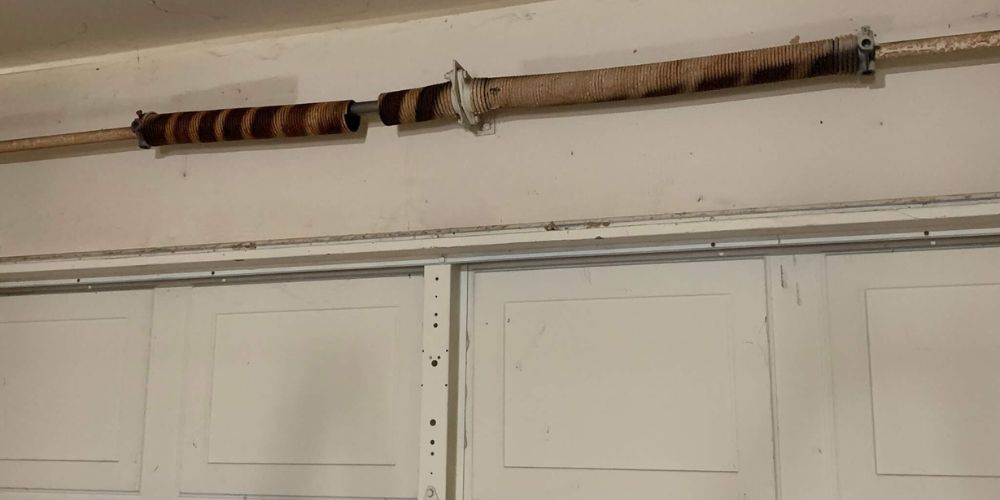
A broken garage door spring is often noticeable right away. Many homeowners report hearing a sudden, loud bang from the garage that resembles a firecracker or gunshot, which occurs when the spring finally gives way under extreme tension. With torsion spring systems, the break is usually visible as a clear gap in what should be a continuous, tightly wound coil. In homes with extension springs, the failure may appear as a spring hanging loosely along the side of the door, sometimes restrained by a safety cable designed to keep it from snapping across the garage.
Once a spring breaks, the garage door typically stops operating normally. The opener may still run, but the door itself will not lift because the opener is not designed to handle the full weight of the door without spring support. Forcing the system to operate in this condition can place excessive strain on the opener, damage door panels, or bend the tracks, leading to more serious problems throughout the entire door system.
To understand the right timing for addressing this issue, explore our blog titled “When Should Homeowners Schedule Spring Replacement?”
Changes in Garage Door Movement and Operation
In many cases, warning signs appear before a spring breaks completely, and those changes often show up in how the door moves. As a spring loses tension, it can no longer balance the weight of the door properly, which causes the opener and other components to work harder than they should. Over time, this added strain can accelerate wear across the entire system.
Common changes in garage door operation include:
- The door is struggling to open or close more quickly than normal, rather than moving in a smooth, controlled motion
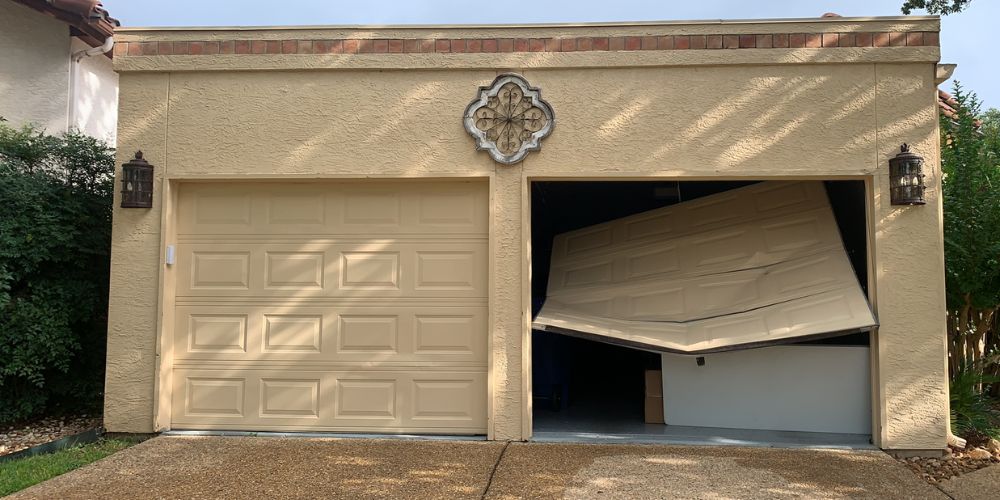
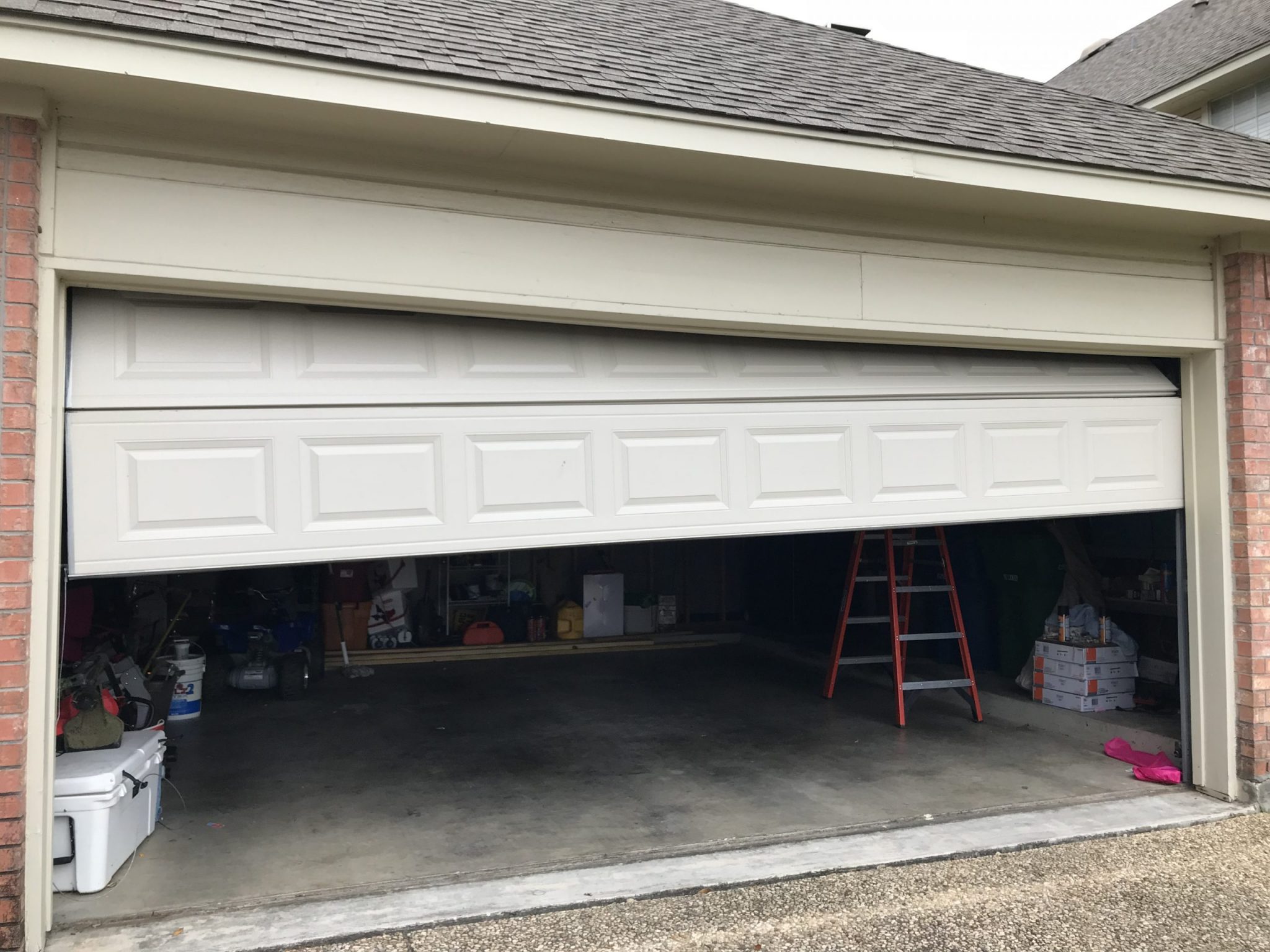
- Uneven or crooked movement as the door travels along the tracks, often caused by one spring weakening faster than the other
- A noticeably heavier feel when lifting the door by hand after disconnecting the opener
- The garage door opener motor sounds strained or overworked during operation.
These signs strongly suggest that a garage door spring is nearing the end of its service life. Ignoring them can lead to a complete system failure, which may affect the opener and other components and increase the scope of repairs required.
Noises and Visible Signs of Spring Failure
As garage door springs weaken, they often produce sounds or visual clues that signal a problem. Noises such as squeaking, creaking, or grinding during door operation can indicate that the coils are wearing down or rubbing against each other, particularly when corrosion increases friction. These sounds often appear shortly before a spring fails.
A visual inspection, performed only when the garage door is fully closed, may reveal additional warning signs, including:
- Visible gaps in a torsion spring, where the coil should appear tightly wound and continuous
- Rust or corrosion on the surface of the spring, which weakens the metal and reduces its ability to hold tension safely
These indicators should not be ignored. A heavily worn spring can break without warning, and when that happens, the garage door may lose its balance and drop suddenly. Noticing unusual sounds or visible damage early allows spring issues to be addressed before they create serious safety risks, require garage door cable repair, or cause further damage to the garage door system.

Knowing When to Replace a Residential Garage Door Spring
Knowing when a residential garage door spring needs replacement often begins with paying attention to subtle changes. You may notice the door moving unevenly, struggling during operation, or producing unfamiliar noises that were not there before. When a spring has already broken, the situation becomes clear very quickly, as the garage door will no longer operate safely or reliably until the spring is replaced. Ideally, however, spring issues are identified earlier, when signs such as visible wear, imbalance, or unusual sounds begin to appear. Addressing the problem before the door stops working altogether can prevent disruption and reduce the risk of being left with a garage door that cannot be used.
The urgency of spring replacement depends on several factors, including the size of the door and the type of spring system in place. Heavier doors place greater demand on their springs, so even a small loss of tension can lead to noticeable performance issues. Usage frequency also plays a role, as doors that open and close multiple times a day naturally place more stress on the springs. Understanding how these factors work together helps homeowners make informed decisions about spring replacement and supports the long-term performance of the entire garage door system.
For more insight into these triggers, take a look at our blog titled “What Makes Spring Replacement Necessary for Homes?”
Conditions That Make Garage Door Spring Repair Necessary
Certain conditions make garage door spring repair, which typically involves replacement, unavoidable. A fully broken spring is the most obvious example, as the door becomes extremely heavy and unsafe to operate. Continuing to use the garage door in this state can place excessive strain on the opener, tracks, and panels, leading to additional damage that may require broader garage door repair. In systems that use two springs, replacing both at the same time is often necessary because they have experienced the same amount of wear. Leaving one older spring in place can create an imbalance and increase the risk of another failure soon after.
A professional inspection can help determine when replacement is required. The table below outlines common conditions and the recommended response for each situation.
| Condition | Recommended Action |
| A loud bang is coming from the garage | Indicates a likely spring break and requires immediate attention to restore safe operation |
| The garage door appears crooked or uneven | Suggests uneven spring tension and needs inspection to identify the underlying issue |
| Visible rust or severe wear on the spring | Signals weakened metal and a higher risk of sudden failure |
| One broken spring in a dual-spring system | Replacing both springs helps maintain balance and reduces stress on the door |
Taking action when these conditions appear is essential for safety and long-term performance. Addressing spring issues promptly helps prevent a chain reaction of related problems and supports smooth, dependable garage door operation over time.
How Household Use Affects Garage Door Spring Longevity
In residential settings, how often you use your garage door has a direct impact on how soon a spring replacement becomes necessary, because spring lifespan is measured in cycles rather than years. One cycle represents a full opening and closing of the door, and most standard springs are designed to handle around 10,000 cycles, which can translate to more than a decade of use in households where the garage door is opened only a few times a day. In busier homes, however, those cycles add up quickly, especially when the garage serves as a primary entry point or multiple people are coming and going throughout the day. As daily use increases, the spring reaches the end of its cycle limit much sooner, creating a clear connection between frequent operation and earlier spring failure. While factors such as spring type and general upkeep can support longer performance, heavy use will always accelerate wear, making it important for high-traffic households to stay aware of early signs of spring fatigue and plan for replacement before a sudden breakdown occurs.
Knowing when it is time to replace garage door springs plays an important role in keeping the entire system safe and operating smoothly. Changes such as unusual noises or differences in how the door moves often point to spring-related issues, and recognizing these signs early can help prevent additional damage and avoid more extensive repairs. Monitoring how your garage door operates over time allows you to address worn components before they cause larger problems, helping the door open and close reliably. When there is uncertainty about the condition of a garage door spring or questions about replacement, seeking guidance from a qualified professional can provide clarity and help ensure the safety of your home.
When expert support is needed, Mojo Garage Door Service offers dependable solutions focused on safety, reliability, and long-term performance for residential garage doors. With experience handling a wide range of garage door spring issues, our team understands how important proper timing and accurate assessment are when replacement becomes necessary. Whether you are noticing early warning signs or dealing with a door that no longer operates correctly, we provide clear guidance and professional care every step of the way. Contact us today or give us a call to schedule an inspection and keep your garage door operating safely and smoothly.
Frequently Asked Questions
What determines whether a garage door spring replacement is suitable for a residential garage door?
A proper garage door spring replacement depends on matching the spring to the door’s specific requirements. Factors such as door size, door weight, and the existing spring type all play a role in selecting the correct garage door spring. Using a spring with the wrong tension can make the garage door difficult to operate and create safety concerns within the system.
Can a residential garage door still operate with a broken garage door spring?
A garage door should not be operated with a broken spring. The garage door spring carries most of the door’s weight, and without it, the opener is not designed to lift the door safely. Attempting to use the opener or lift the door manually can cause damage to the system and increase the risk of injury.
What commonly causes the need for garage door spring repair in residential homes?
The most common cause of garage door spring failure is normal wear from repeated use, as the steel gradually weakens with every opening and closing cycle. When regular maintenance is overlooked, friction between the coils increases and accelerates this wear, making failure more likely over time. Even with proper care, garage door springs are not designed to last indefinitely and will eventually need replacement to keep the system operating safely. For a deeper explanation of related issues and causes, this detailed guide from GharPedia provides helpful additional insight.
How long do residential garage door springs last before replacement is needed?
Garage door spring lifespan is measured in cycles rather than years. Most standard springs are rated for 10,000 to 20,000 cycles, which often translates to several years of use depending on how often the garage door is operated. Torsion springs typically last longer than extension springs, but factors such as door size, spring type, usage frequency, and regular maintenance all influence how long a spring will perform reliably.
What is the difference between torsion and extension systems in residential garage door spring replacement?
Torsion springs are mounted on a shaft above the garage door and use twisting force to lift and lower the door in a controlled manner. Extension springs are installed along the sides of the garage door tracks and work by stretching and contracting to move the door. This difference in placement and function affects how each system balances the garage door and how replacement is handled.
Are there warning signs before a broken garage door spring requires replacement?
Yes. A garage door may feel heavier than usual, move unevenly, or produce grinding or squeaking noises as a spring weakens. With torsion springs, visible gaps in the coils are a common sign of damage. For extension springs, excessive stretching or issues with the safety cables can indicate that the spring is under stress and nearing failure.
Does frequent household use increase the need to replace a garage door spring?
Frequent use significantly shortens the lifespan of a garage door spring because each opening and closing counts as a cycle. Homes with high daily garage door activity will reach the spring’s cycle limit faster than homes with lighter use. While regular maintenance and choosing the correct spring for the door can help, higher usage will still lead to earlier spring replacement.
Can a broken garage door spring affect other parts of the door system?
A broken garage door spring can quickly disrupt the entire system by placing excessive strain on components that are not designed to carry the door’s full weight. When this happens, everyday operation becomes unreliable, and safety concerns increase as other parts begin to compensate for the loss of spring support. Understanding how a failed spring affects overall performance can help homeowners recognize why timely attention matters, and this overview from HomeServe offers a clear explanation of the issues that often follow spring failure.
Is garage door spring replacement different for older residential garage doors?
Spring replacement can be more complex on older garage doors, especially those using outdated spring designs or lacking modern safety features. Older systems may rely on extension springs without safety cables, and finding compatible replacement parts can be more challenging. In some cases, evaluating the overall condition of the garage door helps determine whether spring replacement alone is appropriate or if broader updates are needed for safe operation.