The garage door spring is one of the most important parts of the entire garage door system, handling the heavy lifting each time the door opens or closes. Its role is to support the door’s weight, allowing it to move smoothly and remain properly balanced during operation. When the spring is functioning as it should, the garage door operates with control and stability, placing less strain on the rest of the system.
When a spring breaks, however, the issue goes far beyond a simple inconvenience. A broken garage door spring can disrupt how the entire system works, creating serious safety concerns and increasing the risk of additional damage if left unaddressed. Understanding the consequences of neglecting this problem makes it clear why timely garage door spring repair & replacement matters, not only for restoring normal operation but also for maintaining safety and preventing further complications.
How a Broken Garage Door Spring Affects Residential Door Operation
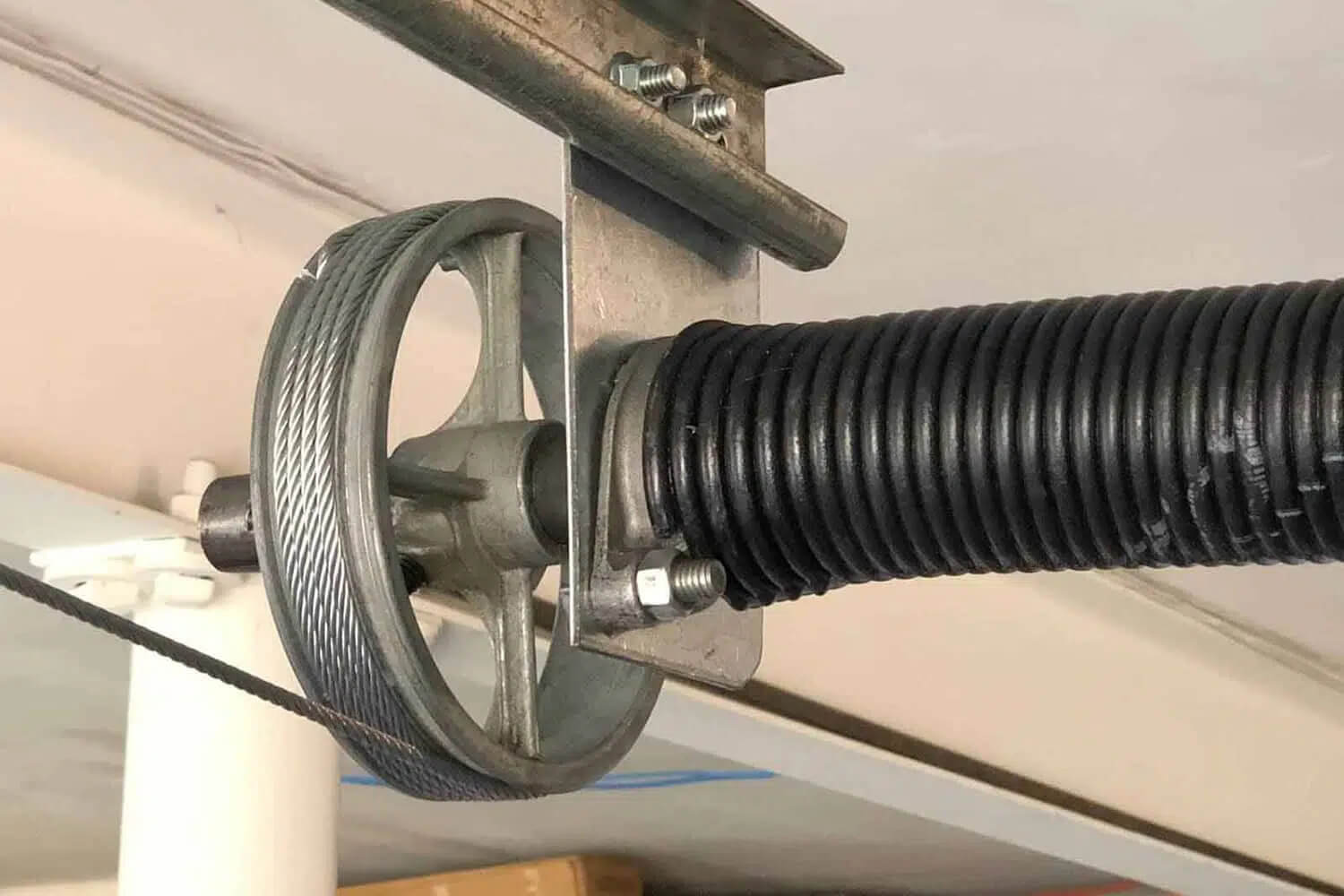
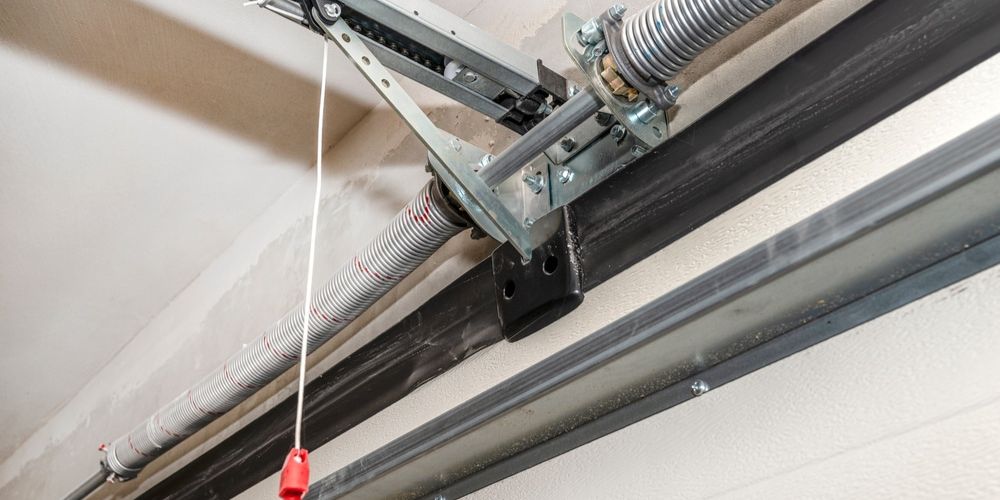
Residential garage doors rely on either torsion springs or extension springs to support their weight and allow smooth movement. These springs are designed to offset the door’s heaviness, making it feel manageable whether it is opened by hand or with an automatic opener. Regardless of the spring type, their purpose is the same: to keep the door balanced and easy to operate. When a spring breaks, that support disappears instantly, shifting the full weight of the door onto other parts of the system that were never meant to carry it.
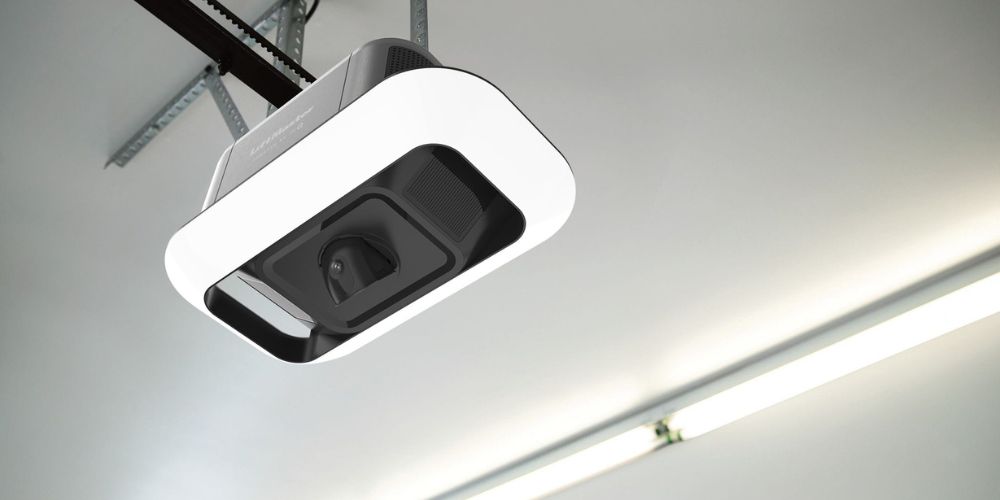
This sudden loss of support has a major impact on how a residential garage door functions. The garage door opener is designed to guide the door along its tracks, not to lift the entire weight on its own. When a broken spring is involved, attempting to open or close the door can place excessive strain on the opener motor, damage door panels, and stress multiple components at once. Over time, this can compromise the entire system, which is why spring failure often leads to the need for professional garage door repair. Understanding how this imbalance affects both movement and performance helps explain why garage doors behave so differently after a spring breaks.
For a deeper look at when action becomes necessary, see “Residential Garage Door Spring Replacement: When Is It Needed?”.
Loss of Balance and Difficulty Opening or Closing the Door
The primary role of a garage door spring is to counterbalance the weight of the door so it can open and close with minimal effort. When the spring is properly matched to the door, the system operates smoothly, whether controlled manually or by an automatic opener. Once the spring breaks, however, that balance is lost, and the door immediately becomes much heavier than it should be, often making it difficult or impossible to lift.
This imbalance is usually the first sign homeowners notice after a spring failure. The opener may struggle to raise the door or stop partway through its cycle, while manual lifting quickly reveals just how heavy the door truly is. With heavier residential doors, such as those made of wood or insulated steel, the problem becomes even more pronounced. Attempting to force the door open in this condition increases the risk of injury and can cause further damage to the door and its components.
Ultimately, a garage door with a broken spring cannot function as intended. The system depends on a proper balance to operate safely and efficiently, and the spring plays the central role in maintaining that balance. When it fails, the opener and other components are pushed beyond their limits, which often leads to additional breakdowns. Addressing the issue promptly helps prevent further damage and reduces the likelihood of more extensive repairs later on.
Why Residential Garage Doors Stop Functioning Properly After Spring Failure
A residential garage door stops working properly after a spring breaks because the system loses its lifting support. Garage door openers are engineered to move a door that is already balanced by a functioning spring, not to carry the door’s full weight. Once that balance is gone, the opener is forced to compensate, which can lead to overheating, stripped gears, or failure of the belt or chain.
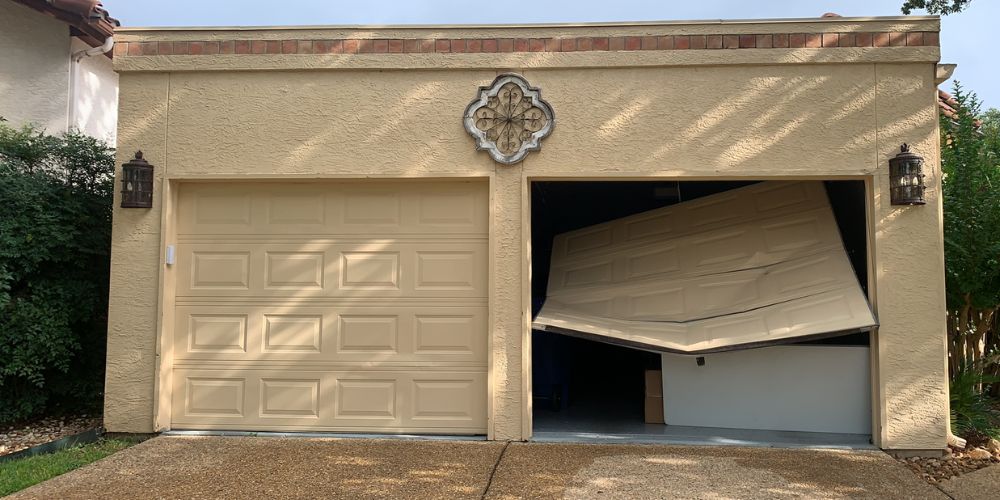
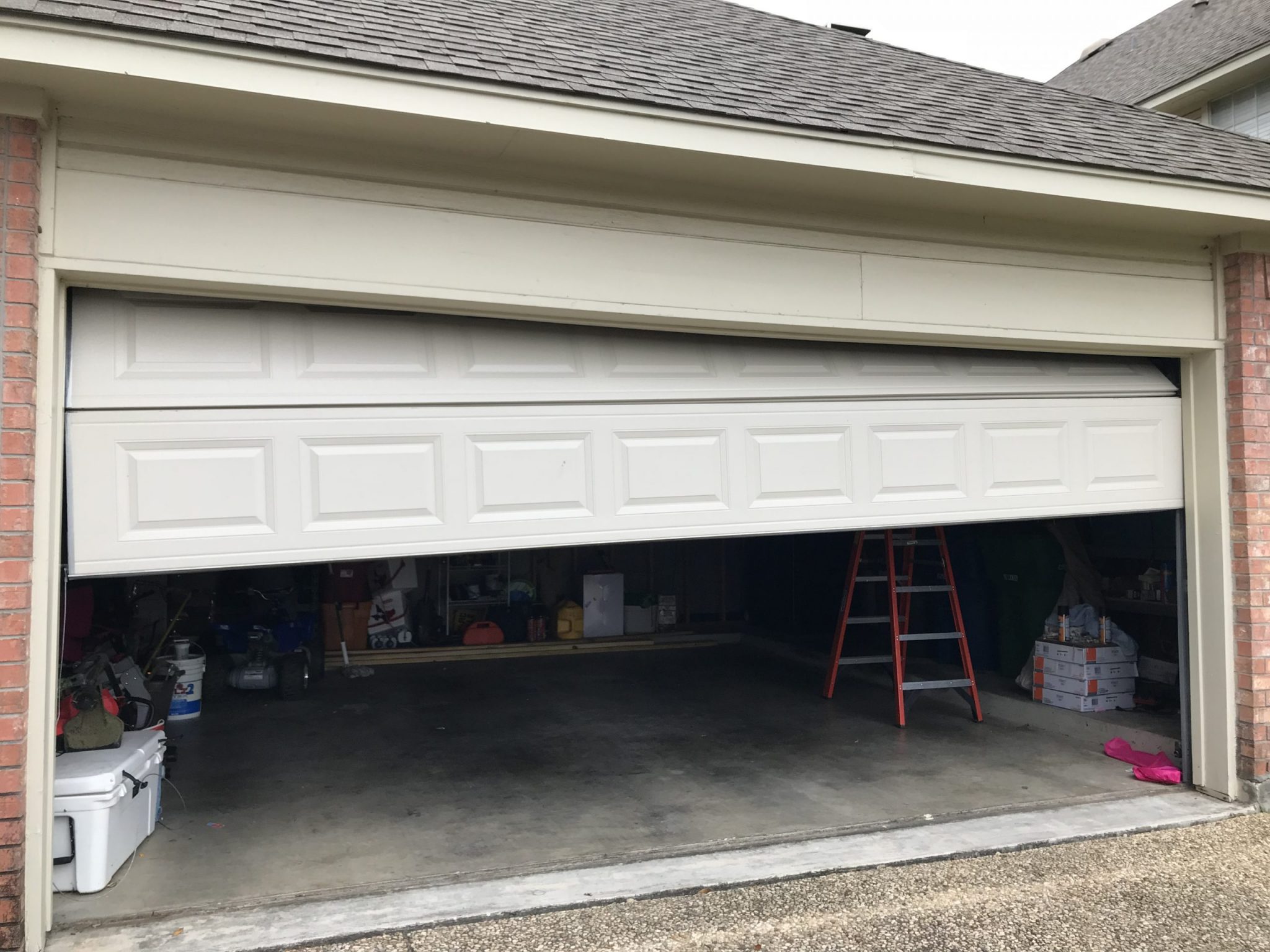
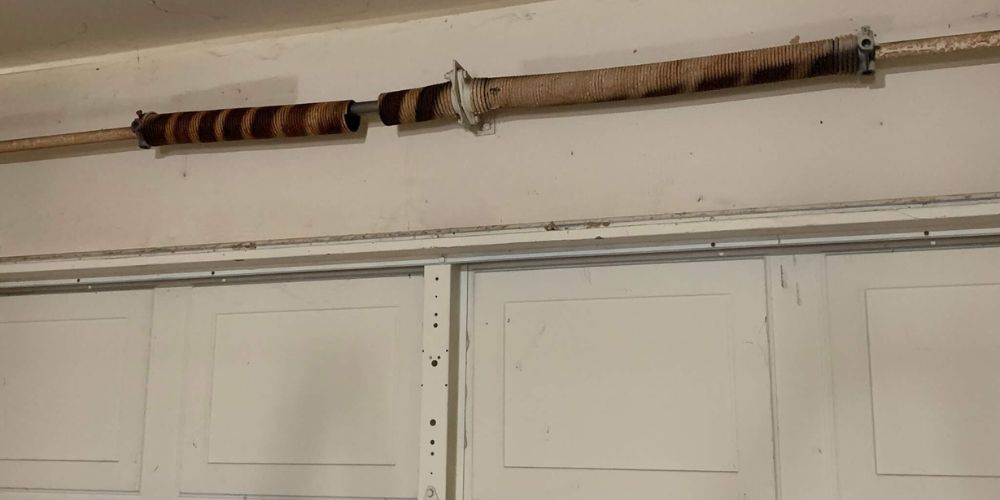
The effects of spring failure can vary depending on the type of spring installed. When a torsion spring breaks, the door typically becomes completely inoperable. In systems that use two extension springs, a single break can cause the door to lift unevenly, hang at an angle, or bind within the tracks. In either case, continued use places excessive stress on both the opener and the door itself, increasing the risk of widespread damage.
Operating a garage door with a broken spring often turns a single problem into a series of larger issues. The garage door system is designed to work as a unit, and when one critical component fails, the rest cannot perform as intended, sometimes leading to the need for garage off-track repair as added strain affects alignment and movement. Addressing spring failure early helps restore proper function and prevents unnecessary stress on other parts of the system, allowing the garage door to operate smoothly and safely once again.
Safety and Mechanical Risks of Delaying Garage Door Spring Repair
Ignoring a broken garage door spring is never a minor issue, as it can quickly put people at risk and lead to serious mechanical problems. A garage door with a failed spring may behave unpredictably or lose its ability to stay securely in place, increasing the chance of sudden movement or collapse. Each time someone walks near or beneath the door, the potential for injury grows, making delayed attention to the problem a significant safety concern rather than a simple inconvenience.
Spring failure also affects far more than a single component. Once the spring breaks, the added stress shifts to the rest of the garage door system, placing extra strain on cables, rollers, tracks, and the opener itself. If the issue is left unresolved, this ongoing pressure can cause additional damage that worsens over time. What might have started as a straightforward repair can escalate into extensive system failure, sometimes necessitating a complete replacement due to accumulated stress across multiple components.
For guidance on timing and prevention, read “When Should Homeowners Schedule Spring Replacement?”
Increased Safety Hazards Inside and Around the Home
One of the most important reasons to address a broken garage door spring promptly is the significant safety risk it creates inside and around the home. Garage doors are heavy, and the spring is responsible for supporting that weight during normal operation. When the spring fails, the door loses its primary support, creating an unstable condition that standard opener safety features are not designed to manage.
Without a functioning spring, the garage door can behave in ways that are dangerous and unpredictable. Common safety hazards include:
- Sudden door collapse: The door may fall without warning, potentially causing serious injury or damage to anything beneath it.
- Uncontrolled movement: When one spring fails while another remains intact, the door can slam shut or move unevenly, increasing the risk of accidents.
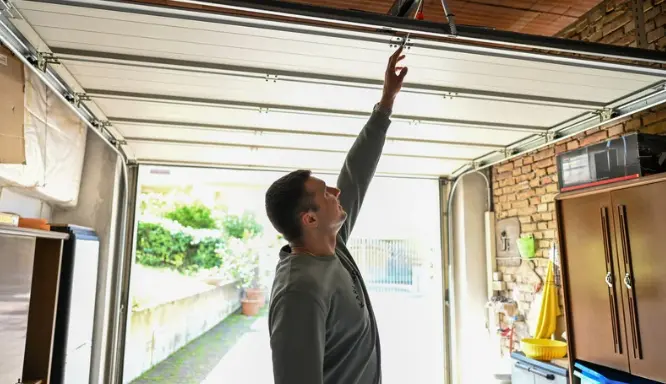
- Risk from manual lifting: Attempting to lift the door without spring support places significant strain on the body and can lead to muscle or back injuries.
These risks can turn an everyday household system into a serious danger. A garage door is designed to operate safely, but once a spring breaks, that safety is compromised, placing everyone in the household at greater risk if the issue is left unresolved.
Additional Strain Placed on Other Garage Door Components
A broken garage door spring rarely affects only the spring itself. The garage door system depends on balance, and when that balance is lost, other components are forced to compensate for the missing support. Because these parts are not designed to handle the door’s full weight, they begin to wear down much faster.
The garage door opener often suffers first, as it attempts to lift a door that is no longer properly balanced, which can damage the motor or internal mechanisms. Lifting cables may also stretch or fray under excessive tension, increasing the risk of sudden failure. At the same time, an unbalanced door can pull unevenly along the tracks, causing rollers to wear out prematurely or slip out of position, which may lead to bent or damaged tracks.
What starts as a single broken spring can quickly escalate into multiple system failures if left unattended. As added strain spreads through the system, components such as lifting cables may begin to wear or fail, increasing the likelihood of needing garage door cable repair along with other corrective work. Addressing the spring issue early helps protect the rest of the garage door system and keeps it operating safely and reliably.

Long-Term Residential Damage Caused by Postponing Spring Replacement
Delaying a garage door spring replacement can cause lasting damage to the entire garage door system. When a spring breaks, the issue does not remain isolated, as the added strain immediately spreads to other components that rely on proper balance to function correctly. Over time, this extra stress accelerates wear throughout the system, turning a single failed spring into a series of mechanical problems that continue to build.
As this damage accumulates, the overall lifespan of the garage door system is reduced. What might have been a straightforward repair can grow into a much larger project, and in severe cases, extensive damage leaves replacement as the only option. Waiting to address a broken spring often leads to greater long-term consequences, as ongoing strain causes more components to fail than would have been affected with timely attention. Understanding how this damage develops helps explain why postponing spring replacement can create far-reaching issues.
For more insight into the underlying causes, explore “What Makes Spring Replacement Necessary for Homes?”
Gradual System Wear That Leads to the Need to Replace a Garage Door Spring
Garage door springs are designed to handle a limited number of opening and closing cycles, and over time, the metal naturally weakens under repeated use. As the spring approaches the end of its lifespan, signs of strain may appear, and once the spring finally breaks, wear on the rest of the system increases rapidly. Continued operation without proper spring support places excessive stress on other parts every time the door moves.
A garage door system functions much like a coordinated team, with each component depending on the spring to handle the heaviest load. When the spring fails, the opener, cables, pulleys, and rollers are forced to take on work they were never designed to manage. This added responsibility causes these components to wear out faster, increasing the likelihood of multiple failures rather than a single repair.
Addressing spring issues promptly helps prevent this chain reaction of damage. When spring failure is ignored, and the door continues to be used, the system deteriorates at a much faster rate, often leading to the need for comprehensive garage door repair to correct multiple affected components. Acting early preserves the integrity of the garage door system and helps avoid the long-term consequences that come with prolonged strain on its components.
How Ongoing Neglect Can Affect Garage Door Spring Replacement Cost Over Time
Neglecting a broken garage door spring can have a serious financial impact, which is one of the strongest reasons to address the problem promptly. While the cost of replacing a spring on its own is relatively manageable, that expense can rise quickly once additional damage begins to spread through the system. What starts as a single repair can expand to include issues such as damaged cables, bent tracks, or a failing opener, turning the situation into a collection of separate repairs rather than one contained fix. Data from market studies and industry sources show that a standard spring replacement is predictable in scope, but once neglect leads to secondary failures, the total expense increases substantially as each additional repair brings its own material and labor costs. When these added repairs are combined, the final amount can more than triple compared to addressing the spring early, making it clear that delaying action often transforms an affordable solution into a major and avoidable expense.
Ignoring a broken garage door spring can lead to a range of serious problems that affect both safety and performance, as the door loses its balance and becomes more difficult to operate, increasing the risk of accidents. As the system continues to run without proper spring support, added strain is placed on other components, which can cause more extensive damage and lead to higher replacement needs over time. Understanding these risks makes it clear why addressing spring issues early is important for protecting the condition of the garage door and the parts that support it. When signs of trouble appear, seeking assistance from a knowledgeable professional helps restore safe operation and provides lasting peace of mind.
For homeowners looking for dependable support, Mojo Garage Door Service is known for delivering attentive, professional care focused on long-term safety and reliable performance. Our team understands the importance of addressing spring issues promptly and approaches every service call with precision and attention to detail. If your garage door is showing signs of spring trouble, now is the right time to take action. Contact us today or give us a call to schedule an inspection and keep your garage door operating safely and smoothly.
Frequently Asked Questions
What happens to the garage door system when only one spring is working?
When only one spring is functioning in a dual-spring system, the garage door becomes unbalanced and unstable. The remaining spring is forced to handle more weight than it was designed for, which often leads to rapid failure. The door may lift unevenly, bind in the tracks, or appear crooked, increasing stress on panels, tracks, and other components.
What warning signs suggest a broken garage door spring may be developing?
Early warning signs often appear before a spring fully breaks. The door may feel noticeably heavier when lifted by hand, move unevenly during operation, or produce creaking or grinding noises as the spring struggles to support the weight. In torsion systems, visible gaps in the spring coils can indicate loss of tension, while a sudden loud bang usually signals that the spring has already failed.
Can a broken garage door spring cause damage to the garage door opener?
Yes, a broken spring can place significant strain on the garage door opener because openers are built to guide a balanced door rather than carry its full weight. When the spring fails, the opener motor is forced to compensate, which increases stress on internal components and can lead to overheating, gear wear, or failure of the chain or belt over time. This type of prolonged strain often results in broader system damage, a risk also highlighted by Men’s Journal when discussing how mechanical issues can escalate if early warning signs are ignored.
What can happen if a garage door suddenly drops because of spring failure?
A sudden drop caused by spring failure can lead to severe consequences. Anything beneath the door is at risk of serious injury or damage, and the impact can crack door panels, damage flooring, or harm nearby property. This type of failure highlights the danger of continuing to use a garage door with a broken spring.
Does a broken garage door spring affect the door’s alignment over time?
Yes, spring failure can cause long-term alignment problems. When one spring breaks, the door may lift unevenly and lean to one side, placing extra stress on rollers and tracks. Over time, this uneven movement can cause rollers to slip out of place or tracks to bend, making the system increasingly difficult to operate correctly.
Can neglecting garage door spring repair shorten the lifespan of the entire system?
Neglecting spring repair can significantly shorten the life of the garage door system. Without proper spring support, components such as the opener, cables, rollers, and tracks are forced to work harder than intended. This accelerated wear often leads to multiple failures, turning a single spring issue into widespread system damage.
Why does the garage door feel much heavier when a spring is broken?
A garage door feels much heavier after a spring breaks because the spring is no longer offsetting the door’s weight. Springs are designed to carry most of the load, making the door feel light during operation. Once that support is gone, the full weight of the door must be lifted directly, which is why the door suddenly feels extremely heavy and difficult to move.
Can a broken garage door spring prevent the door from opening or closing properly?
Yes, a broken spring often prevents the garage door from operating correctly because the door becomes too heavy for the opener to lift safely. This added weight can cause the motor to strain or shut down altogether, interrupting normal operation and increasing the risk of further damage. In systems that rely on two extension springs, the failure of one spring can lead to uneven lifting, which may cause the door to jam or stop completely, creating an unsafe situation for everyday use. These issues are also discussed by Liberty Home Guard, which explains how spring failure commonly leads to garage doors that will not open or close properly.
How can delaying garage door spring replacement impact long-term system condition?
Delaying spring replacement allows damage to spread throughout the garage door system. Continued operation without proper spring support increases wear on critical components, reducing the system’s overall lifespan. Over time, this neglect can turn a single repair into extensive damage that may require full system replacement, resulting in greater disruption and long-term consequences.