
Your garage door is one of the largest and heaviest moving parts in your home, and its smooth operation depends almost entirely on the springs that support its weight each time the door opens or closes. Although these springs are small and often out of sight, they play a critical role in keeping the entire garage door system functioning properly. With daily use and constant exposure to changing weather conditions, garage door springs gradually wear down over time, which makes spring replacement an inevitable part of owning a residential garage door.
Understanding when and why garage door spring repair & replacement become necessary helps protect both the safety and security of your home. Addressing spring-related issues promptly ensures the door continues to operate as it should, without placing unnecessary strain on other components within the system. When a damaged spring is left unattended, the door may become difficult or impossible to use, and the risk of injury to those in the home increases significantly. For these reasons, staying aware of the condition of your garage door and its springs is essential for maintaining a dependable, secure, and smoothly functioning entry point.
Residential Garage Door Spring Repair and Replacement Explained
When a garage door spring fails, replacement is almost always required. Unlike many other garage door components that can sometimes be adjusted or restored, springs are designed to be replaced once they break or wear down beyond their working limit. A damaged or heavily worn spring cannot safely perform its job, and attempting to restore it instead of replacing it can put unnecessary strain on the entire system.
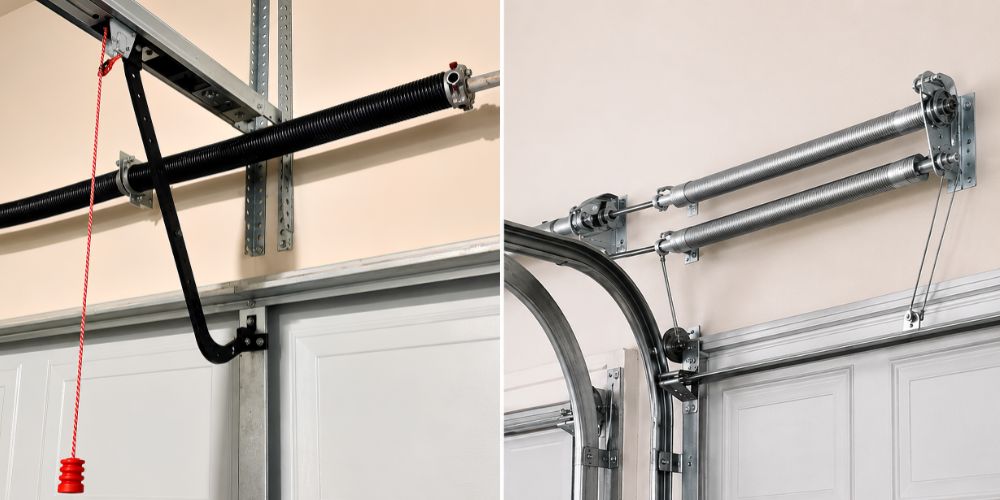
The process involved in garage door spring replacement depends largely on the type of spring installed on the door. Residential garage doors typically rely on one of two systems: torsion springs or extension springs. Each type operates differently and plays a specific role in lifting and lowering the door. Identifying which spring system your garage door uses is an essential starting point, as it determines how the door functions and what is required to restore proper operation.
For a deeper look at how spring types influence timing and safety, explore Residential Garage Door Spring Replacement: When Is It Needed?
The Role of Garage Door Springs in Residential Door Operation
Garage door springs serve a single but essential purpose: they counterbalance the weight of the door. Most residential garage doors are extremely heavy, often weighing hundreds of pounds, far more than a person or a standard garage door opener could lift on its own. Springs store mechanical energy, either by twisting or stretching, which offsets that weight and allows the door to move smoothly and with minimal effort.
When the springs are working correctly, the garage door opener only guides the door rather than lifting its full weight. If a spring fails, the system loses this balance immediately. The opener is forced to carry a load it was never designed to handle, increasing the risk of motor failure, while manual operation becomes difficult or impossible. In this way, garage door springs are fundamental to both the safety and reliability of residential garage door systems.
Common Spring Systems Found in Residential Garage Doors
Most residential garage doors rely on one of two spring systems, each designed to store energy in a different way. Understanding these systems helps clarify how garage doors function and why spring replacement becomes necessary over time.
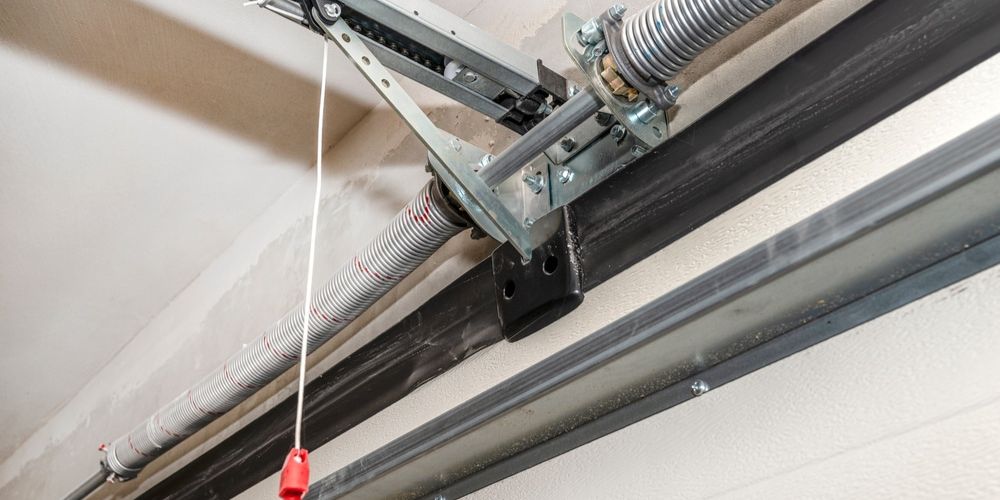
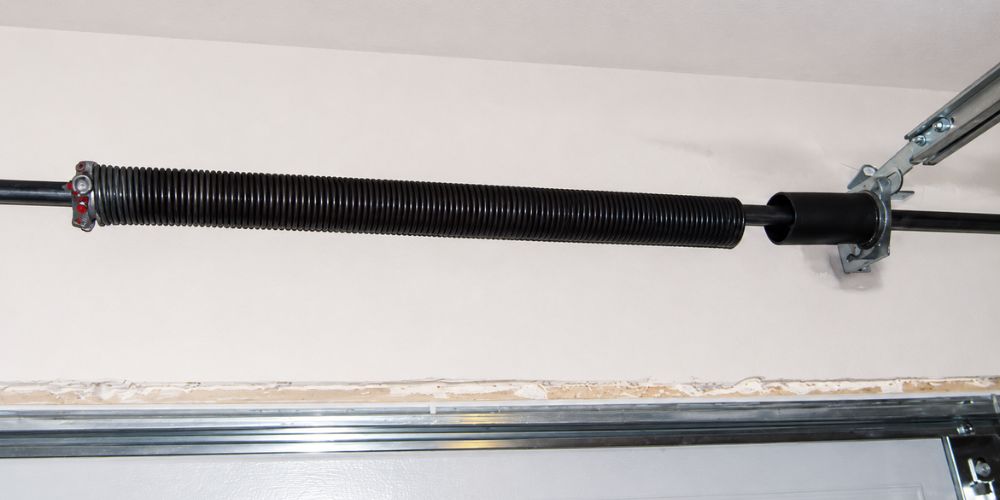
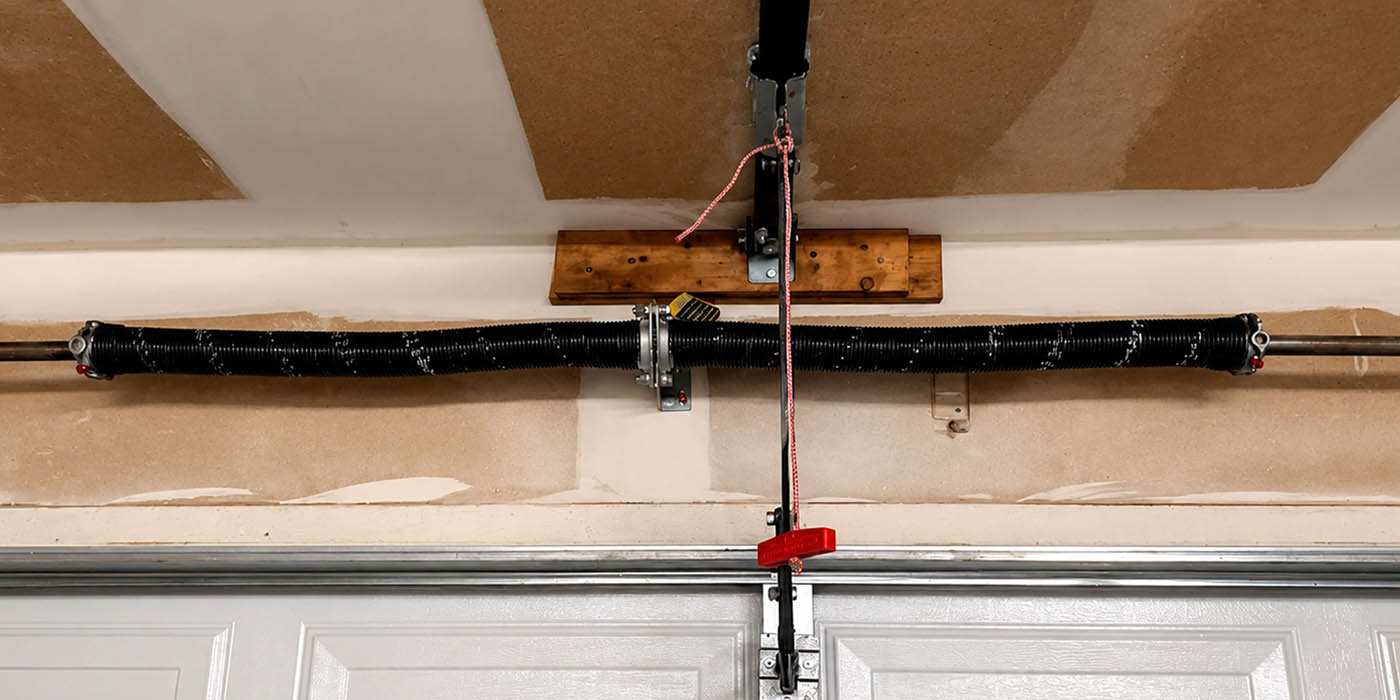
Torsion springs are mounted on a steel shaft above the garage door opening. As the door closes, the springs twist tightly around the shaft, storing energy that is gradually released as the door opens. This controlled motion provides smooth and even lifting, making torsion springs well-suited for heavier residential doors, including double-width and wood doors. Their location above the door also keeps the spring system contained and stable.
Extension springs are installed along both sides of the garage door, running parallel to the tracks. These springs stretch as the door closes and contract as it opens, using tension to assist with lifting and guiding the door’s movement. They are more commonly found on older or lighter single garage doors, where proper alignment is critical to smooth operation. When extension springs fail or lose tension, the door can shift unevenly, increasing the likelihood of track issues and the need for garage off-track repair to restore safe and proper movement.
You will typically encounter the following types of garage door springs in residential systems:
- Torsion Springs
Mounted on a steel rod above the garage door opening, torsion springs twist to store energy and release it in a controlled way as the door opens. This design supports smooth operation and is commonly used for heavier residential garage doors. - Extension Springs
Installed along each side of the garage door near the tracks, extension springs stretch to create tension and help lift the door. These are often found on lighter or older residential garage doors and rely on consistent tension to function properly.
Both spring systems play a critical role in daily garage door operation, and when either type reaches the end of its service life, replacement becomes necessary to keep the door working safely and reliably.
When Garage Door Spring Replacement Is Necessary for Homes
Knowing when garage door spring replacement becomes necessary plays an important role in keeping your garage door operating properly and your home secure. Garage door springs are designed to handle a limited number of opening and closing cycles, with each movement counting toward that total. As the springs approach the end of their service life, failure becomes more likely, and in many cases, it happens suddenly, often announced by a loud noise coming from the garage as the spring breaks under tension.
In some situations, warning signs appear before a complete failure occurs. Visible gaps between the coils of a torsion spring are a common indicator that the spring has lost its tension and can no longer support the door correctly. For residential garage doors, recognizing these early signs allows homeowners to address the issue before the door becomes unsafe or inoperable. Understanding what to look for makes it possible to plan for spring replacement before a minor issue turns into a more serious problem.
To understand the risks of waiting too long, read What Are the Disadvantages of Neglecting a Broken Spring?
Signs of a Broken Garage Door Spring in Residential Properties
A broken garage door spring is often easy to identify, especially when it fails suddenly. Many homeowners first notice a sharp bang coming from the garage, which is the sound of the spring snapping under stress. Once this occurs, the spring is no longer able to support the door.
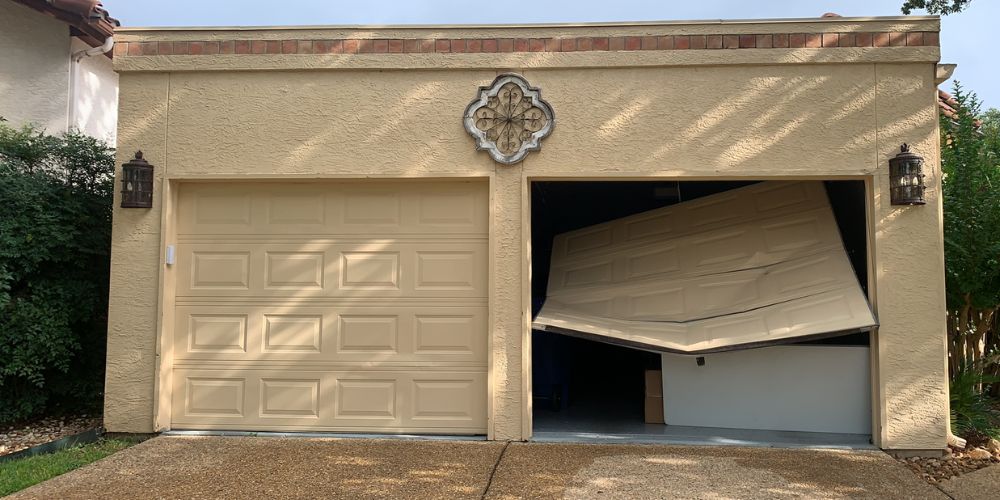
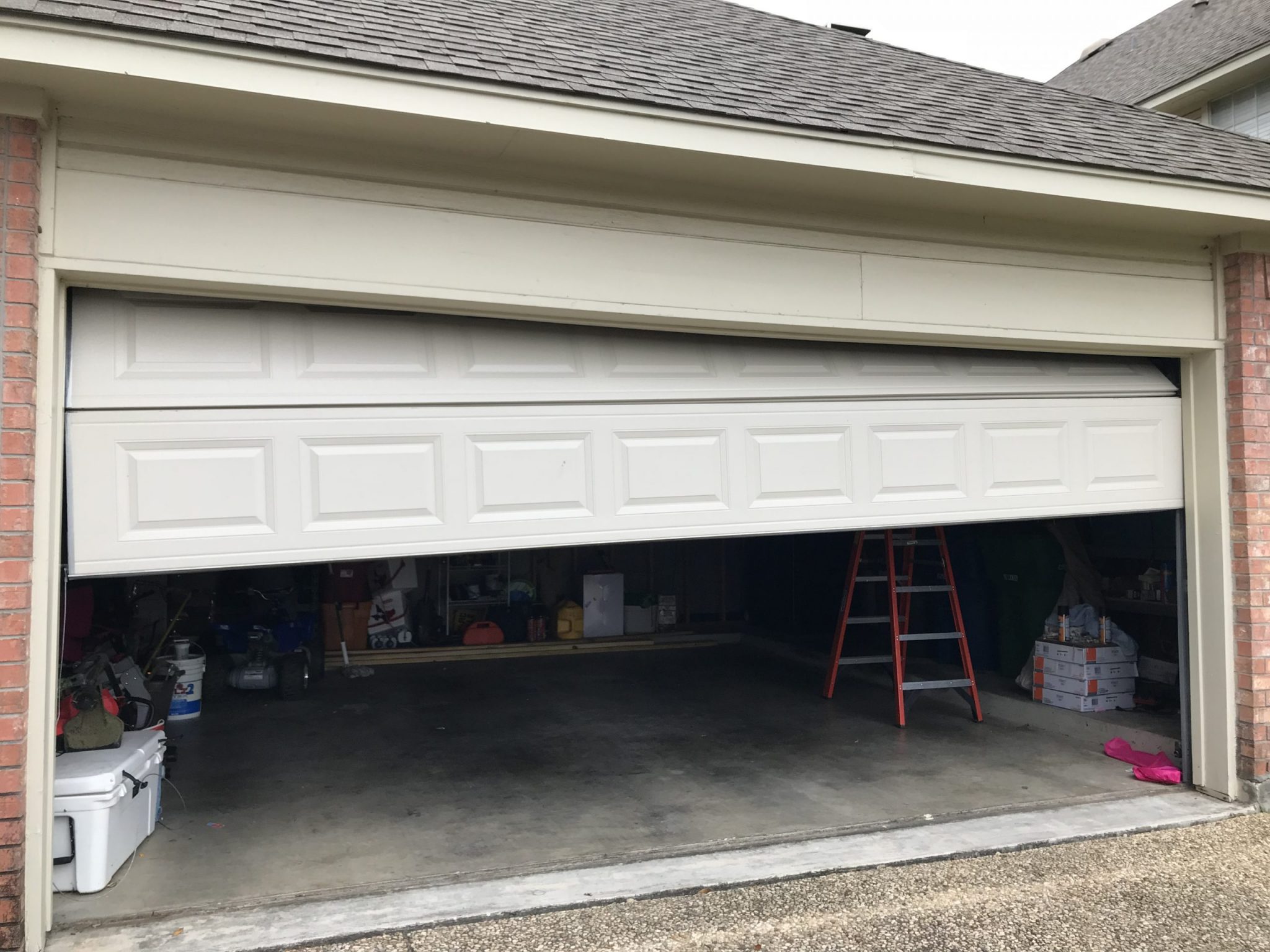
Visual inspection can also reveal clear signs of spring failure. On a torsion spring system, a noticeable gap of several inches in the coil usually marks the point where the metal broke. With extension spring systems, a spring may appear stretched out, hanging loosely, or accompanied by slack or uneven cables along one side of the door. Each of these conditions signals that the garage door system is no longer functioning as it should.
Problems often become even more apparent when attempting to operate the door. A door that feels unusually heavy, struggles to open, or fails to move at all may be dealing with a spring-related issue. Common warning signs include:
- One corner or section of the garage door is hanging lower than the other
- The door lifts only a few inches before dropping back down
- The opener motor runs while the door remains in place
Any of these signs suggests that the garage door spring, or a related component, is no longer doing its job correctly.
Situations Where Homeowners Need to Replace a Garage Door Spring
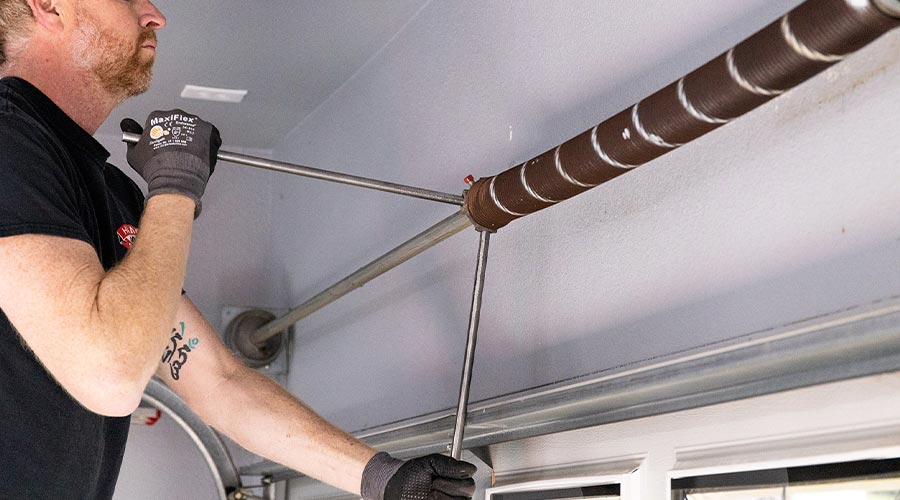
Garage door spring replacement becomes immediately necessary when a spring breaks. Operating a garage door with a broken spring is not only difficult but also unsafe, as the spring is responsible for supporting much of the door’s weight. Without that support, the door can drop unexpectedly, creating a serious risk of injury or property damage.
For garage doors equipped with two springs, which is common for wider or heavier residential doors, replacing both springs at the same time is often recommended even if only one has failed. Springs installed together experience the same level of use, meaning that when one breaks, the other is usually close to the end of its lifespan as well. Continuing to rely on the remaining spring places added stress not only on that spring but also on the lifting cables, increasing the likelihood of cable damage and the need for garage door cable repair shortly afterward.
Installing a matched set of new springs helps restore proper balance to the garage door and supports smooth, reliable operation. This approach reduces strain on the rest of the system and helps prevent additional issues down the line. Clear indicators that spring replacement is needed include:
- A visible break or separation in the spring
- A garage door that appears crooked or refuses to open
- A dual-spring system where one spring has already failed
Recognizing these conditions early helps maintain a safer, more dependable garage door system for residential homes.
Why Delaying Garage Door Spring Repair Causes Problems
Delaying a necessary garage door spring replacement often allows a manageable issue to escalate into a series of larger problems. When a broken spring is left unaddressed, and the door continues to be operated, excessive strain is placed on other parts of the garage door system. The opener motor, which is designed to guide movement rather than lift the full weight of the door, is forced to work far beyond its intended capacity. Over time, this added stress can lead to premature motor failure and broader system damage.
As the strain spreads, additional components may begin to suffer. An unbalanced door can move unevenly, placing pressure on the tracks and causing them to bend or shift out of alignment. Door panels may warp under uneven weight, and lifting cables can fray or snap as they struggle to compensate for the loss of spring tension. What begins as a straightforward spring issue can quickly affect the structure and performance of the entire garage door, making restoration far more complicated than it needs to be.
To learn more about the right timing for preventive action, read When Should Homeowners Schedule Spring Replacement?
Safety and Access Concerns from a Broken Garage Door Spring
Beyond mechanical damage, a broken garage door spring presents serious safety concerns. Once the spring fails, the door becomes extremely heavy and difficult to control, often weighing several hundred pounds. Without proper support, the door can drop suddenly and without warning, creating a significant risk of injury to anyone nearby. For this reason, operating a garage door with a broken spring is unsafe, whether by hand or with an automatic opener.
Garage door springs themselves store a large amount of tension, and handling them improperly can be dangerous. Both torsion and extension springs can release that force suddenly if they are not managed correctly, posing a risk to anyone attempting to work around them. Restoring safe operation requires experience and an understanding of how the entire system works together.
Having the issue properly addressed through timely garage door repair restores balance to the system and ensures that all components are working together as intended. This focus on safety and system integrity helps protect the home, prevents unexpected access issues, and reduces the likelihood of further damage or injury in the future.
Long-Term Effects of Postponing Residential Garage Door Spring Replacement
Putting off a residential garage door spring replacement can trigger a domino effect of mechanical problems that spread throughout the entire system. When a spring fails, the garage door opener is forced to lift the full, unsupported weight of the door, which places extreme strain on the motor and can lead to premature burnout, a far more serious issue than the original spring failure. As the door continues to operate without proper balance, its movement becomes uneven and abrupt, increasing pressure on the tracks, rollers, and lifting cables while also putting the door panels at risk of warping or cracking. What begins as a broken spring can therefore progress into bent or damaged tracks, snapped cables, compromised panels, and, in severe cases, the need for a complete door replacement rather than a straightforward repair. Although regular maintenance may reveal wear before a spring breaks, once failure occurs, the consequences of delay are unavoidable, as every additional use places greater stress on surrounding components and steadily increases the scope and cost of garage door spring repair issues.
When it comes time to address garage door spring concerns, having a dependable service provider makes all the difference. Mojo Garage Door Service is known for its attentive approach, clear communication, and focus on keeping residential garage doors operating safely and smoothly. Our experience with spring systems allows homeowners to feel confident that issues are identified accurately and handled with care, helping prevent future complications and restore reliable operation. If your garage door isn’t performing as it should or you have questions about spring replacement, contact us today or give us a call to schedule an evaluation and keep your home secure with a garage door you can trust.
Frequently Asked Questions
Why are both springs sometimes addressed during garage door spring replacement in homes?
When one spring fails in a dual-spring system, the remaining spring has already experienced the same level of wear. That second spring is often close to failure and under increased stress once its pair breaks. Addressing both springs at the same time restores proper balance and helps the garage door operate evenly, reducing the likelihood of additional issues shortly after replacement.
What affects the timeframe for garage door spring repair in San Antonio residences?
The time required for garage door spring repair depends on factors such as the type of spring system, the condition of surrounding components, and how accessible the setup is. Doors with more complex systems or additional wear may require more time to address properly. Local conditions and scheduling availability can also influence how quickly the repair can be completed.
Can a garage door operate safely with a broken garage door spring?
A garage door cannot operate safely with a broken spring because the springs are responsible for supporting most of the door’s weight, and once one fails, the door becomes unstable and extremely heavy. Continued operation places stress on the entire system, increasing the risk of sudden door movement, mechanical damage, and potential injury to anyone nearby. For a deeper explanation of why a broken spring creates serious safety concerns, this article from HomeServe offers helpful insight into what happens when spring issues are ignored.
What causes garage door springs to wear out faster in residential settings?
Spring wear accelerates due to frequent use, heavier door weight, and environmental exposure. Doors that are opened and closed many times each day place repeated stress on the springs, while heavier doors increase the load with every cycle. Moisture, rust, and lack of proper system balance also contribute to faster deterioration over time.
How does a broken garage door spring affect a door’s balance and movement?
A broken spring causes the door to lose its counterbalance, making movement uneven and difficult. The door may tilt, bind in the tracks, or feel unusually heavy when lifted. This imbalance strains other components and can lead to further system damage if not addressed promptly.
Do single and double garage doors have different garage door spring replacement needs?
Single and double garage doors require different spring setups due to differences in size and weight. Double doors are wider and heavier, which typically requires stronger springs or multiple springs to maintain proper balance. Single doors place less demand on the system and use lighter spring configurations designed for their specific load.
How does door weight contribute to the need to replace a garage door spring?
Door weight directly affects how hard a spring must work during each cycle. Heavier doors place greater stress on the spring, causing metal fatigue to develop more quickly. Over time, this constant strain shortens the spring’s usable lifespan and increases the likelihood of failure.
Can unresolved spring issues lead to additional garage door spring repair concerns?
Unresolved spring problems place excessive strain on cables, rollers, tracks, and the opener motor, forcing these components to compensate for the loss of proper spring support and accelerating wear across the entire system. As this strain continues, the likelihood of mechanical failure and safety issues increases, making timely attention essential to maintaining reliable operation. For additional insight into the risks associated with spring issues, this resource from Zuper explains how ongoing stress can lead to broader garage door system damage.
Why can garage door spring replacement become necessary without visible warning signs?
Garage door springs are rated for a limited number of operating cycles, and failure often occurs due to internal metal fatigue rather than visible damage. A spring may appear normal until it reaches its cycle limit, at which point it can break suddenly without warning. This type of failure is a normal part of how garage door systems age and function.