Garage door springs handle most of the lifting every time your garage door opens or closes. While they are designed to withstand thousands of cycles, they do not last forever. As springs wear out, homeowners may begin noticing changes in how the door operates, including unusual noises, slower movement, increased strain on the opener, or difficulty lifting the door manually.
Because spring problems often develop gradually, many people don’t realize there is an issue until the garage door becomes difficult or impossible to use. Ignoring worn garage door springs can lead to additional stress on other components, increase safety risks, and potentially result in more extensive repairs.
Understanding the warning signs of spring wear can help homeowners address problems before a complete failure occurs. Whether you’re dealing with a broken garage door spring or simply noticing changes in door performance, recognizing the symptoms early can make garage door spring replacement easier to plan and potentially prevent unexpected breakdowns.
Why Garage Door Springs Wear Out Over Time
Garage door springs are built to handle significant tension and repeated use, but like any mechanical component, they eventually wear out. Several factors influence how quickly springs age and when replacement may become necessary.
Daily Open-and-Close Cycles
Every time a garage door opens and closes, the spring system completes one cycle. Springs are manufactured with a specific cycle rating, meaning they are designed to perform a certain number of cycles before wear becomes significant.
For example, a family that uses the garage door four to six times per day may accumulate thousands of cycles each year. Over time, this repeated stretching and contracting gradually weakens the spring material.
The more frequently a garage door operates, the faster spring wear typically occurs.
Rust and Corrosion
Rust is one of the most common contributors to premature spring failure. When corrosion develops on the spring surface, friction increases as the coils move against one another.
Moisture, humidity, and inadequate lubrication can accelerate rust formation. Over time, corrosion weakens the metal and increases stress on the spring during operation.
Regular lubrication helps reduce friction and can slow the effects of rust and corrosion.
Improper Spring Sizing
Not all garage door springs are the same. Springs must be properly matched to the size and weight of the garage door they support.
If a spring is undersized, it may be forced to work harder than intended during each cycle. This additional strain can significantly reduce lifespan and affect overall door balance.
Improperly sized springs can also contribute to opener strain, uneven movement, and premature component wear throughout the garage door system.
Common Signs Your Garage Door Springs Need Replacement
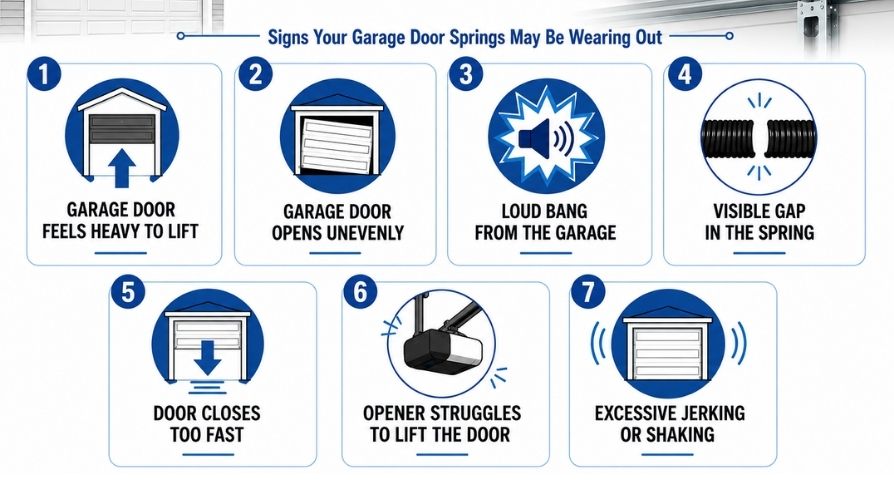
While springs rarely fail without warning, many homeowners are unfamiliar with the symptoms that indicate replacement may be approaching.
Garage Door Feels Heavy to Lift
One of the most noticeable signs of spring wear is a garage door that suddenly feels heavier than normal.
Many people assume the garage door opener performs most of the lifting. In reality, the spring system carries much of the door’s weight. When spring tension decreases, that weight is transferred elsewhere.
Homeowners attempting to lift the door manually may immediately notice the difference. A door that feels unusually heavy often indicates worn or weakened springs.
Garage Door Opens Unevenly
A properly balanced garage door should move smoothly and evenly during operation.
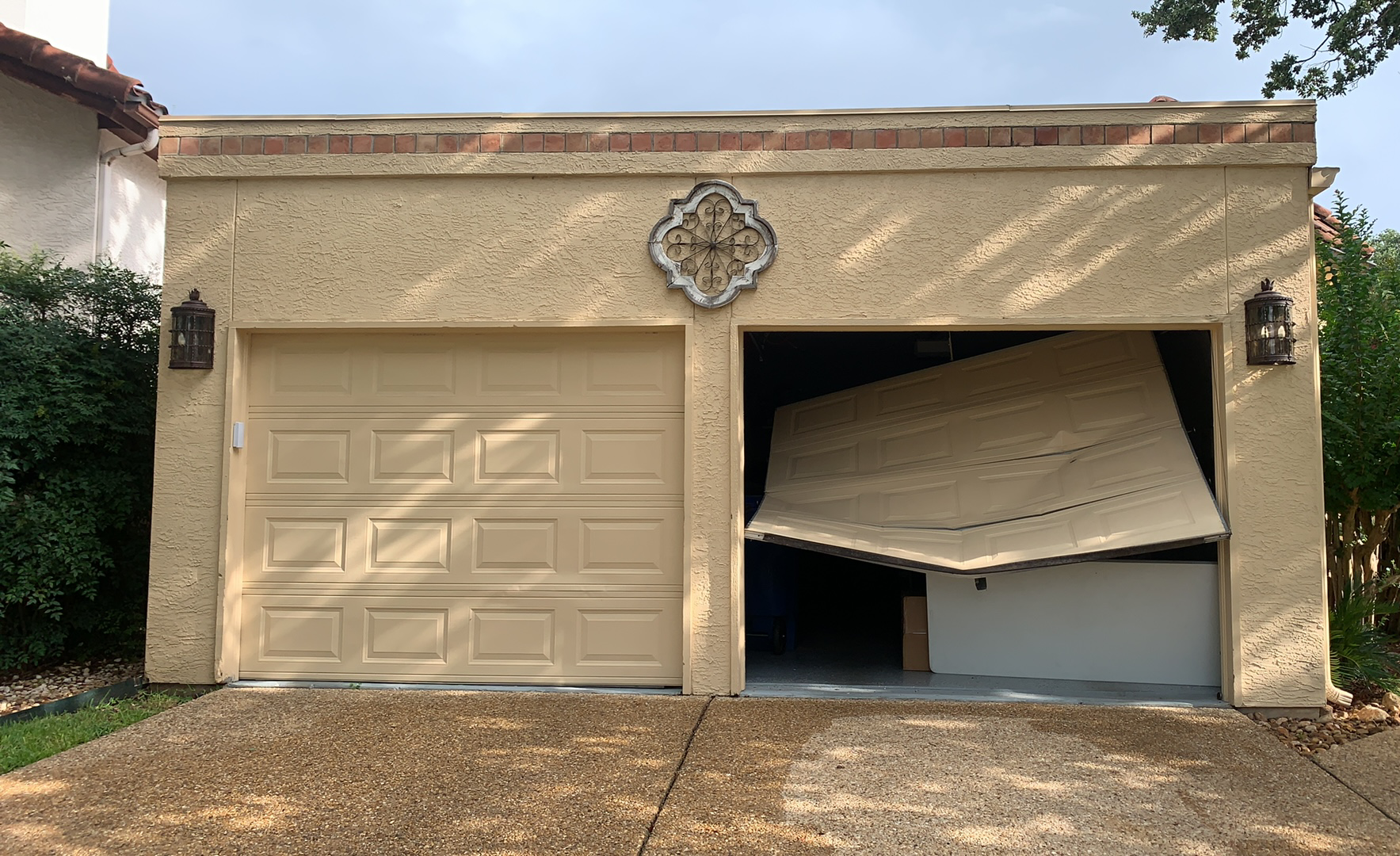
When springs begin losing tension unevenly, one side of the door may rise faster than the other. The result can be crooked movement, jerking, or visible imbalance while opening or closing.
If left unaddressed, uneven operation can place additional strain on tracks, rollers, and other hardware.
Loud Bang From the Garage
Many homeowners describe hearing a sudden loud bang that sounds similar to something heavy falling inside the garage.
In many cases, this noise occurs when a spring breaks under tension. Because springs store significant energy, the release can create a surprisingly loud sound.
A loud, unexplained bang from the garage is often one of the clearest signs of a broken garage door spring.
Gaps in the Spring
A visual inspection can sometimes reveal spring damage immediately.
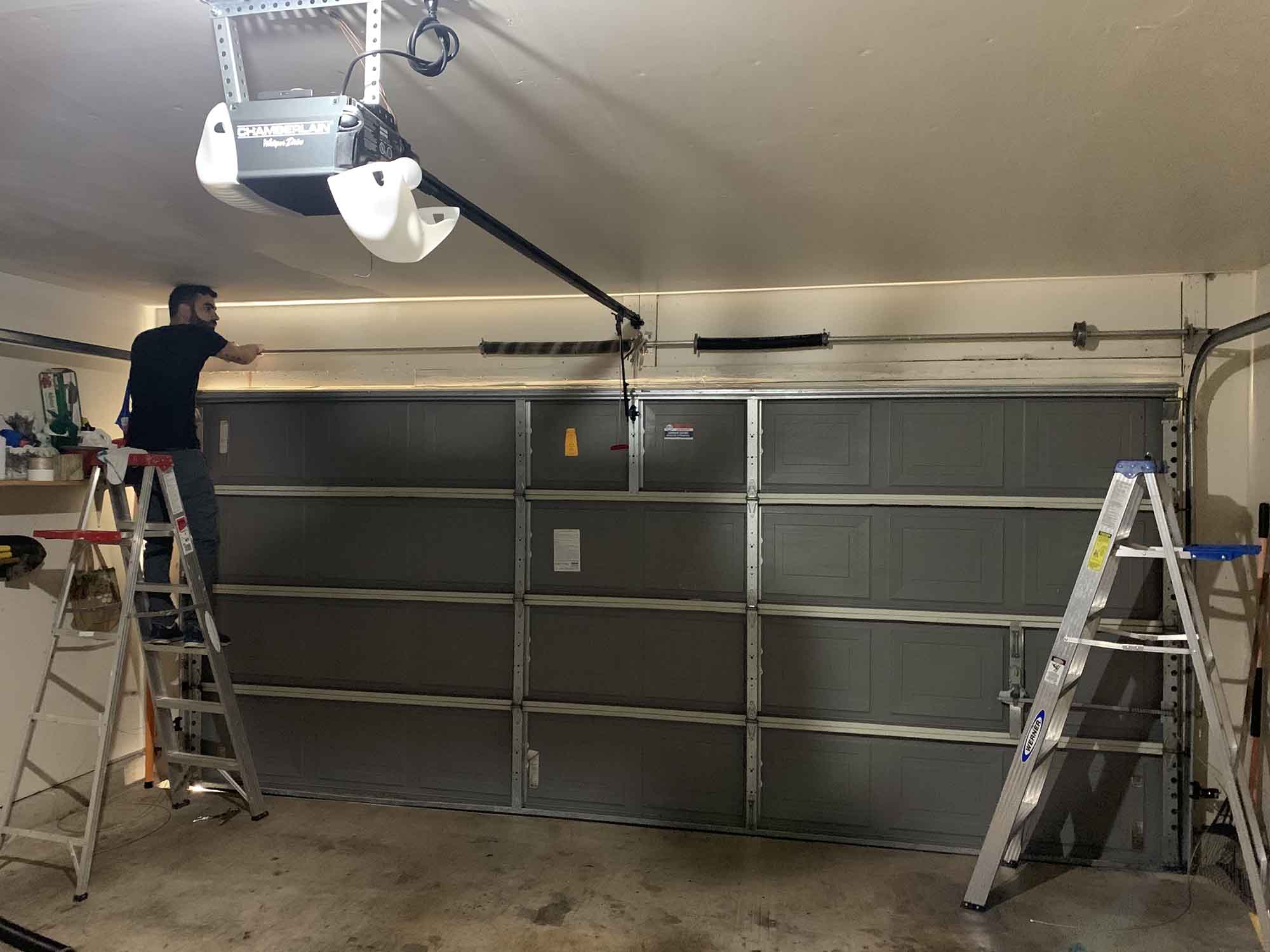
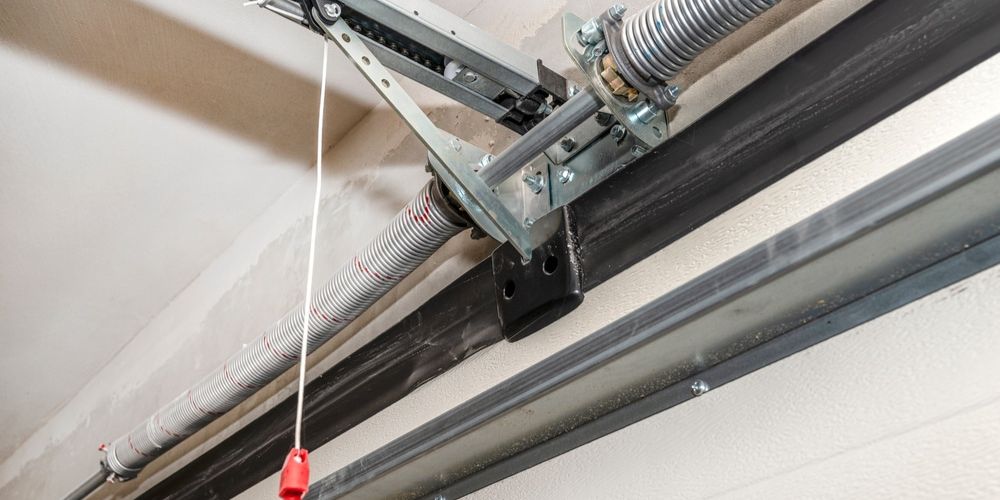
When a torsion spring breaks, a noticeable gap often appears between the coils. This separation is usually easy to identify and serves as a strong indication that replacement is necessary.
Homeowners should avoid operating the door if a visible spring gap is present.
Door Closes Too Fast
Garage door springs help control the speed of the door as it lowers.
When spring tension is lost, the door may begin closing faster than normal because the springs are no longer providing sufficient support.
A rapidly closing garage door can create safety concerns and increase the risk of damage to the door or surrounding components.
Opener Struggles to Lift the Door
As springs wear out, the opener must compensate for the lost lifting assistance.
In many cases, homeowners assume the opener is failing when the real issue is spring-related. Increased resistance can cause slower operation, unusual noises, and inconsistent performance.
When signs of wear appear, scheduling a professional garage door spring replacement can help restore proper balance and reduce unnecessary strain on the system.
Excessive Jerking or Shaking
Garage doors should move smoothly throughout their travel path.
If the door begins shaking, jerking, or moving unpredictably, worn springs may be affecting overall balance and stability.
Rough movement often becomes more noticeable as spring deterioration progresses and should not be ignored.
How a Worn Spring Affects Your Garage Door Opener
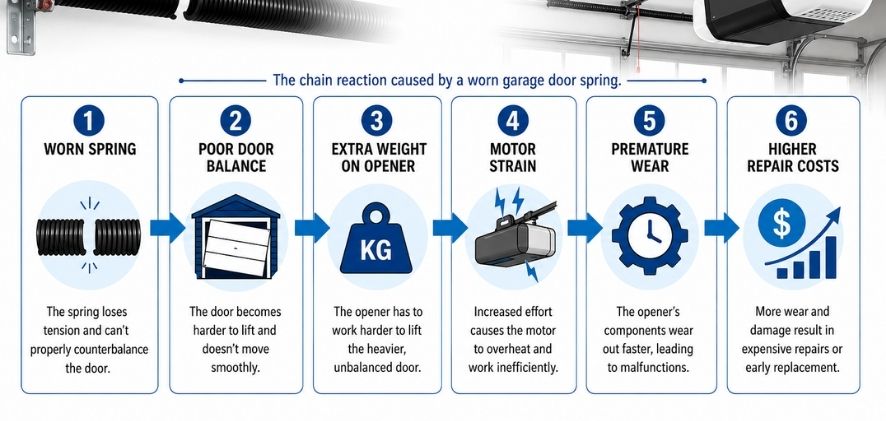
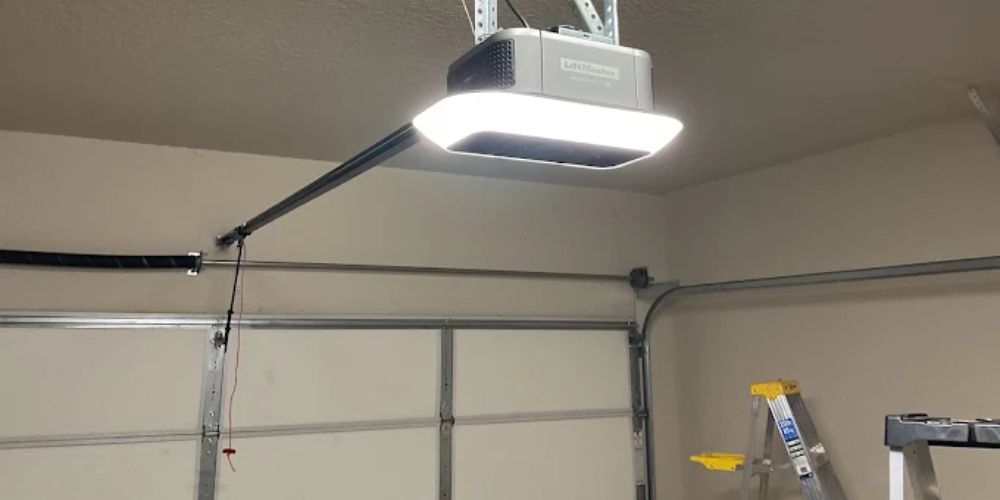
Many homeowners assume the garage door opener does all the lifting. In reality, the springs handle most of the door’s weight while the opener controls the movement.
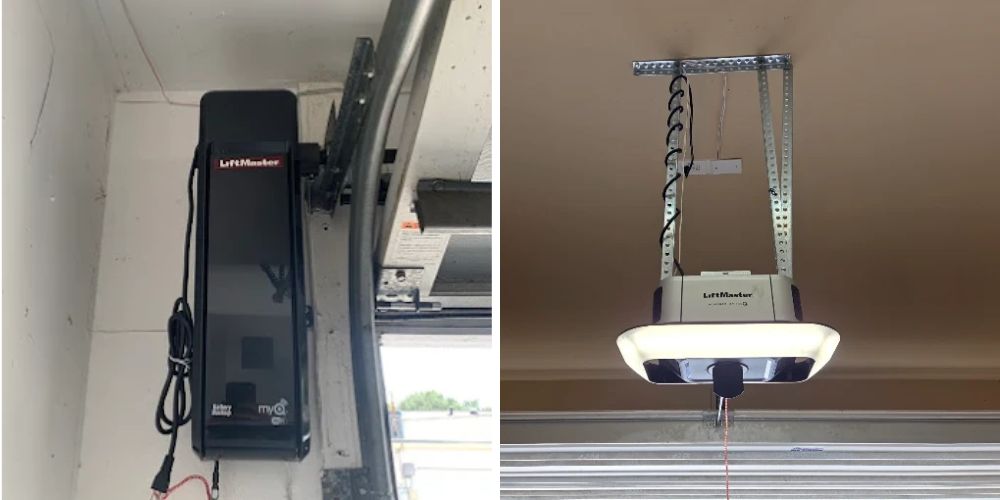
When springs begin losing tension or fail completely, the opener must compensate for the additional weight. This can place significant stress on the entire system and lead to performance issues that may initially seem unrelated to the springs.
Increased Motor Strain
A properly balanced garage door should feel relatively light because the springs counterbalance the weight of the door.
When springs weaken, the opener’s motor must work harder during every opening and closing cycle. Over time, this additional workload can reduce efficiency and increase wear on internal components.
Premature Opener Wear
Extra strain often leads to accelerated wear on gears, belts, chains, and other moving parts.
In many garage door spring replacement projects, homeowners initially believe their opener is failing. After inspecting the system, the real issue is often worn or unbalanced springs, placing extra strain on the opener.
This is one reason why spring problems should be addressed promptly before they create additional repair needs.
Safety Reversal Issues
Modern openers use safety systems designed to detect resistance during operation.
When spring tension becomes inconsistent, the opener may misinterpret the door’s weight or movement. This can lead to unexpected reversals, incomplete opening cycles, or intermittent operation.
Higher Repair Costs
Ignoring worn springs can eventually create problems beyond the spring system itself.
A struggling garage door opener system may require additional repairs if excessive strain continues for an extended period. Maintaining proper spring balance helps protect the opener and improve overall system longevity.
What Happens If You Ignore a Broken Garage Door Spring?
A broken spring is more than an inconvenience. Continuing to operate the door after spring failure can increase the risk of additional damage and create safety concerns.
Complete Door Failure
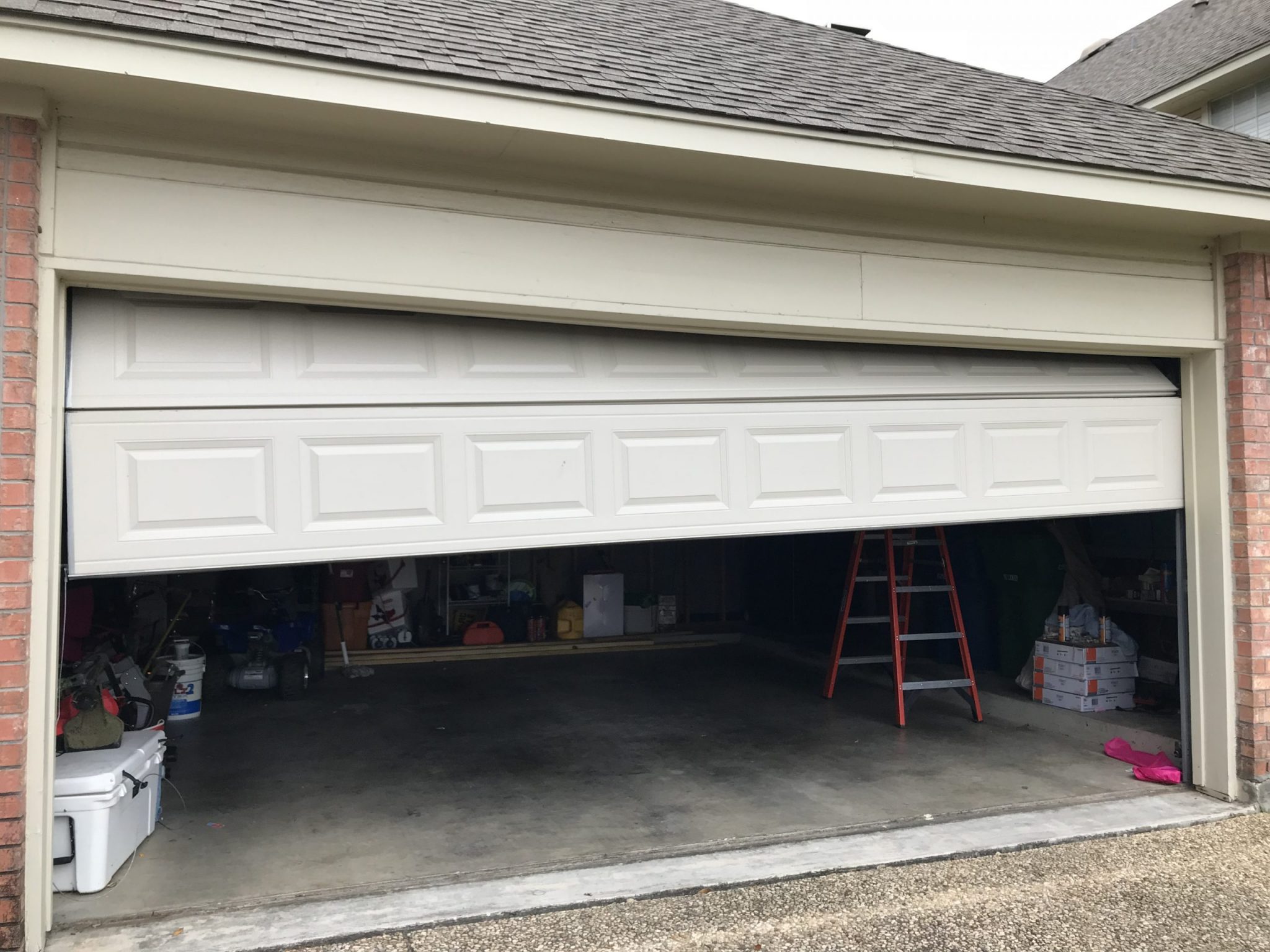
Once a spring breaks, the garage door may become extremely difficult or impossible to operate.
Some doors may stop opening entirely, while others may only open partially before reversing or becoming stuck.
A broken garage door spring can quickly turn a minor inconvenience into a major access problem, particularly when vehicles are trapped inside the garage.
Damage to Other Components
Garage doors operate as interconnected systems.
When springs stop functioning properly, additional stress is often transferred to other components, including cables, rollers, tracks, and the opener.
Over time, this added strain can increase wear on parts that would otherwise continue operating normally.
In some cases, damaged springs may also contribute to problems requiring garage door cable repair or replacement of worn garage door rollers due to increased stress throughout the system.
Increased Safety Hazards
A garage door can weigh hundreds of pounds.
Without proper spring support, that weight becomes much harder to control. Doors may close unexpectedly, become difficult to lift manually, or operate unpredictably.
Safety risks increase significantly when damaged springs are ignored.
Emergency Repairs
Many homeowners postpone service because the door still appears to function.
Unfortunately, spring problems often worsen unexpectedly. What begins as a minor issue can quickly become a situation requiring emergency garage door service, especially if the door becomes inoperable at an inconvenient time.
Should You Repair or Replace Garage Door Springs?
One of the most common questions homeowners ask is whether a damaged spring can simply be repaired or if replacement is necessary.
The answer depends on the condition of the spring and the extent of the damage.
When Repair May Be Possible
Minor issues may sometimes be addressed through adjustments, lubrication, or balancing procedures.
For example, springs that are noisy or slightly out of adjustment may benefit from professional maintenance.
However, repair options are generally limited once significant wear develops.
When Replacement Is the Better Option
Replacement is typically recommended when:
- A spring has broken
- Significant rust or corrosion is present
- Spring tension can no longer be maintained
- The spring has reached the end of its cycle rating
- Repeated adjustments are no longer effective
In these situations, professional garage door spring replacement usually provides the safest and most reliable long-term solution.
Why Both Springs Are Often Replaced Together
Many garage doors use two springs that have experienced similar levels of wear.
When one spring fails, the second spring is often approaching the end of its lifespan as well.
Replacing both springs at the same time helps maintain proper balance, improves performance, and reduces the likelihood of another spring failure shortly afterward.
Can You Replace Garage Door Springs Yourself?
Many homeowners search for DIY spring replacement information online. While it may appear straightforward, garage door spring replacement involves significant safety risks.
Risks of DIY Replacement
Garage door springs operate under extremely high tension.
Improper handling can result in:
- Serious injuries
- Loss of control of the door
- Property damage
- Incorrect door balance
- Premature component wear
Specialized tools and training are typically required to perform spring replacement safely.
Why Professional Replacement Is Recommended
Professional technicians can properly identify spring size requirements, safely release tension, and ensure the door is correctly balanced after installation.
Proper balancing is critical because even small errors can affect opener performance, safety features, and long-term reliability.
While some homeowners research DIY options, professional installation remains the safest approach for most garage door spring replacements.
How Long Do Garage Door Springs Last?
Garage door spring lifespan varies depending on spring quality, usage frequency, maintenance practices, and environmental conditions.
Average Lifespan
Most standard garage door springs last between 7 and 15 years under normal residential use.
Typical cycle ratings include:
- Standard torsion springs: approximately 15,000–20,000 cycles
- High-cycle torsion springs: 25,000 cycles or more
- Many extension springs: approximately 10,000 cycles
One cycle equals one complete opening and closing of the garage door, and understanding how garage door springs function can help homeowners better estimate lifespan expectations and identify early warning signs of wear.
Factors Affecting Lifespan
Several factors influence spring longevity:
Usage Frequency
Doors used multiple times per day accumulate cycles much faster than doors used occasionally.
Maintenance
Regular garage door maintenance helps reduce friction, improve performance, and identify wear before serious problems develop.
Climate Conditions
Humidity, temperature fluctuations, and corrosion can accelerate spring deterioration over time.
Spring Quality
Higher-quality springs generally provide longer service life and more consistent performance than lower-grade alternatives.
How to Prevent Premature Spring Failure
While no spring lasts forever, proper care can help maximize lifespan and reduce the likelihood of unexpected failures.
Lubricate Moving Components
Applying appropriate garage door lubricant helps reduce friction and protects springs from excessive wear.
Routine lubrication is one of the simplest ways to extend spring life.
Schedule Annual Inspections
Professional inspections can identify developing issues before they become major repairs.
Early detection often prevents more extensive damage.
Test Door Balance
A properly balanced door places less strain on springs and openers.
If the door becomes difficult to lift or fails to stay partially open when manually operated, a balance issue may exist.
Schedule Professional Tune-Ups
Routine tune-ups help ensure springs, cables, rollers, and other components continue operating efficiently.
For homeowners researching DIY maintenance procedures, resources discussing DIY garage door spring replacement and maintenance basics can provide useful background information. However, spring repairs and replacements should generally be left to trained professionals.
Conclusion
Garage door springs wear out naturally over time, but they often provide warning signs before complete failure occurs. A heavier door, uneven movement, loud noises, visible spring damage, and increased opener strain are all indicators that a spring may need attention.
Recognizing these symptoms early can help homeowners avoid unexpected breakdowns, reduce safety risks, and prevent additional damage to other garage door components. Addressing a broken garage door spring promptly can also help protect the opener and maintain smooth, reliable operation.
If you notice any of the warning signs discussed in this guide, scheduling a professional inspection can help determine whether garage door spring replacement is necessary and ensure your garage door continues operating safely and efficiently.
Frequently Asked Questions
How do I know if my garage door spring needs replacement?
Common signs include a heavy door, uneven movement, loud banging noises, visible gaps in the spring, rapid closing, and increased opener strain.
Can I manually open a garage door with a broken spring?
Some doors can be opened manually, but doing so may be difficult and potentially unsafe because the springs are no longer supporting the door’s weight.
How much does garage door spring replacement cost?
Replacement costs vary based on spring type, door size, labor requirements, and the number of springs being replaced.
How many years do garage door springs last?
Most springs last between 7 and 15 years, depending on cycle rating, usage frequency, maintenance, and environmental conditions.
Will a broken spring damage my garage door opener?
Yes. A broken spring forces the opener to work harder, increasing wear on motors, gears, belts, and other components.