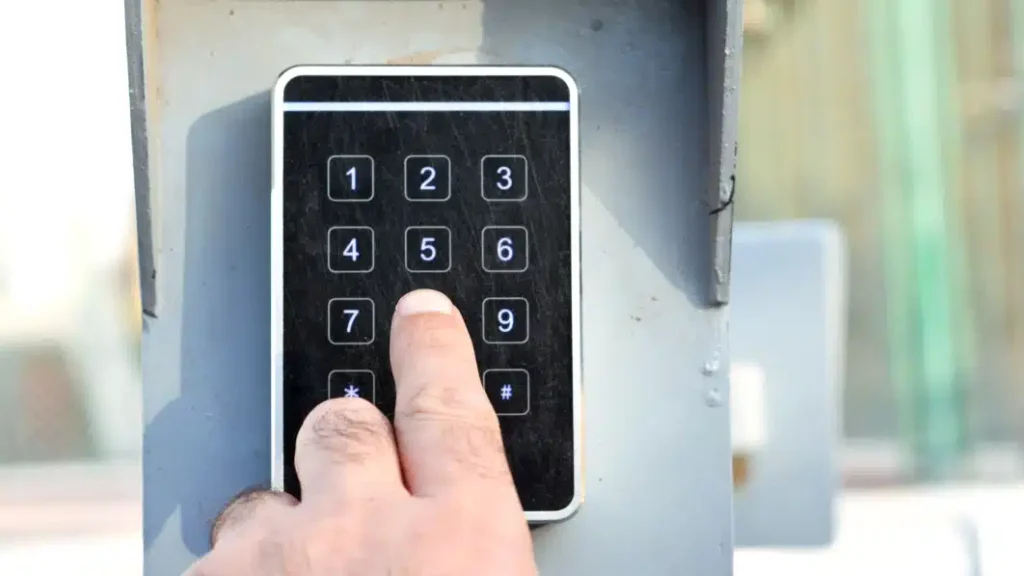
A garage door keypad provides convenient keyless access to the garage without needing a handheld remote or physical key. When the keypad stops responding, it can interrupt daily routines and may indicate communication problems between the keypad and the garage door opener.
Homeowners in San Antonio often experience keypad issues due to weather exposure, wear and tear, or system compatibility concerns. Understanding what causes keypad failures helps identify whether the problem involves the keypad device, the opener receiver, or another part of the garage door system.
Why Do Garage Doors Stop Responding to Keypad Commands in San Antonio?
When a keypad stops triggering the door, the issue usually involves a breakdown in communication between the keypad transmitter and the garage door opener receiver, which can be affected by environmental exposure, electronic wear, or system configuration problems.
Common conditions that can disrupt keypad communication include:
- Batteries are losing power and preventing the keypad from sending a signal
- Signal interference is affecting communication between the keypad and the opener receiver
- Worn keypad buttons that fail to register certain digits
- Environmental exposure is damaging keypad electronics over time
- Programming errors that interrupt the stored garage door opener code
To understand how technicians identify these communication failures, review our guide on Garage Door Keypad Not Working? Troubleshooting Checklist, which explains how professionals inspect system signals and diagnose keypad access problems.
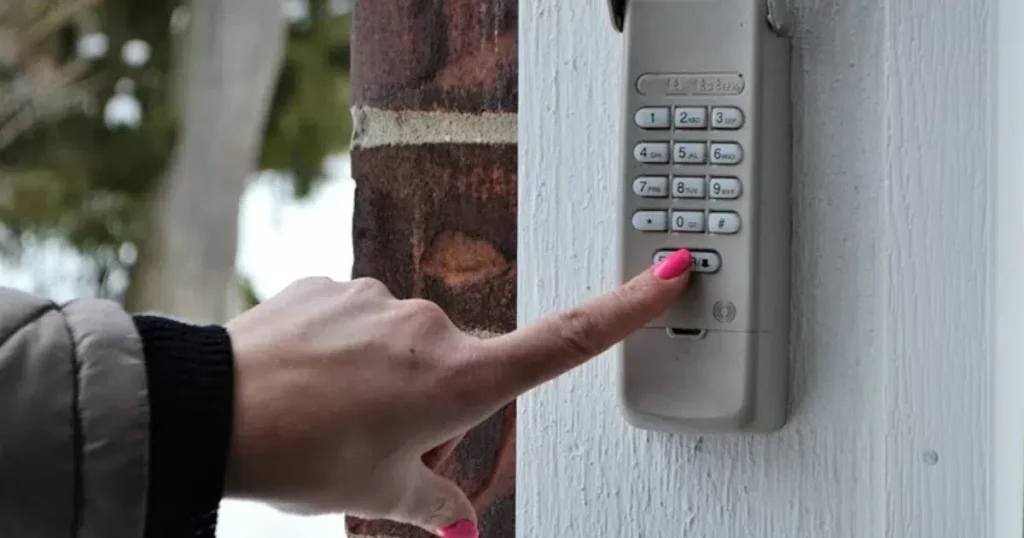
Common Causes of Garage Door Keypad Problems
Battery Failure in a Wireless Garage Door Keypad
Battery power drives signal transmission between the keypad and the garage door opener receiver, so declining battery voltage often disrupts keypad communication.
Warning signs that battery power is fading include:
- Dead batteries are preventing the keypad from sending a signal
- Low battery voltage weakens signal transmission to the opener
- Corrosion forming inside the battery compartment
- Incorrect battery placement is interrupting electrical contact
- Long-used batteries are losing the ability to power the internal circuit board
Restoring proper battery power often resolves communication issues in a wireless garage keypad, especially when the voltage drops below the level required for reliable transmission.
Signal Interference Affecting Keypad Communication
Wireless communication between the keypad and opener receiver can weaken when electronic signals interfere with the transmission frequency.
Interference patterns often appear through:
- Nearby wireless devices transmitting on overlapping frequencies
- Smart home systems disrupting signal clarity
- Structural barriers reduce signal range
- Network congestion from multiple connected devices
- The distance between the keypad and the opener receiver exceeds normal limits
Interference can also affect nearby control devices, so technicians may evaluate related equipment, such as garage door remote control units, during signal diagnostics.
Worn Keypad Buttons and Contact Pads
Frequent keypad use gradually wears down internal button contacts, reducing the keypad’s ability to register each entry of the garage door code.
Wear indicators may appear as:
- Digits that fail to register when pressed
- Faded button surfaces from daily use
- Sticky buttons caused by accumulated grime
- Internal contact pads are losing responsiveness
- Uneven button pressure is required to register numbers
Gradual deterioration of button contacts often leads to inconsistent keypad response during daily use of the garage keypad.
Weather Exposure and Climate Effects in San Antonio
Outdoor keypad electronics endure harsh sunlight, dust, and humidity, which can gradually degrade internal circuitry and signal transmission.
Environmental stress may develop through:
- Prolonged heat exposure weakens electronic components
- Humidity entering the keypad housing and damaging circuits
- Dust buildup is interfering with the button contact surfaces
- Moisture creates corrosion within internal components
- Temperature shifts are accelerating battery drain
Environmental exposure may also affect nearby exterior hardware, which is why technicians inspect components around the overhead garage door during keypad evaluations.
Memory Loss or System Errors After Garage Door Keypad Programming
Programming data stored in the opener receiver can occasionally be reset or corrupted, preventing the keypad from transmitting a recognized command.
System memory disruptions may involve:
- Power interruptions reset the opener’s memory
- Errors during garage door keypad programming
- Incorrect entry of a new code during system setup
- Firmware conflicts within modern opener systems
- Accidental reset of stored keypad signals
Programming conflicts interfere with keypad communication, potentially preventing the opener from recognizing the stored garage door opener code.
Misalignment Between the Keypad and Garage Door Opener
Reliable keypad communication depends on a strong signal path between the keypad transmitter and the opener receiver.
Alignment problems can appear through:
- Receiver antenna obstruction inside the opener housing
- Keypad placement outside the optimal signal range
- Structural barriers weaken signal strength
- Electrical interference near the opener motor unit
- Receiver degradation inside aging door openers
Receiver alignment issues reduce the garage door opener’s ability to detect keypad signals during entry attempts.
Internal Circuit Damage in the Keypad Housing
Electronic components inside the keypad housing may deteriorate over time due to exposure to weather, electrical wear, or physical damage.
Circuit problems may include:
- Internal corrosion affecting circuit board performance
- Wiring damage is interrupting signal transmission
- Heat expansion weakens solder connections
- Electronic components degrade after years of use
- Moisture entering the keypad enclosure
Electronic failure within the keypad housing often leads technicians to recommend replacing the garage door keypad when circuit repair cannot restore communication.
Aging Electronics in Older Keypad Models
Older keypad models may struggle to communicate with modern garage door systems due to outdated transmission technology.
Technology limitations often appear as:
- Shorter signal range compared with modern devices
- Outdated radio frequency systems are incompatible with newer openers
- Slower keypad response when entering digits
- Reduced button illumination from aging components
- Compatibility issues with the updated opener technology
According to Chamberlain, rolling-code technology changes the transmission code each time the opener is activated, improving security while preventing older transmitters from reliably communicating with newer openers.
Security Lockouts Triggered by Repeated Incorrect Codes
Many modern keyless entry systems temporarily disable keypad access after multiple incorrect code attempts.
Lockout conditions may occur through:
- Several incorrect garage door code entries within a short time
- Code memory conflicts following system resets
- Security protocols inside a keyless entry pad
- Accidental entry of incorrect digits during keypad use
- Security features designed to prevent repeated access attempts
Chamberlain explains that opener receivers temporarily disable keypad signals after repeated incorrect codes, which protects the garage door system from unauthorized access attempts.
How Opener Compatibility Issues Can Lead to Garage Door Keypad Not Working Errors
Compatibility problems between the keypad and opener can interrupt communication signals, which may cause a garage door keypad not working condition, even when the keypad itself is still powered.
Situations that commonly create compatibility conflicts include:
- Different radio frequency systems between the keypad and the opener receiver
- Rolling-code technology mismatches between older transmitters and newer openers
- Keypad models are designed for specific opener brands only
- Memory resets that erase stored keypad signals
- Smart home integrations are interfering with keypad communication
Understanding how technicians restore communication between the keypad and opener receiver is explained in our blog on How to Reset a Garage Door Keypad in San Antonio, which outlines how professionals re-establish system synchronization after compatibility or memory issues.
Signs That a Garage Door Keypad May Need Replacement
Persistent keypad failures often indicate internal electronic wear or physical damage that prevents the device from reliably sending signals to the opener receiver.
Common signs that a keypad may need replacement include:
- Buttons that no longer register digits consistently during code entry
- Fading illumination that reduces the visibility of the keypad at night
- Cracks or weather damage affecting the keypad housing
- Intermittent signal transmission between the keypad and opener
- Memory errors that continue after system resets
Persistent signal failures often indicate deeper electronic wear, which is why technicians may recommend professional garage door keypad repair when keypad communication problems continue.
How Professional Inspection Identifies Keypad Failures
Professional inspection evaluates keypad electronics and opener communication to determine whether the problem originates in the keypad or another part of the garage door system.
Key diagnostic checks usually include:
- Testing signal transmission between the keypad and the garage door opener receiver
- Checking battery voltage and internal keypad power connections
- Inspecting keypad buttons for wear, grime buildup, or unresponsive digits
- Examining the opener wiring and receiver components for loose connections
Code synchronization procedures used during system restoration are outlined in our blog on How to Program a Garage Door Keypad After Reset, which explains how professionals reconnect keypad communication after inspection.
When Keypad Issues Indicate a Larger Garage Door System Problem
Keypad malfunctions sometimes signal deeper problems within the garage door system rather than a failure in the keypad device itself.
Situations that may indicate a larger system issue include:
- Receiver failure inside the garage door opener is preventing signal detection
- Logic board problems are interrupting communication with keyless entry devices
- Electrical interference affecting the opener’s signal reception
- Wiring damage or loose connections inside the opener housing
Underlying opener or receiver faults can prevent the keypad from activating the garage door even when the keypad itself still functions normally.
Why Early Diagnosis Prevents Recurring Keypad Failures
Early diagnosis helps identify the root cause of keypad malfunctions before repeated failures affect access to the garage door system.
Early inspection can help prevent recurring issues such as:
- Signal interruptions between the keypad and the garage door opener receiver
- A battery or electronic wear that gradually weakens keypad performance
- Programming errors affecting the stored garage door opener code
- Environmental exposure is damaging outdoor keypad electronics
Prompt evaluation helps restore reliable keypad communication and maintain consistent keyless access to the garage.
Identify the Cause of Your Garage Door Keypad Problem in San Antonio
Garage door keypad problems often develop when communication between the keypad transmitter and the garage door opener receiver becomes disrupted. Environmental exposure, electronic wear, signal interference, and compatibility conflicts can all affect keypad performance and lead to recurring access interruptions.
Mojo Garage Door Service provides professional inspection and repair services for garage door keypads and opener systems throughout San Antonio, TX. Contact us or give us a call today to schedule a professional keypad inspection and determine the cause of your garage door keypad problem.
Frequently Asked Questions
Can extreme heat damage an outdoor garage door keypad?
Yes. Prolonged exposure to high temperatures can weaken internal electronics, affect battery performance, and accelerate wear inside the keypad housing. Outdoor keypads installed in direct sunlight may experience faster deterioration of internal circuits and button membranes.
Do older garage door openers cause keypad communication problems?
Yes. Older opener systems may use outdated radio frequency technology that does not communicate efficiently with newer keypads. Compatibility limitations between aging openers and modern keypads can interrupt signal recognition or prevent proper code synchronization.
How long does a typical garage door keypad last before replacement is needed?
Most garage door keypads function reliably for several years, depending on usage, environmental exposure, and the quality of the electronics. If performance declines due to worn buttons or circuit deterioration, technicians may recommend garage door keypad replacement to restore dependable access.
Can a garage door opener keypad stop working after a power outage?
Yes. Power interruptions can sometimes reset the memory inside the opener receiver, which may erase the stored access code. Reprogramming the keypad and restoring the stored signal usually reconnects it to the opener system.
Do smart garage door openers affect keypad performance?
In some cases, they can. Smart opener systems integrate additional wireless communication features that may occasionally cause signal conflicts or require updates to device synchronization.
Can worn keypad buttons prevent the code from registering?
Yes. Frequent use gradually wears down internal contact pads beneath the keypad buttons, which may cause certain digits to stop registering during code entry. Button wear can lead to partial code recognition and inconsistent door activation.
Is keypad signal interference common in residential areas?
Yes. Wireless devices such as smart home equipment, security systems, and nearby transmitters can occasionally interfere with keypad communication signals. Signal congestion in dense residential neighborhoods may disrupt the connection between the keypad and opener receiver.
Can keypad problems indicate a failing garage door opener receiver?
Yes. A malfunctioning receiver inside the opener unit may fail to detect signals sent from the keypad. Communication failure between the keypad and receiver is a common reason technicians inspect the opener electronics during system diagnostics.
Why does my keypad light up, but the garage door does not open?
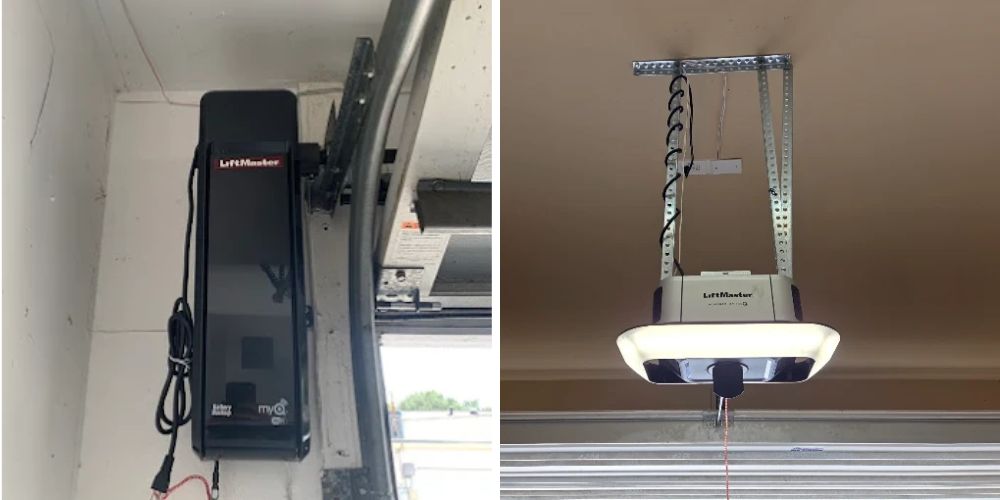
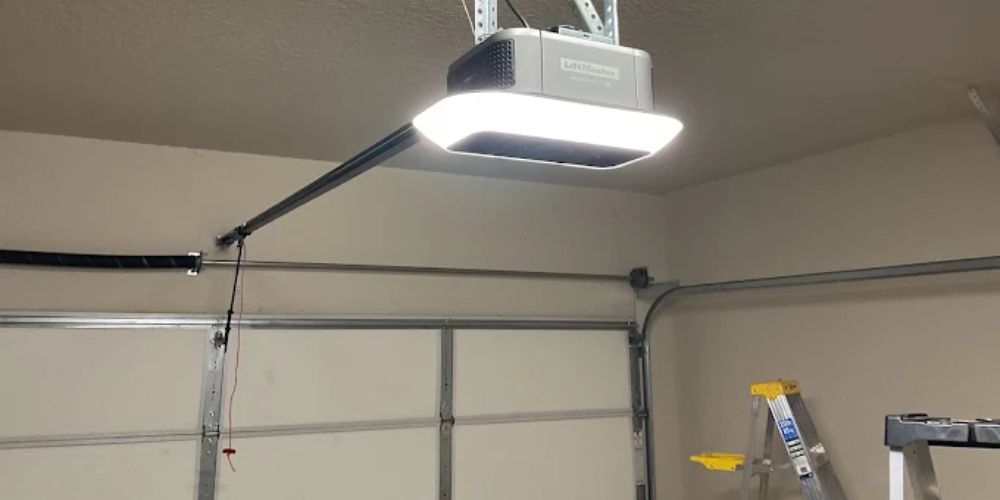
Illuminated keypad lights mean the keypad still has power, but may not be sending a signal to the opener receiver. Programming or compatibility issues can affect devices such as a LiftMaster garage door keypad, especially if it is not synchronized using the yellow learn button on the opener unit.