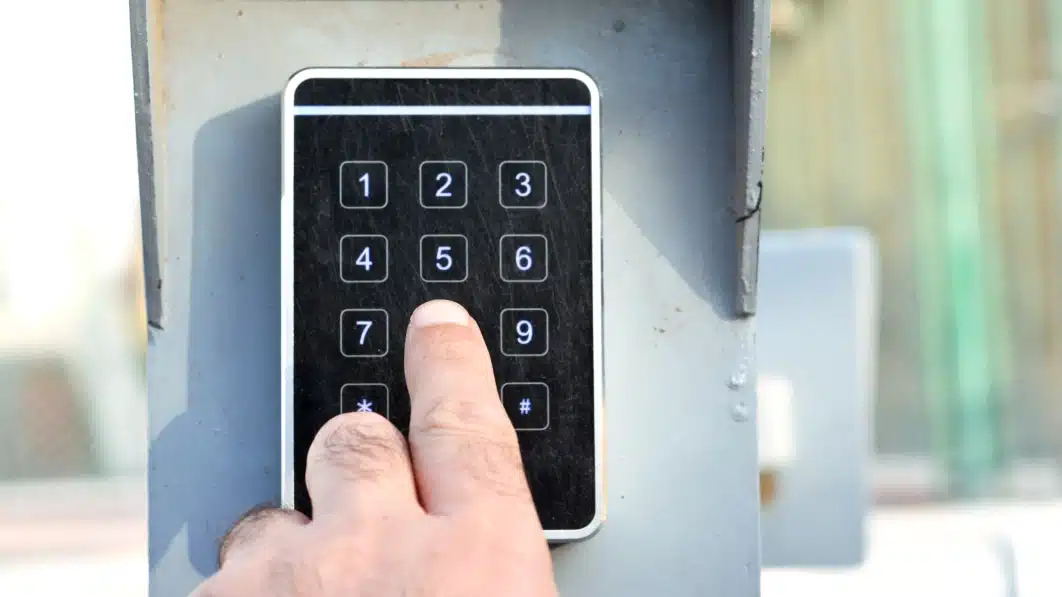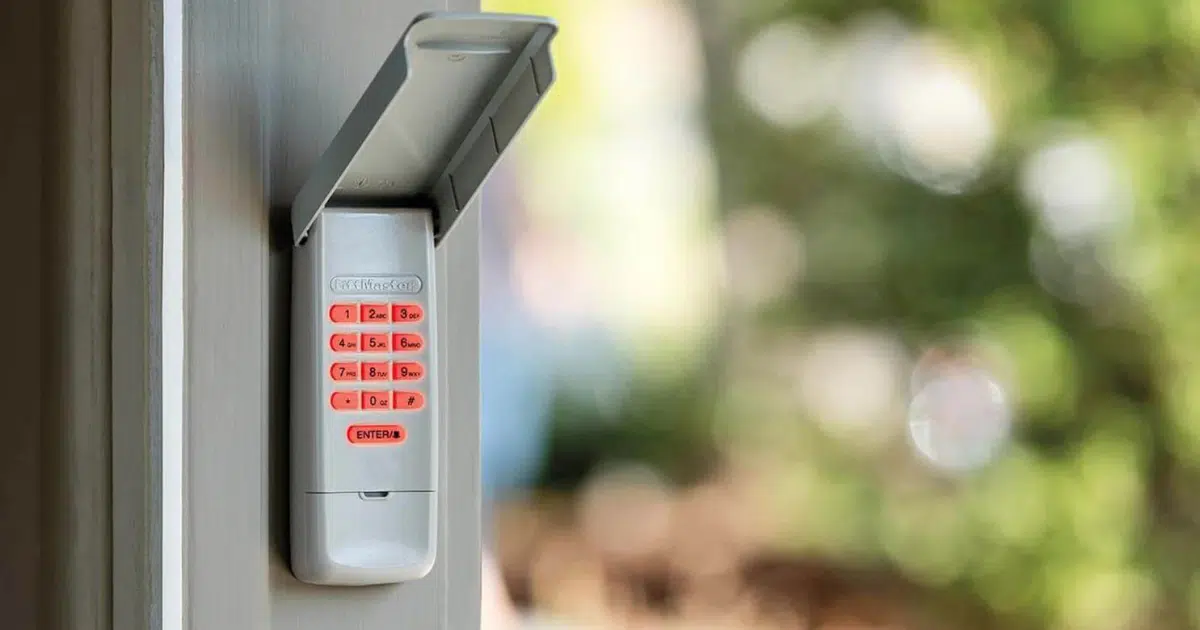
A garage door keypad provides convenient keyless access, allowing homeowners to open the garage door without a remote. When the keypad stops responding or fails to communicate with the garage door opener, entering the garage can suddenly become frustrating.
Resetting the keypad often restores communication when stored access codes become out of sync with the opener system. Understanding how a reset reconnects the keypad with the garage system helps homeowners recognize whether the problem involves memory loss, signal interference, or internal programming changes.
Why Does a Garage Door Keypad Stop Responding to Codes in San Antonio?
A garage door keypad may stop responding when access codes lose synchronization with the opener memory, when wireless interference disrupts communication, or when internal electronic wear prevents signal transmission.
Common reasons keypad communication fails include:
- Stored access codes are becoming unsynchronized with the opener’s memory
- Electrical interruptions affecting keypad programming data
- Signal interference affecting wireless keypad communication
- System updates or resets within the garage door opener
- Electronic wear affecting keypad button response over time
To understand how these issues develop and why keypad resets become necessary, read our blog on Garage Door Keypad Not Working? Troubleshooting Checklist, which explains how technicians identify communication failures in the system.
Common Reasons a Keypad Reset Becomes Necessary
Keypad resets are often required when communication between the keypad transmitter and opener receiver becomes unsynchronized.
Common situations that lead to a reset include:
- Power interruptions that erase stored keypad codes inside the opener memory.
- Wireless signal interference that disrupts communication between the keypad and the opener.
- System changes after adding remotes or updating opener settings.
- Electronic wear is affecting the keypad’s transmission of access signals.
The system issues that often lead to keypad resets are further explained in our blog on What Causes Garage Door Keypad Problems in San Antonio?, which outlines the conditions that disrupt keypad communication.
Reset Steps to Try Before Calling a Professional in San Antonio
Step 1: Locate the Learn Button on the Garage Door Opener
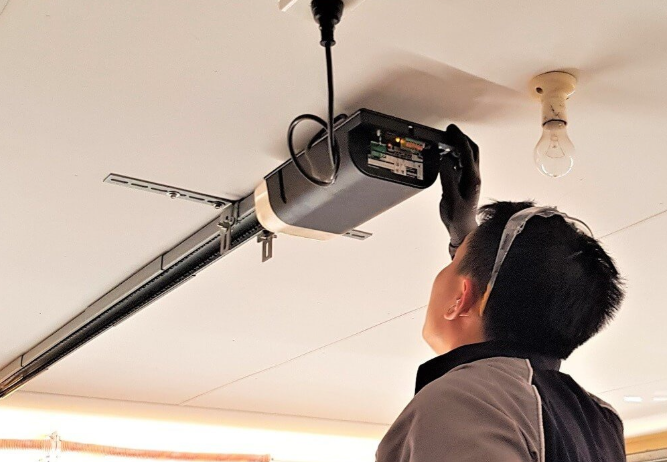
Resetting a keypad begins by locating the learn button on the opener motor unit, which controls how the keypad pairs with the garage door opener receiver.
Look for indicators such as:
- The control panel is positioned on the back or side of the opener motor housing
- A small colored button near the antenna wire
- The programming area behind the light cover on many opener units
- Label markings showing programming or memory functions
- Distinct color identifiers, like the yellow learn button, are used by several openers
The Chamberlain Group explains that pressing the learn button activates a short programming window inside the receiver that allows devices to pair with the garage door opener.
Step 2: Clear the Keypad Memory From the Opener System
Removing stored keypad data from the opener memory prepares the system to accept a new access code during the reset process.
Signs that memory clearing has been triggered include:
- Holding the learn button until the indicator light changes state
- Opener memory removing previously stored keypad codes
- Stored signals from old remotes are being erased
- Receiver entering programming mode for new devices
- The control board is preparing to accept a garage door opener code
Programming procedures vary by opener brand, and manufacturer guidance outlines how opener receivers store and erase keypad signals to ensure proper synchronization.
Step 3: Enter a New Access Code on the Keypad
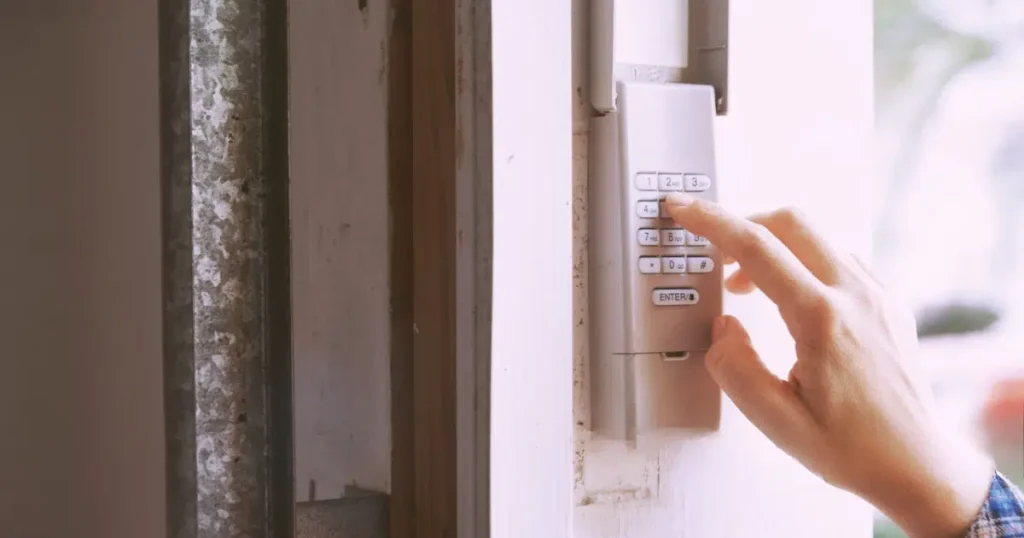
Entering a new code reconnects the keypad with the opener so the system can recognize keypad signals again.
Programming activity usually involves:
- Entering a multi-digit garage door code on the keypad
- Pressing the learn button to initiate the pairing process
- Entering the new code within the programming window
- Waiting for the opener light to confirm signal acceptance
- Repeating the code entry if the first attempt fails
Programming instructions provided by Genie explain how keypad transmitters communicate with opener receivers and how entering a new code completes the connection process.
Step 4: Test the Keypad to Confirm Opener Response
Confirming keypad response verifies that communication between the keypad transmitter and opener receiver has been restored.
Successful testing often includes:
- Entering the newly programmed access code
- Watching the opener indicator light respond to the signal
- Confirming the garage door begins moving after code entry
- Repeating the code entry to confirm consistent operation
- Observing whether the opener motor activates immediately
Consistent keypad response during testing confirms the reset worked, while repeated signal failures may indicate deeper system issues that sometimes require garage door repair to restore reliable operation.
What Happens During a Garage Door Keypad Reset?
A garage door keypad reset clears stored access data and reconnects the keypad transmitter with the opener receiver.
During the reset process, the system typically performs several changes:
- Stored keypad codes are removed from the opener memory.
- The receiver enters pairing mode to accept a new signal.
- Previous keypad connections are cleared from the system.
- A new access code must be programmed for operation.
Successful resets allow the keypad and opener receiver to communicate again, helping restore smooth operation of the overhead garage door system.
Why Garage Door Keypad Programming Is Required After a Reset
Resetting a garage door keypad removes stored access codes from the opener memory and disconnects the keypad from the receiver.
After a reset, several programming steps are required:
- A new keypad code must be entered so the opener can recognize the keypad signal.
- The keypad must reconnect with the opener receiver during the pairing window.
- Previous access codes are permanently removed from the system memory.
- Testing confirms the keypad successfully activates the garage door opener.
Resetting removes stored access codes and requires reconnecting with the opener, as explained in our blog on How to Program a Garage Door Keypad After Reset, which outlines how the keypad reconnects after a reset.
What If Resetting the Keypad Does Not Resolve the Issue?
Resetting a garage door keypad may not restore operation if the problem involves deeper communication or hardware faults within the garage door system.
Possible causes behind continued keypad failure include:
- Worn keypad buttons are preventing accurate code entry.
- Receiver issues inside the garage door opener that block signal recognition.
- Interference is affecting wireless communication between the keypad and opener.
- Internal control board problems are disrupting the opener’s response.
Persistent keypad problems usually indicate that additional system inspection is needed to identify the underlying issue affecting keypad communication.
Professional Garage Door Keypad Service in San Antonio
Expert inspection helps restore keypad communication when resets or programming attempts fail to reconnect the keypad with the opener system.
Service evaluations often include:
- Inspecting the keypad transmitter and opener receiver for signal issues.
- Testing the garage door opener keypad connection with the control board.
- Checking wiring and internal components for loose connections.
- Determining whether garage door keypad replacement may be required.
Accurate diagnosis helps restore reliable keypad communication and stable operation across the entire garage door system.
Keypad Compatibility Across Major Garage Door Opener Brands
Different garage door opener brands use unique communication systems and security protocols that influence how a keypad connects to the opener.
| Garage Door Opener Brand | Keypad Compatibility Notes |
| Chamberlain | Most keypads pair using Security+ rolling-code technology and follow Chamberlain programming sequences. |
| LiftMaster | Many LiftMaster models use encrypted rolling-code signals and typically require LiftMaster-compatible keypad transmitters. |
| Genie | Genie openers rely on Intellicode technology, which requires Genie-compatible keypad programming procedures. |
| Craftsman | Several Craftsman models share communication technology with Chamberlain openers, but may follow slightly different programming steps. |
Understanding how opener brands use different communication technologies helps explain why some keypads connect easily while others require specific programming methods.
When Garage Door Keypad Replacement Becomes Necessary
Keypad replacement may be required when electronic wear or hardware failure prevents the keypad from communicating reliably with the opener.
Common indicators that replacement may be needed include:
- Buttons that no longer register input when entering access digits are entered.
- Faded keypad surfaces make code entry inconsistent.
- Signal failures even after resetting and garage door keypad programming.
- Visible weather damage affecting the keypad circuitry.
Replacing a worn keypad restores dependable keyless entry and stable signal communication, especially as aging hardware begins to affect related parts, such as garage door rollers that support overall door movement.
Reset Your Garage Door Keypad and Restore Access in San Antonio
Resetting a garage door keypad can restore communication with the garage door opener when stored access codes become unsynchronized or when signal interruptions affect keypad performance. Recognizing the causes behind keypad communication problems helps homeowners determine when a reset can restore operation and when professional service may be necessary.
Mojo Garage Door Service provides expert diagnostics and repair support for keypad and opener systems across San Antonio, TX. If your keypad still fails to respond after a reset or programming attempt, contact us or give us a call today for professional help resetting and restoring your garage door keypad access.
Frequently Asked Questions
Can weather conditions affect the performance of a garage door keypad?
Yes. Outdoor exposure to moisture, temperature changes, and sunlight can affect keypad electronics and button responsiveness over time. Many wireless garage door keypad units are designed for exterior use, but long-term exposure to weather can still affect signal transmission and keypad durability.
Why does my keypad light turn on, but the door does not open?
A keypad light turning on indicates the keypad is receiving power, but the opener may not be recognizing the transmitted signal. This situation often requires garage door keypad troubleshooting to check programming, signal interference, or communication between the keypad and the opener receiver.
Do all garage door keypads use the same reset process?
No. Reset procedures vary by opener brand, model, and the system’s security technology. Basic steps in programming may differ between manufacturers, so checking the opener manual or brand instructions helps confirm the correct reset process.
Can multiple keypads be connected to the same garage door opener?
Yes. Many garage door opener systems allow multiple keypads or remote devices to connect to the same receiver. Each keypad must be programmed separately so the opener can recognize and respond to its unique signal.
Will resetting the keypad erase all stored access codes?
Yes. Resetting the keypad usually clears all previously stored codes from the opener memory. After the reset process, a new access code must be programmed so the keypad can reconnect with the opener.
Can a keypad lose connection with the opener over time?
Yes. Signal interference, power interruptions, and electronic wear can gradually disrupt communication between the keypad and the opener receiver. Periodic resets or reprogramming may be required to restore consistent keypad operation.
Is it possible for an opener receiver to stop recognizing keypad signals?
Yes. Receiver components inside the opener can develop signal recognition problems over time. A malfunctioning receiver may require inspection or repair before the keypad can communicate properly with the opener.
How often should a garage door keypad be inspected or serviced?
Routine inspection once or twice a year helps identify worn buttons, signal problems, or environmental damage affecting keypad performance. Professional maintenance also allows technicians to confirm that the keypad remains properly synchronized with the opener.
Can outdated keypads cause security or access issues?
Yes. Older keypads may lack modern rolling-code technology used by newer opener systems. Replacing an outdated LiftMaster garage door keypad or a similar model can improve compatibility, signal reliability, and overall system security.