
Discover how to fix garage door cable issues with our easy guide. With expert tips and a tool list, avoid costly repairs!
Garage door cables help lift and lower the door safely by working together with the springs and drums. Over time, cables can fray, loosen, rust, or snap completely, causing the door to move unevenly or stop working altogether.
Learning how to replace a garage door cable can help you understand the repair process and spot problems early. In most cases, the job involves disconnecting the opener, securing the door, releasing spring tension, removing the damaged cable, and installing a properly matched replacement cable.
Because garage door systems are under high tension, safety should always come first. If the cable is badly damaged, off the drum, or connected to a spring problem, it’s usually safer to contact a garage door repair professional.
What Causes Garage Door Cables to Break?
Garage door cables usually break because of rust, fraying, worn strands, improper tension, or old age. Daily use places constant pressure on the cables, and over time, they can weaken and snap. A loose cable, uneven door movement, or visible wear are common warning signs that replacement may be needed soon.
Why You Should Learn How to Change Garage Door Cables
Garage door cables help lift and lower the door. Over time, they can wear out or snap. Damaged cables can cause safety risks if ignored.
1. Cable Break is a Safety Risk
A broken garage door cable is very dangerous. The heavy door can fall quickly and hurt someone or damage things without warning. If the cable is loose or worn out, stop using the door and fix it immediately.
2. Door Moves Unevenly
The door might not open or close evenly if the cable is damaged. This can cause other parts, like the springs and rollers, to wear out faster. Fixing the cable early helps keep your garage door working well and prevents other parts from breaking too soon.
3. The Door May Stop Working
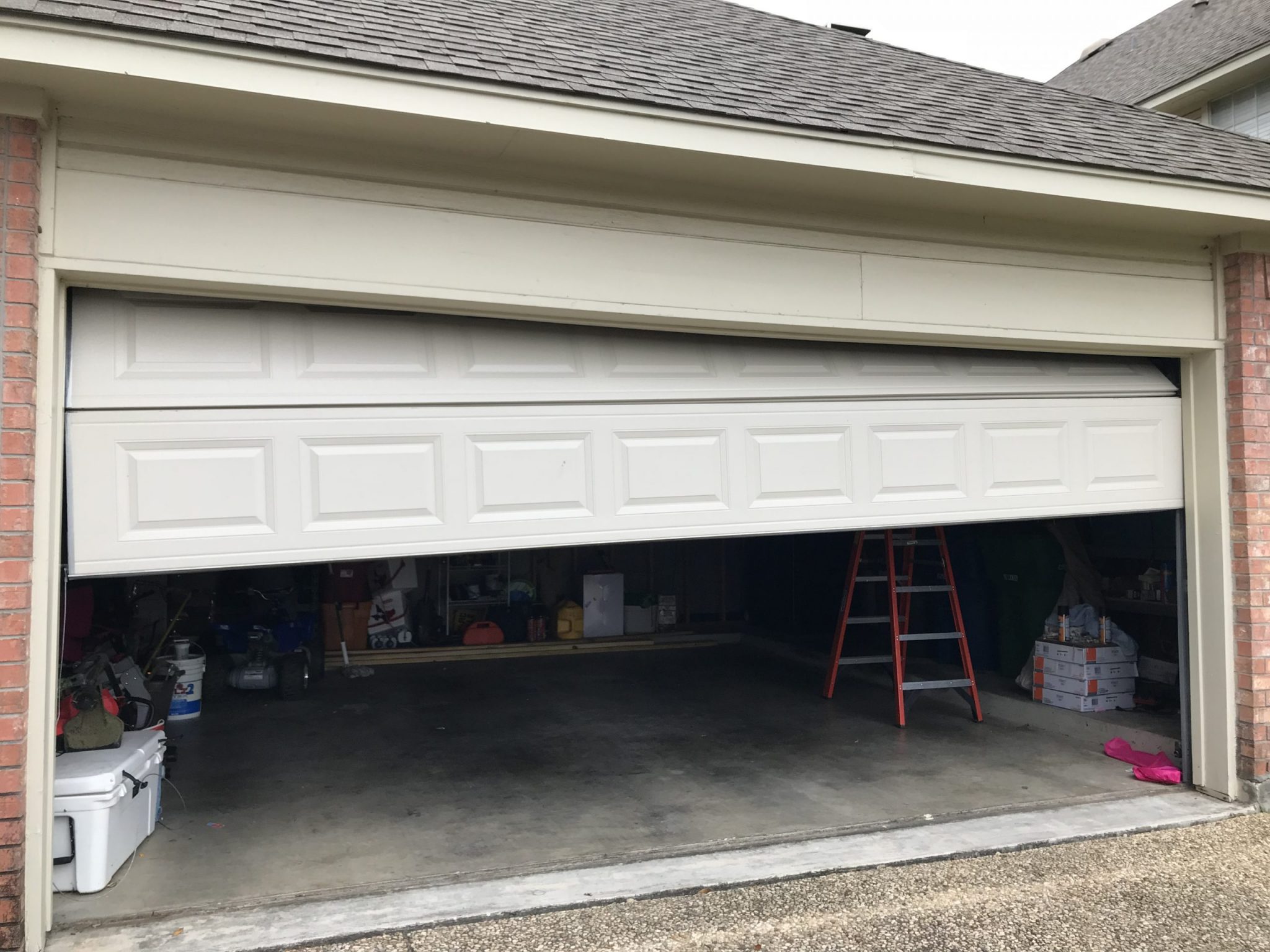
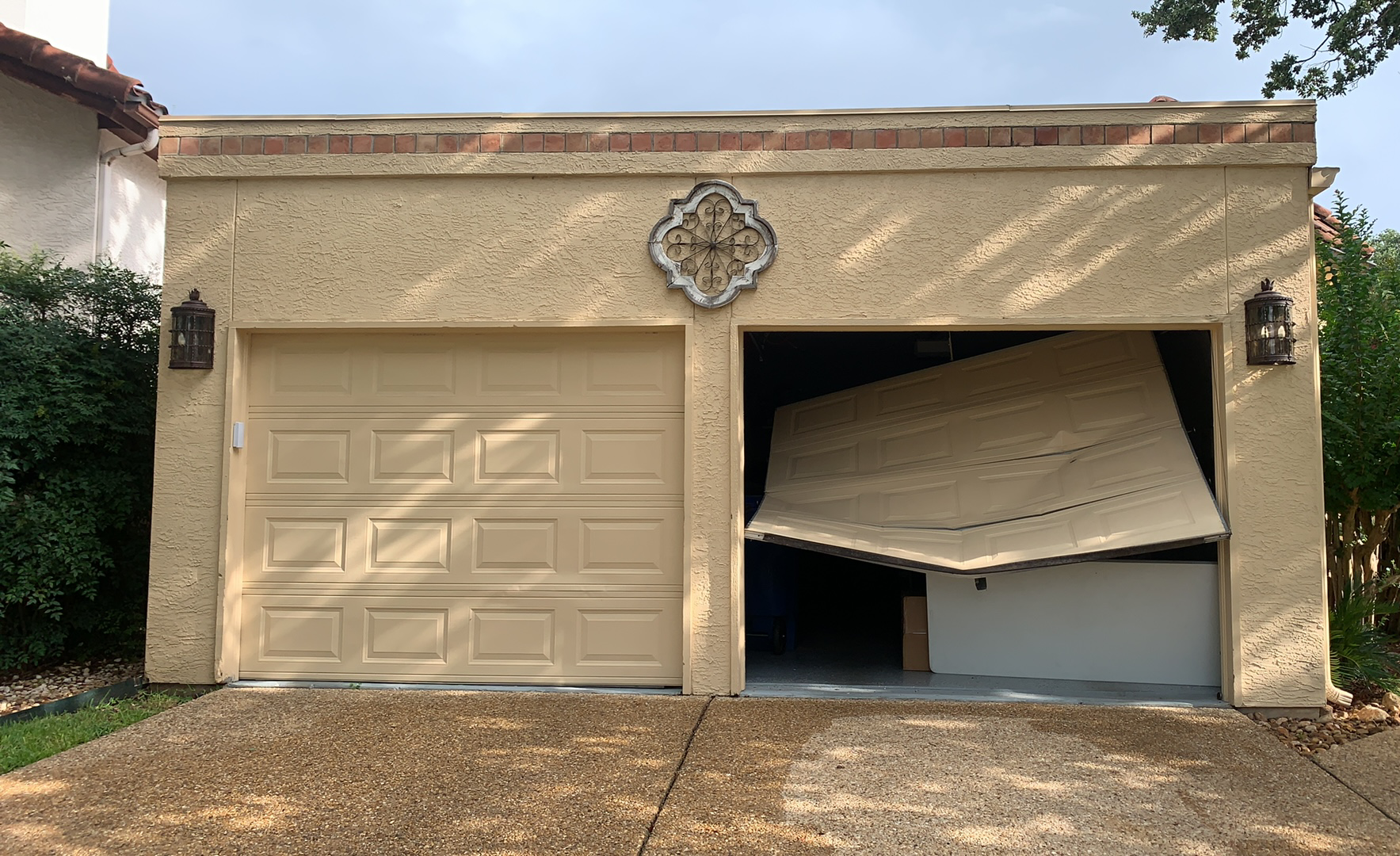
AA broken garage door cable can prevent the garage door from opening properly. When a cable snaps, the door may become crooked, jammed, or too heavy to lift safely. When a cable snaps, the door may become crooked, jammed, or too heavy to lift safely. If you keep using it, you might need expensive repairs. Replacing the cable before it breaks is a smart way to save money and avoid significant problems with your garage door later.
Common Reasons Garage Door Cables Break or Come Off
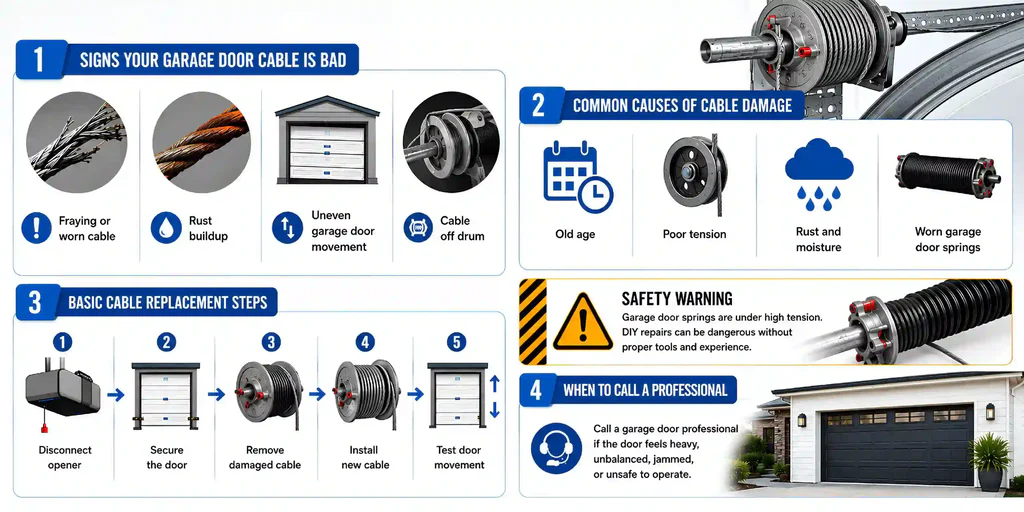
Garage door cables are key to your door’s safety and function. Damaged cables can lead to serious problems. Below are the common reasons and warning signs to watch for:
1. Rust Buildup
Rust forms when metal is exposed to moisture and air. Garage door cables can get rusty if they aren’t appropriately oiled. Rust weakens the metal slowly. If left untreated, it can cause the cable to snap and stop the door from working.
2. Fraying or Wear
Garage door cables rub against pulleys or drums every time the door moves. This friction causes the strands to fray slowly, weakening the cable and making it more likely to break. Always replace frayed cables before they fail.
3. Old Age
Most garage door cables last around 8 to 15 years. How often you use the door and how well you maintain it matter. Old cables can become brittle and snap without warning, making the garage door unsafe to use.
4. Poor Tension or Installation
If your garage door cable is too tight or loose, it wears out faster. Poor installation or skipped adjustments can cause more problems. Uneven tension adds strain to other door parts. A balanced cable keeps everything working smoothly and safely.
5. Cable Comes Off the Drum
A garage door cable can slip off the drum if the springs lose tension, the door becomes unbalanced, or the cable loosens over time. This often causes one side of the door to hang lower than the other. If the cable comes off completely, avoid forcing the door open because it can damage the rollers, tracks, or springs.
6. Visible Warning Signs
Watch for signs like loose or hanging cables, popping noises, or doors that don’t move evenly. A door that tilts or gets stuck may mean cable trouble. If you notice these signs, it’s time to check or replace the garage door cables.
Tools and Safety Tips to Change a Garage Door Cable
Before replacing a garage door cable, make sure you have the right tools and safety equipment:
- Winding bars: safely release and tighten spring tension
- Adjustable wrench: loosen and tighten bolts and brackets
- Vice grips or locking pliers: secure the garage door on the track
- Replacement cable: match the correct cable size and type
- Ladder: safely reach springs and drums
- Gloves and safety glasses: protect your hands and eyes during repair
Steps on How to Change Garage Door Cable
Learn how to change a garage door cable by unplugging the opener, securing the door, releasing spring tension, replacing the old cable, and testing the door safely.
Step 1: Open the Door and Clamp It
Lift the garage door all the way up. Place vice grips or clamps under the rollers on both sides. This keeps the door steady and safe while you work on it.
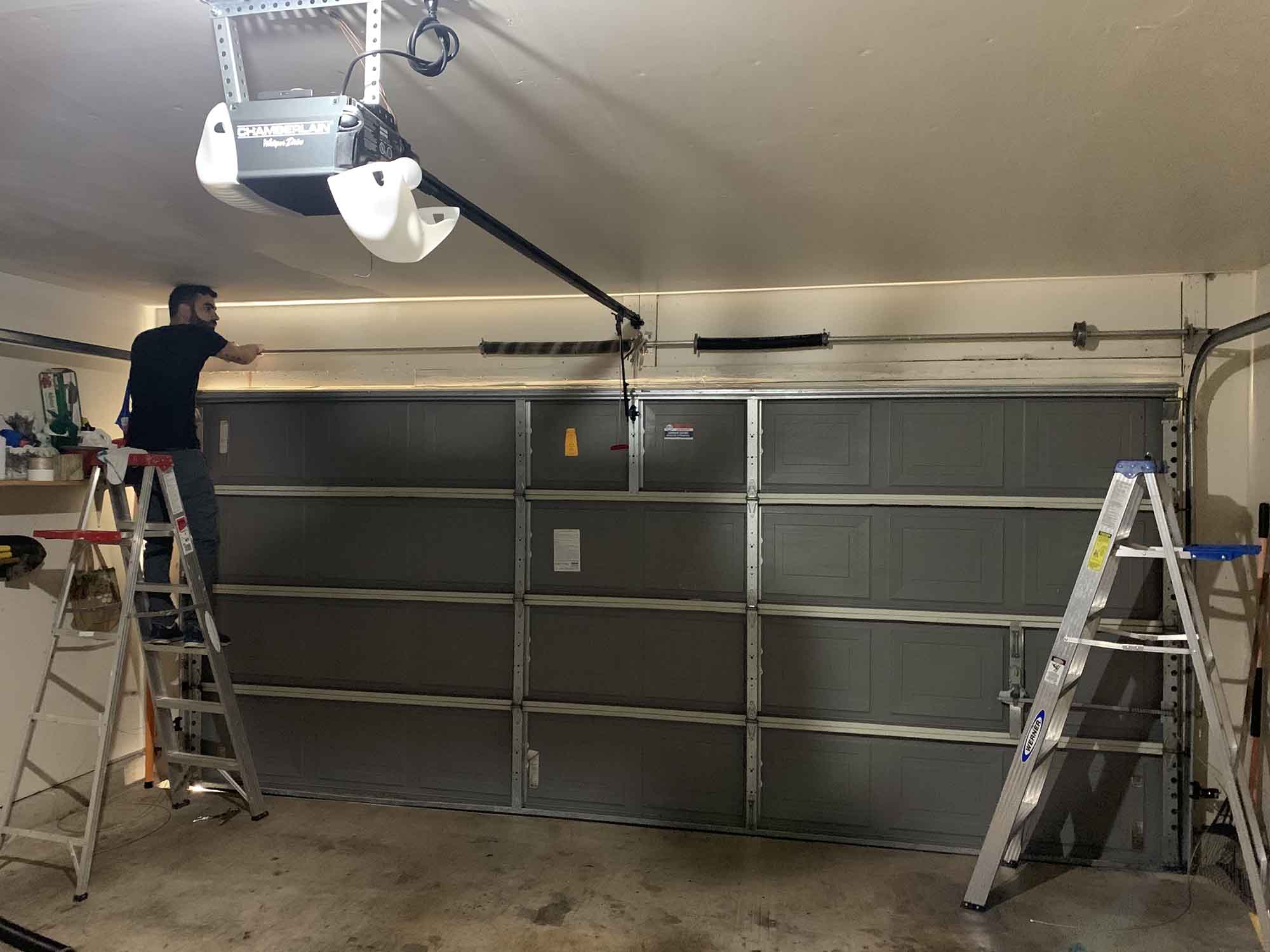
Step 2: Disconnect the Opener and Release Spring Tension
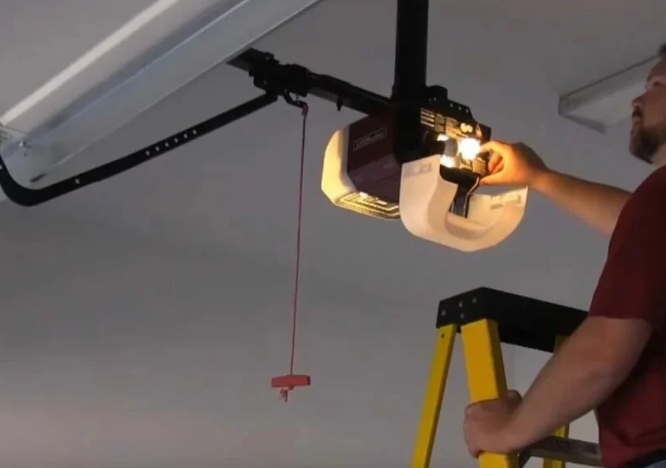
Use proper winding bars to carefully release spring tension one quarter-turn at a time. Never use screwdrivers or makeshift tools because they can slip under pressure and cause serious injury. Garage door cables work closely with the spring system, which means worn or damaged springs can also affect cable performance, door balance, and overall garage door safety.
Step 3: Remove the Old Cable
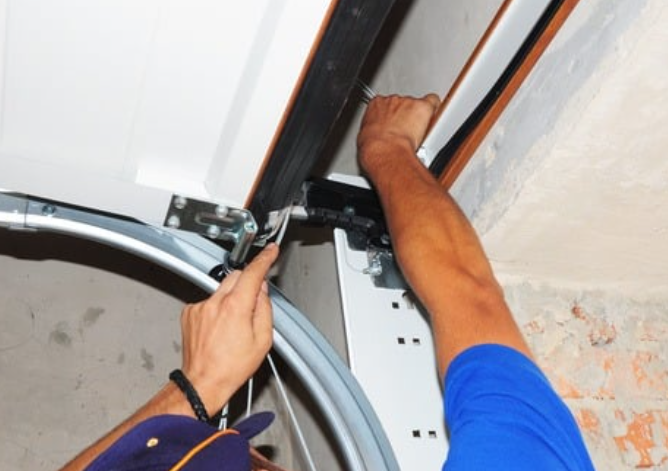
Look for the broken cable near the top drum and bottom bracket. Gently remove it from both places. If the cable is frayed or snapped, remove it carefully to stay safe.
Step 4: Match and Install the New Cable
Use the old cable to check the size of the new one. Connect the new cable to the bottom bracket first, then loop it around the drum. Make sure it’s tight and even.
Step 5: Rewind the Springs and Reattach Parts
Once the new cable is in place, use winding bars to rewind the torsion springs, tighten all bolts and brackets to ensure everything stays secure and functions properly.
Step 6: Remove Clamps and Test
Remove the vice grips or clamps. Plug the opener back in. Open and close the garage door a few times to make sure it moves smoothly without problems.
Step 7: Final Safety Check
Check everything closely. Look for loose bolts, uneven cables, or strange sounds. Stop and contact a professional garage door repair expert if the door feels unbalanced, makes unusual noises, or doesn’t move smoothly.
What to Do After You Change a Garage Door Cable
Keeping your garage door in good shape after a repair helps it last longer and work safely. Routine inspections and lubrication as part of regular garage door maintenance can help reduce cable wear and prevent unexpected garage door problems over time.
Here are some easy after-repair maintenance tips to follow:
1. Lubricate All Moving Parts
Spray garage door lube on the rollers, hinges, and drums every few months. This helps the parts move easily and stops squeaking. It also protects them from rust and wear, so your garage door lasts longer and works smoothly daily.
2. Check Cable Tension Monthly
Look at the cables once a month. They should not be too loose or too tight. If the tension is off, the door can become unbalanced or damaged. Keeping the proper tension helps your garage door work safely and last longer.
3. Inspect Rollers and Spring Alignment
Every 6 to 12 months, check that the rollers stay in the track and the springs look straight. If anything looks crooked or off, it might need a quick fix. This helps stop bigger problems before they start.
4. Replace Both Cables Together
If one cable breaks, change both at the same time. This keeps the garage door moving evenly and avoids putting too much pressure on one side. It also helps stop another sudden cable problem from happening soon after.
When Not to DIY: Changing a Garage Door Cable
Knowing when not to fix a garage door yourself is just as important as knowing how. Here are key situations where calling a garage door repair pro is safer.
1. No Experience with Springs
Garage door springs are very strong and can snap without warning. You could get badly hurt if you don’t know what you’re doing. It’s not safe to try. Let someone with the right skills handle spring work for you.
2. Cable Needs Spring Work
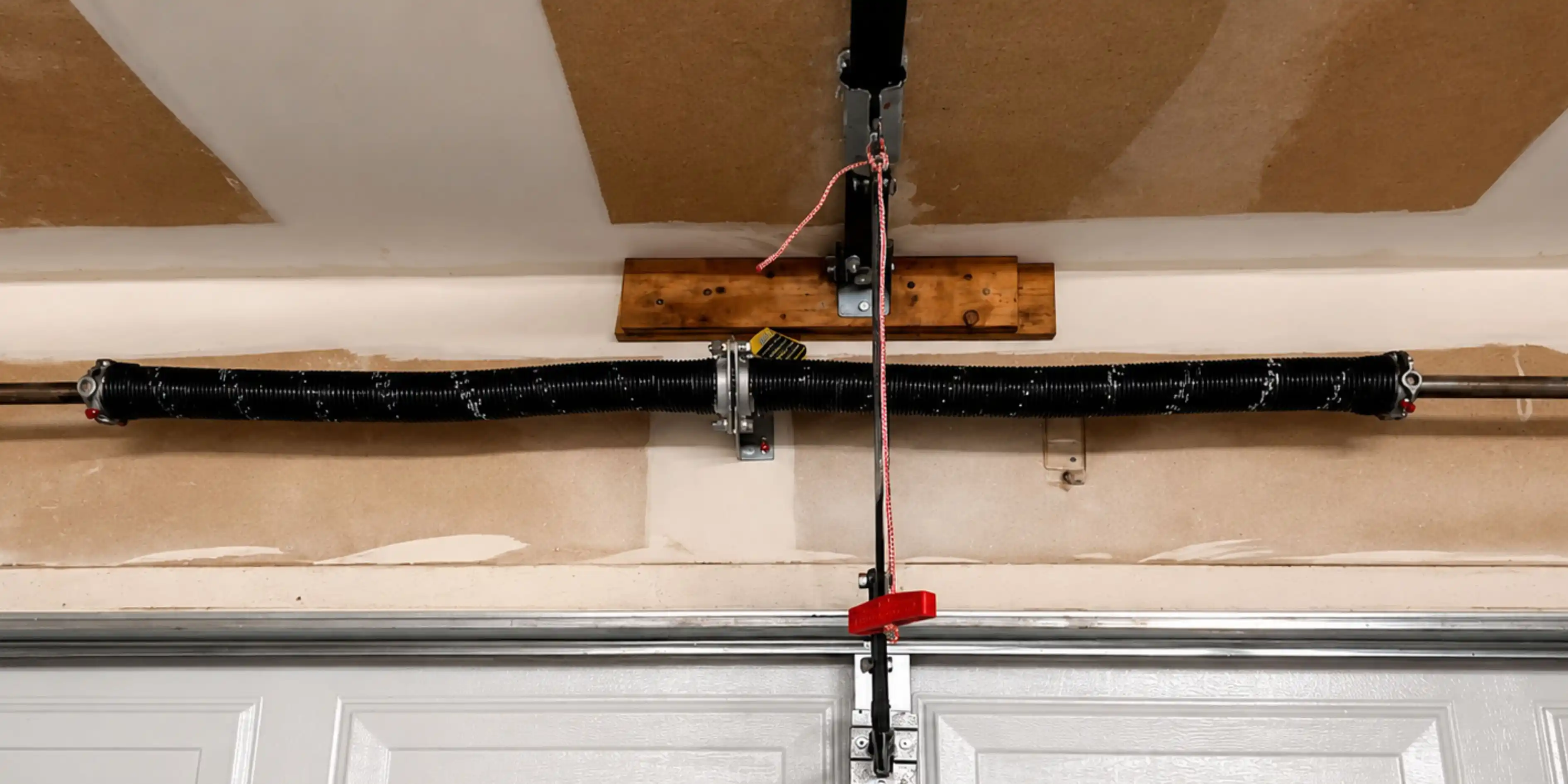
If the cable problem also means fixing or changing the spring, it’s best to call a pro. Springs are tricky and need special tools. One small mistake can cause an injury. Let an expert do it the safe and proper way.
3. Complex or Poor Setup
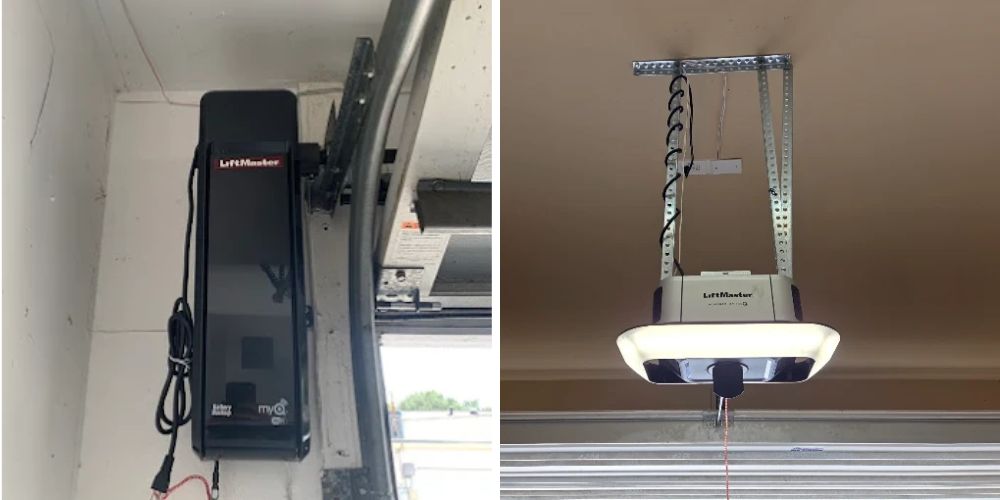
Some garage doors have smart openers, odd parts, or past repair mistakes. If things look confusing or not normal, don’t guess. A garage door pro can find the real problem quickly and fix it correctly without causing more damage.
4. Safety Over Savings
Trying to fix it yourself to save money can be dangerous. Call a garage door repair expert if the door feels too heavy, moves oddly, or you’re unsure. Getting help and ensuring everything works the right way is safer.
Garage Door Cable Repair vs Replacement
Some garage door cable problems can be repaired, while others require full replacement. Cables that slipped off the drum or have minor tension issues may sometimes be adjusted if the cable is still in good condition. However, frayed, rusted, stretched, or broken cables should usually be replaced to prevent sudden failure or uneven garage door movement.
In many cases, cable damage is connected to worn springs, loose hardware, bent tracks, or balance problems. If the garage door feels heavy, crooked, or unsafe to operate, a full inspection is often the safest way to identify the real cause before more damage happens.
Conclusion
Replacing garage cables might seem tough, but learning how to change a garage door cable can save you time and money. Following the proper steps makes a big difference in safety and results. With the right tools and focus, your garage door can work like new again.
Still, don’t push through if something feels off or too risky. Garage doors are heavy and under pressure, and mistakes can lead to injury or more damage. It’s always smart to call a trusted garage door repair expert for your safety and peace of mind.
If your garage door cable looks frayed, loose, or damaged, it’s important to address the problem early before it leads to bigger repairs or safety risks. While some homeowners may handle basic cable replacement, problems involving springs, drums, or uneven door garage door system.
Frequently Asked Questions
How Do You Open a Garage Door with a Broken Spring and Cable?
Opening a garage door with a broken spring and cable is unsafe and should be avoided. These parts help lift the door’s weight. Forcing it open can cause injury or damage. It’s best to call a garage door technician to handle the repair safely.
Can You Lift a Garage Door with a Broken Cable?
Lifting a garage door with a broken cable is dangerous. The door can become unbalanced and may fall suddenly. Even if it moves a little, it won’t stay open. For safety, stop using the door and contact a garage door expert right away for help.
Can I Replace My Garage Door Myself?
Replacing a garage door yourself is possible, but very risky without experience. It involves heavy panels, sharp parts, and high-tension springs. One mistake can lead to injury or property damage. It’s safer to let a garage door professional handle the full installation.
Can You Use Doorbell Wire for Garage Door Sensors?
No, the doorbell wire is too thin and not made for garage door sensors. Garage door sensors need strong, low-voltage wire that can withstand outdoor conditions and regular use. Using the wrong wire may cause the sensors to fail. Always use proper sensor wire for best results.
How Much Does It Cost to Weld a Garage Door Hinge?
Welding a garage door hinge can cost around $75 to $150, depending on the damage and labor involved. Some fixes may require extra parts or a complete hinge replacement. Prices vary by location and service call fees, especially for emergency or weekend repairs.
Can You Lift a Garage Door with a Broken Cable?
If one garage door cable breaks, the door can become uneven and extremely heavy on one side. Trying to lift it manually may damage the tracks, rollers, or spring system and could cause the door to fall unexpectedly. It’s safest to stop using the garage door until the cable system is inspected and repaired.
Can I Replace My Garage Door Myself?
Replacing a garage door yourself is possible, but it can be risky without proper tools and experience. Garage door systems use high-tension springs and heavy moving parts that can cause serious injury if handled incorrectly. Many homeowners can manage basic maintenance, but cable and spring repairs are often safer for a trained garage door technician.
How Long Do Garage Door Cables Last?
Most garage door cables last between 8 and 15 years depending on daily use, humidity, maintenance, and spring condition. Rust, fraying, loose strands, or uneven garage door movement are common signs the cables may need replacement sooner.
What Happens When a Garage Door Cable Snaps?
When a garage door cable snaps, the door may become crooked, jammed, uneven, or extremely heavy to lift. In some cases, the cable can come off the drum completely or cause one side of the door to drop suddenly. Continuing to operate the door may lead to additional damage or safety risks.
Can You Replace Only One Garage Door Cable?
Most garage door professionals recommend replacing both cables at the same time. Since both sides usually wear at a similar rate, replacing only one cable can create uneven tension and place extra strain on the garage door system.