Table of Contents

Your garage door cables play a crucial role in supporting the weight of the door, working hand in hand with the garage door springs to ensure smooth, balanced movement every time you open or close it. When these cables begin to fray, rust, or snap, your entire system can fail unexpectedly, putting your home’s safety at risk. Worn or damaged cables not only affect performance but also pose serious hazards to anyone nearby.
Searching for professional garage door cable replacement near you is the safest and most reliable solution. Experienced technicians possess the necessary tools and expertise to safely replace cables under high tension, thereby preventing further damage or injury. With expert installation and quality materials, your garage door will operate safely, efficiently, and for years to come.
Why Professional Garage Door Cable Replacement Matters for Lasting Safety
Garage door cables operate under immense tension, supporting the heavy weight of the door every time it opens and closes. When these cables begin to fray, rust, or snap, the door can drop suddenly, posing serious safety risks to anyone nearby and potentially damaging your property. The safest and most reliable solution is to hire a trained garage door technician. Professionals have the right tools, experience, and knowledge to handle high-tension systems safely, ensuring every installation is precise and secure.
For homeowners, choosing professional garage door cable replacement ensures long-term reliability and peace of mind. Certified technicians properly adjust and balance the cable tension, preventing excess strain on your garage door opener and springs. With expert service and correct installation, your door operates smoothly, safely, and efficiently, protecting your family and extending the lifespan of your entire garage door system.
If you’d like to understand more about how a simple replacement can improve both safety and functionality, don’t miss our article Can Replacing a Garage Door Cable Improve Safety and Performance?.
Common Risks of Faulty Garage Door Cables in San Antonio
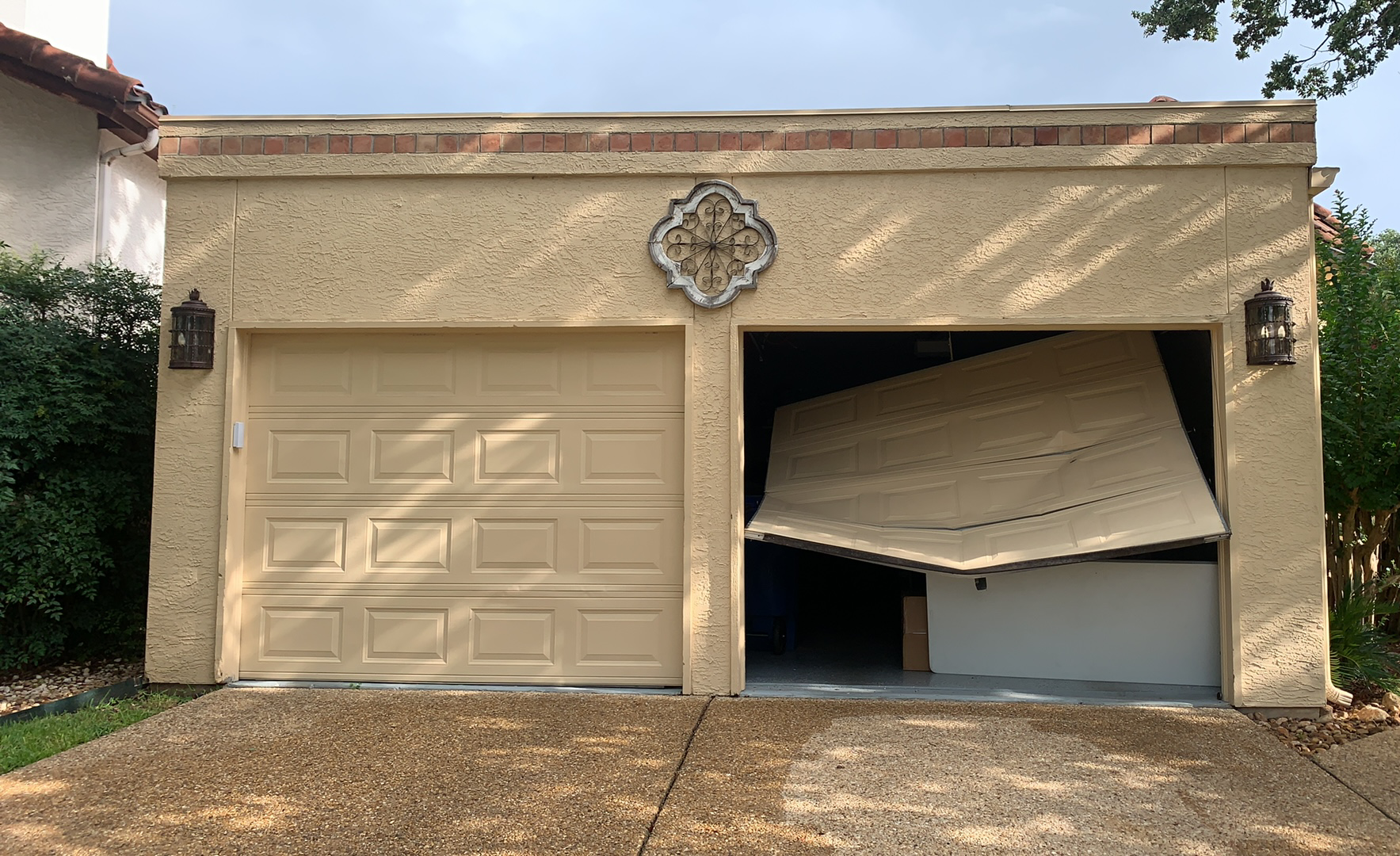
Ignoring a worn or damaged garage door cable can lead to serious problems. If a cable snaps, the door’s balance is lost, and it can come crashing down in an instant, endangering anyone nearby and damaging your car or belongings. In San Antonio homes, where frequent temperature changes and humidity can speed up wear, staying proactive with cable maintenance is crucial.
It’s essential to understand the hidden dangers of ignoring garage door cable damage. When one cable fails, the remaining components, including the springs, openers, and even door tracks, are forced to work harder. This added strain can lead to faster wear, costly repairs, and potential system failure.
Common risks of faulty garage door cables include:
- Unexpected Door Failure: The garage door can drop suddenly, creating an unsafe environment.
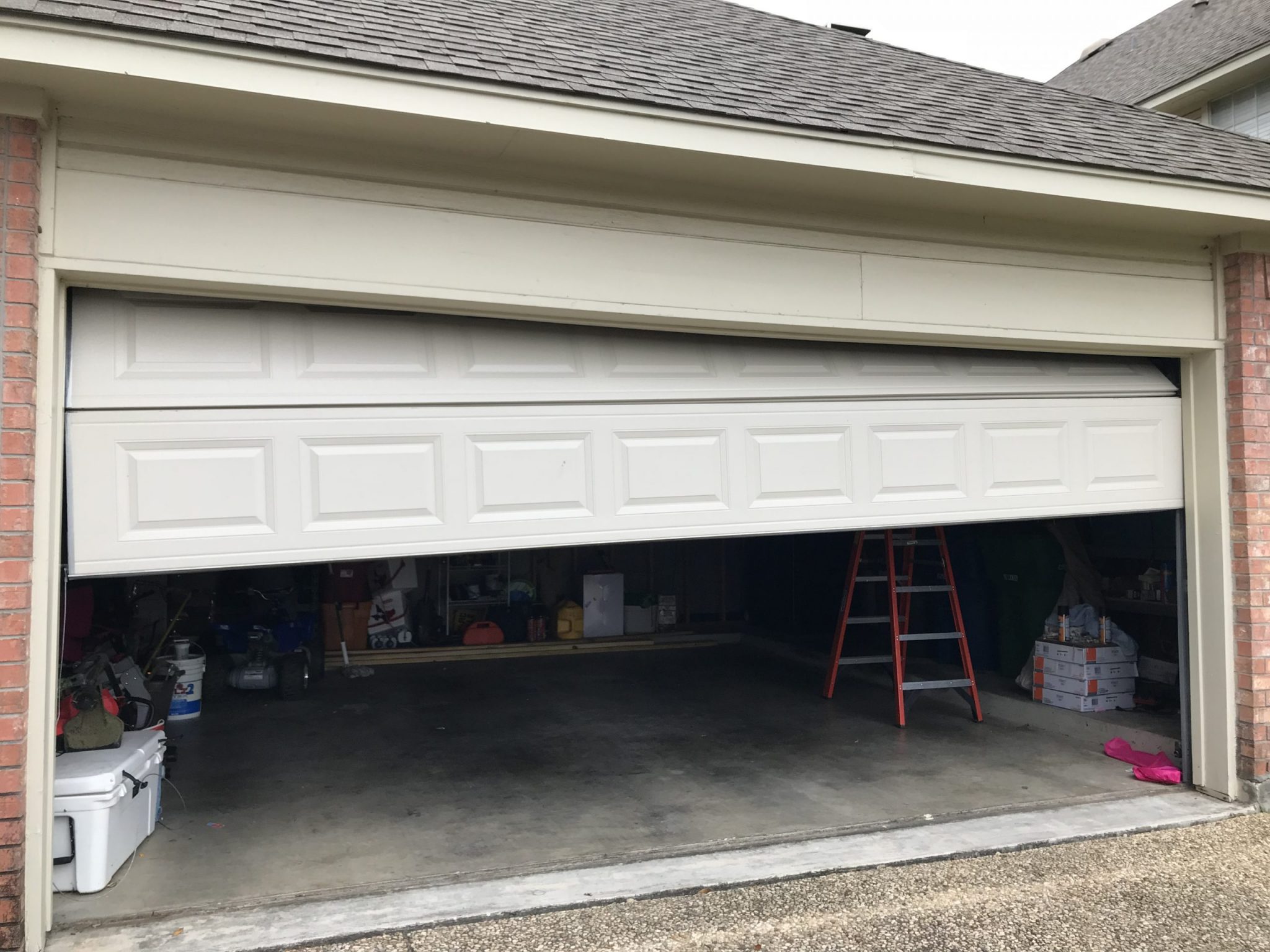
- Misaligned or Jammed Door: A loose or broken cable may cause the door to tilt, shake, or get stuck.
- Increased Wear on Other Parts: Extra tension stresses your garage door opener and springs, leading to further damage over time.
Want to avoid these issues before they turn dangerous? Be sure to read our post The Hidden Dangers of Ignoring Garage Door Cable Damage.
How Replacing Garage Door Cables Improves Home Safety and Performance
Replacing your garage door cables is one of the most effective ways to improve both safety and performance in your home. New, high-strength cables eliminate the risk of your heavy garage door falling unexpectedly, providing peace of mind every time you use it. With reliable cables in place, homeowners can safely operate their garage door daily without fear of injury or property damage.
When garage door cables are installed correctly, your door regains perfect balance and smooth motion. It glides effortlessly along the tracks, reducing pressure on the torsion springs and garage door opener. Proper cable tension also minimizes noise and vibration, keeping the system quiet and efficient. Over time, this prevents unnecessary wear and helps your entire setup last longer.
Key benefits of professional garage door cable replacement include:
- Restored Balance: The door opens and closes evenly without wobbling.
- Reduced Strain: Less stress is placed on the springs and opener motor.
- Enhanced Safety: Eliminates the risk of sudden door drops caused by cable failure.
A consistent maintenance schedule helps extend the lifespan of your cables and springs. Homeowners who perform seasonal checks and apply the recommended light lubrication can prevent many common mechanical failures before they occur.
Following the safety practices recommended in UL 325 and ANSI/DASMA guidelines helps reduce the risk of unexpected door failure, especially in climates where heat and humidity accelerate cable wear.
How Professionals Identify Garage Door Cable Damage
When inspecting a garage door cable, professionals use a thorough and systematic approach to identify damage before it becomes dangerous. They don’t just inspect for completely snapped cables; they also search for early warning signs most homeowners overlook. This includes checking for frayed wires, rust, and corrosion along the length of the cable, which can weaken the system over time.
Technicians also examine the cable drums, which guide the wires as the door moves. Uneven wear on these drums can reveal deeper alignment problems within the garage door system. To ensure safety, they test the door’s balance, listening closely for grinding, scraping, or squeaking sounds while it opens and closes. This process allows professionals to detect the source of the issue and address it before it leads to a sudden cable snap or door malfunction.
Telltale Signs Your Garage Door Cable Needs Replacement
One of the most obvious indicators that it’s time for a garage door cable replacement is visible wear and tear. Frayed or rusty cables are weak and may snap without warning, posing a risk to homeowners and property. If you spot any of these issues, it’s essential to contact a professional for garage door cable repair immediately to prevent the problem from escalating.
Changes in your garage door’s movement can also signal cable trouble. If your door opens unevenly, moves jerkily, or gets stuck halfway, it may mean one cable has stretched, slipped, or lost tension. This imbalance affects the garage door springs, increasing wear and making the system unsafe. Recognizing how garage door cable wear impacts smooth operation helps you catch these warning signs early and prevent costly repairs.
To better understand how cable wear affects the performance and motion of your door, check out our guide, ‘How Garage Door Cable Wear Impacts Smooth Operation.‘
Watch for these key signs of garage door cable damage:
- Frayed, split, or rusty wires along the cable
- Grinding, squeaking, or snapping noises when operating the door
- Loose or sagging cables on one or both sides
- A door that leans, sticks, or struggles to open and close smoothly
The Difference Between Garage Door Cable Types and Choosing the Right One
Not all garage door cables are created equal. The right type depends on the spring system your door uses, and selecting the wrong one can lead to malfunction, uneven operation, or even safety hazards. The two central systems, torsion springs and extension springs, each require cables specifically designed to match their unique mechanisms. Using an incompatible cable can cause your door to fail prematurely or operate unsafely.
When handling garage door installation or repairs, it’s crucial to choose the correct cable type, length, and thickness to fit your door’s weight and height. A professional garage door technician understands these details and ensures the cables align perfectly with the spring system. This level of precision helps maintain safety, performance, and smooth operation every time you open or close your garage door.
Torsion Spring Cables vs. Extension Spring Cables Explained
The main difference between torsion and extension spring cables lies in their structure and how they interact with the door system. Torsion spring cables are usually thicker, with a looped end that connects to the bottom bracket of the door. The opposite end wraps around cable drums attached to the torsion bar, which rotates to lift the door evenly. This setup provides controlled, balanced motion for heavier garage doors.
Extension spring cables, however, work within a pulley system. They run from the bottom bracket, over a pulley, and connect to extension springs along the horizontal tracks. These cables often include a safety cable running through the middle of the spring to keep it from snapping loose if it breaks. While both systems rely on high-tension cables, the replacement and adjustment processes differ, and professionals should always handle both to prevent injury or damage.
Feature | Torsion Spring Cables | Extension Spring Cables |
System Type | Used with torsion springs mounted on a bar above the door. | Used with extension springs that stretch along the side tracks. |
Function | Wind around a drum to lift the door. | Run through a pulley system connected to the springs. |
Attachment | One end has a simple loop; the other is secured to the drum. | Connects to the spring and is routed through pulleys. |
Matching Garage Door Cables to Door Type and Size
Choosing the right garage door cable isn’t a one-size-fits-all task. Each home and door type requires careful consideration of cable thickness, length, and strength to ensure smooth and safe operation. A cable that’s too thin may snap under the door’s weight, while one that’s too thick can cause improper movement or prevent it from fitting correctly on the drum. Selecting the right cable is a key step in any garage door installation or replacement.
For homeowners, choosing a cable without expert help can be both challenging and risky. Professionals evaluate the door’s height, weight, and material to determine the ideal cable match. Heavier doors made from wood or insulated steel require stronger, thicker cables, while lighter aluminum doors function best with thinner ones. Taller garage doors also need longer cables to maintain balance and prevent strain on the springs.
Here are the key factors to consider when selecting garage door cables:
- Door Weight: Heavier doors need thicker, more durable cables.
- Door Height: Taller doors require longer cables for proper lift.
- Spring System: The type of spring system, torsion or extension, determines the correct cable end and attachment style.
What to Expect from Professional Garage Door Cable Repair Services
When you call for professional garage door repair, you can expect a trained technician equipped with the right tools, experience, and expertise to arrive ready to help. They’ll begin with a thorough inspection of your garage door system, not just the broken cable, but every component that may have contributed to the issue. This ensures a long-term, safe solution instead of a temporary repair.
If you’re a homeowner, the technician will explain the problem clearly and provide a straightforward, transparent quote before starting work. You’ll understand exactly what repairs are needed, from garage door cable replacement to adjustments on the garage door opener or springs if required. The goal is to restore your door’s safety, balance, and performance while giving you peace of mind knowing the work is done right.
Steps Taken by Experts in Garage Door Cable Replacement
Replacing garage door cables is a delicate process that requires precision and safety. Professional technicians follow a strict, step-by-step procedure to ensure everything is done correctly. First, they secure the door in place and disconnect the garage door opener to prevent accidental movement.
Next, they carefully release the high spring tension using specialized winding bars, a critical step that should never be attempted without training. Once the tension is safely released, they remove the old, damaged cable from the drum and bottom bracket, then install a new, properly sized cable. Finally, they reset the tension, test the balance, and verify smooth door operation.
The key steps professionals take include:
- Securing the garage door and disconnecting the opener.
- Releasing spring tension safely with professional winding bars.
- Removing the old cable and installing the new one correctly.
- Resetting the tension and testing for smooth, even operation.
Certified technicians follow a precise process to manage high-tension systems safely.
Recommended Safety Protocols Used by Garage Door Professionals
Safety is the top priority during any garage door cable repair or replacement. Before starting, technicians always unplug the opener to prevent accidental activation and use sturdy clamps or locking pliers to hold the door securely in place. This prevents the heavy door from falling unexpectedly during the repair.
Working with torsion springs requires advanced skill and proper tools. Professionals use only approved winding bars, never makeshift tools like screwdrivers, to safely adjust spring tension. They also wear protective gloves and safety glasses to prevent injury from flying debris or sudden tension release.
Essential safety protocols include:
- Unplug the garage door opener and secure the door.
- Using proper tools, such as certified winding bars, for spring tension work.
- Wearing protective gear like gloves and safety glasses at all times.
Your garage door cables are the backbone of your door’s performance and safety. They bear the heavy weight of the door, maintain proper balance, and ensure smooth, quiet operation. When these cables start to fray, rust, or weaken, your garage door can become unstable quickly, putting your home, family, and property at risk. Investing in professional garage door cable replacement near me is the most innovative way to protect your home from sudden failures or accidents. Expert technicians not only replace damaged cables safely but also fine-tune the tension, inspect related components, and restore your door to peak performance.
At Mojo Garage Door Service, we provide trusted, professional garage door repair and cable replacement designed for lasting safety and reliability. Our skilled team utilizes high-quality materials and proven techniques to ensure your garage door operates smoothly and reliably for years to come. Whether you need a routine checkup or an urgent cable replacement, we’re here to help you keep your system strong, secure, and efficient. Don’t wait until a cable snaps. Contact us today or call us to schedule your professional garage door service and experience the confidence that comes with expert care.
Frequently Asked Questions
How can I tell if my garage door cable needs to be replaced?
Check for items such as frayed cables, rust, or broken strands. You should also inspect for a door that looks crooked or is stuck. Sometimes, the wireshang loosens because there is not enough tension. If you hear grinding noises when opening or closing the door, that is a sign that something is wrong. When you encounter one or more of these issues, contact a professional immediately. It’s essential to address the issue before the garage door cable snaps.
What safety precautions should I take when replacing a garage door cable?
Garage door springs can be hazardous. It is best not to try to repair them yourself. Only let professionals do this work. They will unplug the garage door opener to ensure their safety. Next, they clamp the door so it does not move. They use special winding bars to handle the tension in the torsion springs. Repairing the garage door opener and springs should always be left to the experts.
Can I replace a broken garage door cable without professional help?
No, homeowners should not try to repair a broken garage door cable. Garage door springs have a lot of tension. If you touch them the wrong way, you could get injured or even worse. When a garage door cable snaps, it can be hazardous. You should always call an expert to repair this kind of problem.
How do I choose the right garage door cable for my door size?
The cable you need depends on the height of the garage door and the type of spring system you have. If your door is heavier, you will need a thicker cable. If your door is taller, you will need a longer cable. A technician will inspect your garage door system and select the correct cable. This way, homeowners get safe and good garage door installation.
What is the difference between a torsion spring cable and other garage door cables?
Torsion spring cables work with a spring that sits on a bar above the door. The spring goes around the drums when the door moves. Extension spring cables are different. These go with springs that stretch along the side tracks. They are part of a pulley system that helps lift the door. Each cable is made to fit a garage door system.
How long do garage door cables last?
With proper garage door cable maintenance and regular use, garage door cables typically last between 5 and 7 years. Factors such as high humidity, insufficient lubricant on the cable, and incorrect cable tension can cause them to wear out more quickly. Homeowners should check their cables often. This helps spot problems before the cables stop working.
How can I prolong the life of my garage door cables?
To extend the lifespan of your cables, consider scheduling a professional inspection annually. A technician will lubricate the pulley and inspect the cable tension to ensure proper operation. Homeowners should also inspect for any fraying or rust. Addressing minor issues promptly and performing regular maintenance helps prevent premature breakage and saves money on repairs.
Should I replace both garage door cables at the same time?
Yes, you need to replace both garage door cables simultaneously. The two cables wear out together. If one cable breaks, the other is weakened and bears more pressure. Replacing both keeps the door balanced and stops the second cable from breaking soon after.
What tools are needed for garage door cable replacement?
Experienced technicians repair garage door springs using specialized tools and equipment. They use winding bars to adjust the springs. To keep the door steady, they grab it with locking pliers or clamps. Wrenches also help them do the job. If you try to repair the door with the wrong tools, it can be hazardous. That is why you should let trained experts handle your garage door springs. They know what to do, have the right tools, and stay safe.
How much does it typically cost to replace a garage door cable?
The price may vary depending on your location and the type of spring system you have. It can also increase if the garage door cable snaps and another component gets damaged. Suppose you need a professional to handle garage door installation and repair your cable. In that case, the cost often depends on the complexity of the job and the rates charged by professionals in your area.
Check for items such as frayed cables, rust, or broken strands. You should also inspect for a door that looks crooked or is stuck. Sometimes, the wireshang loosens because there is not enough tension. If you hear grinding noises when opening or closing the door, that is a sign that something is wrong. When you encounter one or more of these issues, contact a professional immediately. It’s essential to address the issue before the garage door cable snaps.
Garage door springs can be hazardous. It is best not to try to repair them yourself. Only let professionals do this work. They will unplug the garage door opener to ensure their safety. Next, they clamp the door so it does not move. They use special winding bars to handle the tension in the torsion springs. Repairing the garage door opener and springs should always be left to the experts.
No, homeowners should not try to repair a broken garage door cable. Garage door springs have a lot of tension. If you touch them the wrong way, you could get injured or even worse. When a garage door cable snaps, it can be hazardous. You should always call an expert to repair this kind of problem.
The cable you need depends on the height of the garage door and the type of spring system you have. If your door is heavier, you will need a thicker cable. If your door is taller, you will need a longer cable. A technician will inspect your garage door system and select the correct cable. This way, homeowners get safe and good garage door installation.
Torsion spring cables work with a spring that sits on a bar above the door. The spring goes around the drums when the door moves. Extension spring cables are different. These go with springs that stretch along the side tracks. They are part of a pulley system that helps lift the door. Each cable is made to fit a garage door system.
With proper garage door cable maintenance and regular use, garage door cables typically last between 5 and 7 years. Factors such as high humidity, insufficient lubricant on the cable, and incorrect cable tension can cause them to wear out more quickly. Homeowners should check their cables often. This helps spot problems before the cables stop working.
To extend the lifespan of your cables, consider scheduling a professional inspection annually. A technician will lubricate the pulley and inspect the cable tension to ensure proper operation. Homeowners should also inspect for any fraying or rust. Addressing minor issues promptly and performing regular maintenance helps prevent premature breakage and saves money on repairs.
Yes, you need to replace both garage door cables simultaneously. The two cables wear out together. If one cable breaks, the other is weakened and bears more pressure. Replacing both keeps the door balanced and stops the second cable from breaking soon after.
Experienced technicians repair garage door springs using specialized tools and equipment. They use winding bars to adjust the springs. To keep the door steady, they grab it with locking pliers or clamps. Wrenches also help them do the job. If you try to repair the door with the wrong tools, it can be hazardous. That is why you should let trained experts handle your garage door springs. They know what to do, have the right tools, and stay safe.
The price may vary depending on your location and the type of spring system you have. It can also increase if the garage door cable snaps and another component gets damaged. Suppose you need a professional to handle garage door installation and repair your cable. In that case, the cost often depends on the complexity of the job and the rates charged by professionals in your area.