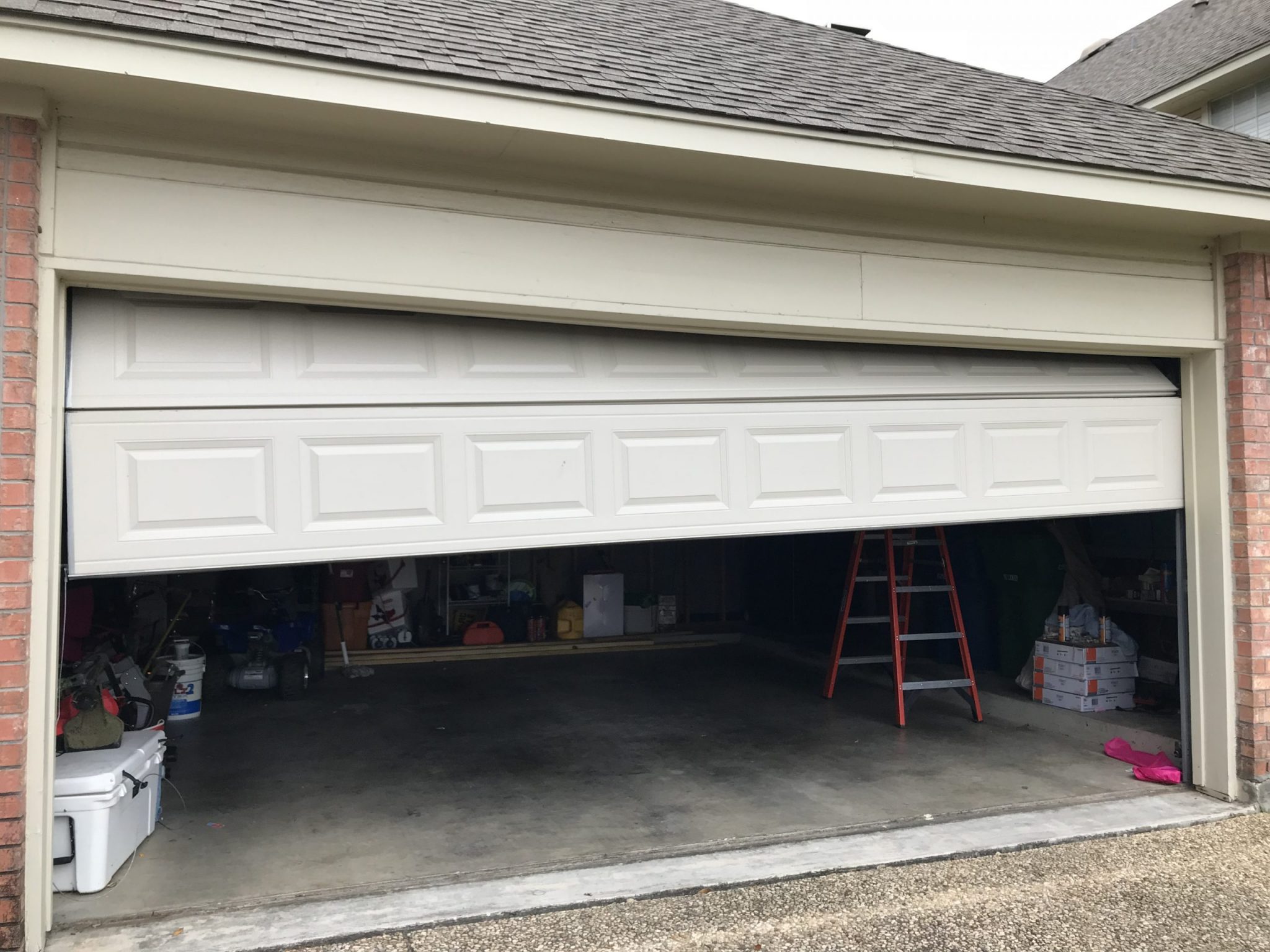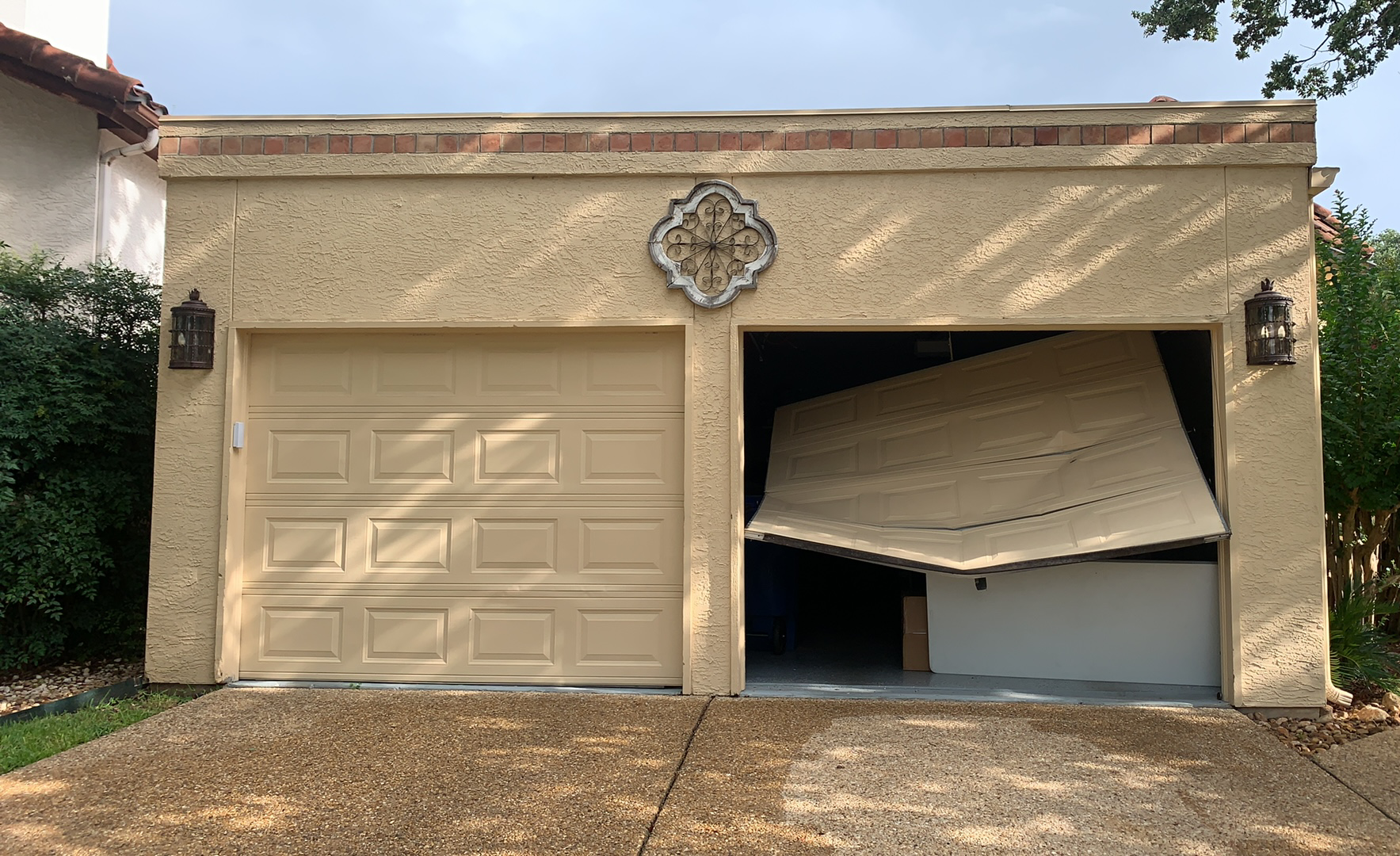
Your garage door is one of the largest moving systems in your home and often cycles multiple times a day. Because it’s so familiar, many homeowners don’t notice small changes until the door starts running unevenly or stops working altogether. If you hear loud noises like grinding, scraping, squeaking, or banging, it’s a sign to check the door. A steady garage door tune-up schedule supports safer operation, smoother door travel, and better performance from the opener and safety sensors.
Residential garage door maintenance is most effective when it’s planned before problems grow. A professional garage door tune-up includes inspecting high-tension components such as springs and cables, making adjustments, testing auto-reverse and photo-eye sensors, and lubricating as needed. Knowing the best time to schedule spring replacement service helps you stay ahead of wear and tear, reduce unexpected repairs, and keep the door operating reliably as part of your daily routine.
Understanding the Importance of Regular Garage Door Maintenance
A garage door system should be treated like any other major appliance at home; it needs consistent care to operate correctly. Regular garage door maintenance helps homeowners identify early signs of wear before they become larger repair issues or safety hazards. Routine checks ensure smooth movement, reliable opening and closing, and proper operation of built-in safety features.
Each time the door moves, multiple garage door parts work together under constant tension. Over time, this daily use can cause wear on springs, cables, rollers, hinges, and the opener system. Scheduling a yearly garage door tune-up allows a technician to inspect these parts, confirm proper alignment, and address minor issues early, preventing them from escalating into major problems. This approach helps the system remain reliable, supports long-term performance, and keeps the garage door operating safely year after year.
For a clear routine that balances quick monthly checks with professional service, read How Often Should Homeowners Do Garage Door Maintenance?
Why Garage Door Tune-Ups Matter for Homeowners
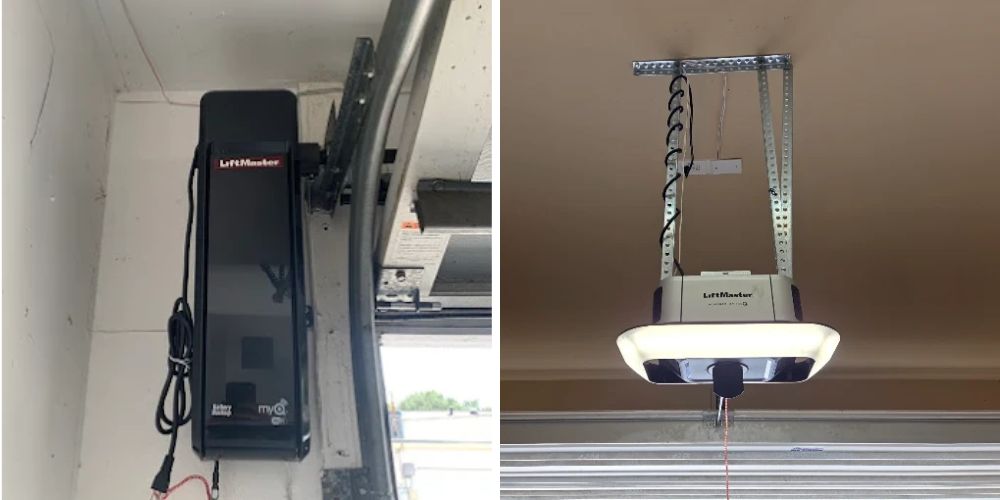
A garage door tune-up supports safer, more reliable daily access and provides homeowners with added peace of mind. During professional service, a technician performs inspection and checking of key garage door components, including garage door spring repair, springs, cables, rollers, tracks, hinges, and the garage door opener. This helps confirm proper operation, supports safety features such as auto-reverse and photo-eye sensors, and reduces the safety risks associated with sudden breakdowns.
Garage door tune-ups are also a smart form of preventive care. When early wear shows up, like frayed cables, loose hardware, or rough roller movement, an expert can identify it during the visit and recommend timely repair, especially since components endure extreme tension. Addressing minor issues early often prevents a larger chain reaction that forces other parts to work harder.
Pay attention to warning signs such as unusual noises, slower door travel, shaking, or a door that sits unevenly in the opening. These symptoms can point to alignment problems, spring tension issues, or opener settings that need adjustment. A professional tune-up can pinpoint the cause and help restore smooth, quiet operation.
How Scheduled Maintenance Can Extend Your Garage Door Lifespan
A consistent garage door maintenance routine is one of the most effective ways to extend system lifespan; just like other major home systems, a garage door benefits from preventative maintenance through routine service that reduces friction and supports smooth operation. A professional garage door tune-up helps keep parts working together with less resistance and balanced tension, which slows down normal wear over time.
Scheduled service also helps reduce the risk of more extensive repairs later. During professional inspection and checking, a technician can identify early concerns that may not be apparent in day-to-day use. Minor alignment issues, changes in spring tension, or early wear on rollers and cables can quietly place extra strain on the entire system if left unaddressed.
By maintaining their residential garage door regularly, homeowners help protect its long-term performance. A system that receives regular inspection, adjustment, and proper lubrication is more likely to operate smoothly year after year. Skipping service can allow minor issues to grow, increasing the chance of system-wide repairs or early replacement that could otherwise lead to costly repairs.
When Is the Right Time to Schedule a Garage Door Tune-Up
Knowing when to schedule preventive maintenance for the garage door and its opener can make a significant difference in performance and safety. Timing is critical: service is most effective before small issues and wear cause uneven door travel or unexpected repairs. Many homeowners schedule a garage door tune-up around seasonal changes, as temperature swings and weather shifts can affect alignment, lubrication performance, and overall operation.
You should also schedule service anytime you notice warning signs between appointments. If the door starts making unusual noises, hesitates, reverses unexpectedly, or struggles to open or close, contact a technician immediately. Quick inspection and checking can help stop a minor issue, such as early cable wear, track alignment problems, or opener setting concerns, from turning into a larger repair situation.
Ideal Frequency for Garage Door Maintenance
For most homeowners, scheduling an annual maintenance check is recommended. A yearly visit from a trained technician is sufficient to inspect, lubricate, and adjust your garage door system, ensuring it remains reliable and safe. This routine check helps maintain any existing warranties and prevents unexpected failures.
For most homeowners, scheduling service once per year is recommended. An annual garage door tune-up allows a trained technician to perform an inspection and check, apply lubrication where appropriate, and make adjustments to ensure reliable, safe operation. Consistent yearly service can also help you stay aligned with many manufacturer recommendations, and, in the long run, it may improve the longevity of your garage door system, though coverage terms may vary by product.
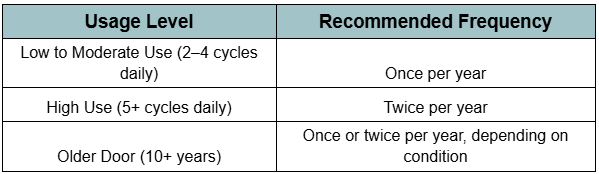
If your garage door is used daily, especially as a primary entry point, you may want to schedule service twice per year. Frequent cycling can accelerate wear on garage door components such as rollers, hinges, cables, and springs, so a mid-year visit can provide assurance that the system is operating smoothly.
A technician can recommend the optimal schedule based on the door’s age, condition, and usage patterns. Here’s a general guideline:
Best Seasons for Booking Garage Door Tune-Ups in San Antonio, TX
A garage door tune-up can be scheduled at any time of year, but spring and fall are often the most practical seasons for homeowners in San Antonio. These milder months help you prepare the door system before extreme heat or cooler weather affects garage door parts. Temperature swings can affect door travel, hardware tightness, and lubricant performance, so planning service before seasonal shifts helps ensure smoother operation.
A spring appointment is a smart way to inspect the system after winter conditions and confirm that rollers, hinges, tracks, and the opener are operating correctly before summer heat arrives. A fall visit helps prepare the door for cooler mornings, when metal parts can contract and movement can feel less smooth without proper lubrication. Scheduling service in these seasons also helps reduce the chance of performance issues during peak temperature changes.
Helpful times to schedule a tune-up include:
- Early spring (March–April)
- Late fall (October–November)
- Before a period of expected heavy use
- After severe weather or an accidental impact
How to Schedule a Garage Door Tune-Up
Scheduling a garage door tune-up is a straightforward step that can give homeowners greater confidence in daily operation. Start by selecting a local provider that works on residential systems and can clearly explain what their annual garage door inspection includes. Reviews can help you confirm service consistency and choose a company that communicates well and provides clear inspection notes after the visit.
Once you select a provider for garage door installation, set an appointment for a time when the garage door area is accessible. A technician will arrive, complete inspection and checking of the garage door and opener system, confirm safety sensor operation, evaluate spring tension and door balance, and apply lubrication where appropriate. If repair needs are identified, the technician should explain the condition, recommend next steps, and indicate when service should be completed, taking safety and performance into account.
What You Need Before Scheduling Maintenance
To help your appointment run smoothly, gather a few details about your garage door system before you call. Spend a minute watching the door open and close, and note anything that seems different. Listen for unusual sounds, observe whether door travel is smooth, and watch for delays when the opener starts. Clear observations help technicians inspect more efficiently and pinpoint potential repair needs faster.
It’s also essential to avoid hands-on work around high-tension and powered areas. Parts such as springs, cables, and opener wiring can be hazardous without training. Your role is simple: perform basic checks, record your observations, and share them with the professional so they can safely handle inspection, adjustment, lubrication, and repairs.
Before scheduling, try to have:
- Any issues you’ve noticed (noise, slow movement, uneven door travel, reversing)
- The approximate age of the door and garage door opener
- When the last garage door tune-up or annual garage door inspection was completed (if known)
- A clear path to the door, opener, and safety sensors so that inspection can be completed without delays
Step-by-Step Process for Booking a Professional Tune-Up
Booking a garage door tune-up with a garage door service professional is a simple process designed to match a homeowner’s schedule. The main goal is to have an expert visit your home, complete an inspection and check, and address minor concerns before they grow into larger repair needs. Clear communication during scheduling also helps the technician arrive prepared for your specific door and opener setup.
Start by selecting a trusted local provider, then contact them by phone or via an online request form. Be ready to describe what you’ve noticed, such as noise, uneven door travel, slow response from the opener, or sensor trouble, along with your preferred appointment times. The provider will confirm availability and schedule a visit that works for you.
Here’s a clear step-by-step process:
- Choose a local garage door service provider that works on residential systems
- Contact the office by phone or submit a request through the website
- Request an annual garage door tune-up and share any concerns you’ve noticed
- Provide your contact details and service address
- Select an available date and time and confirm the appointment
What to Expect During a Service Visit
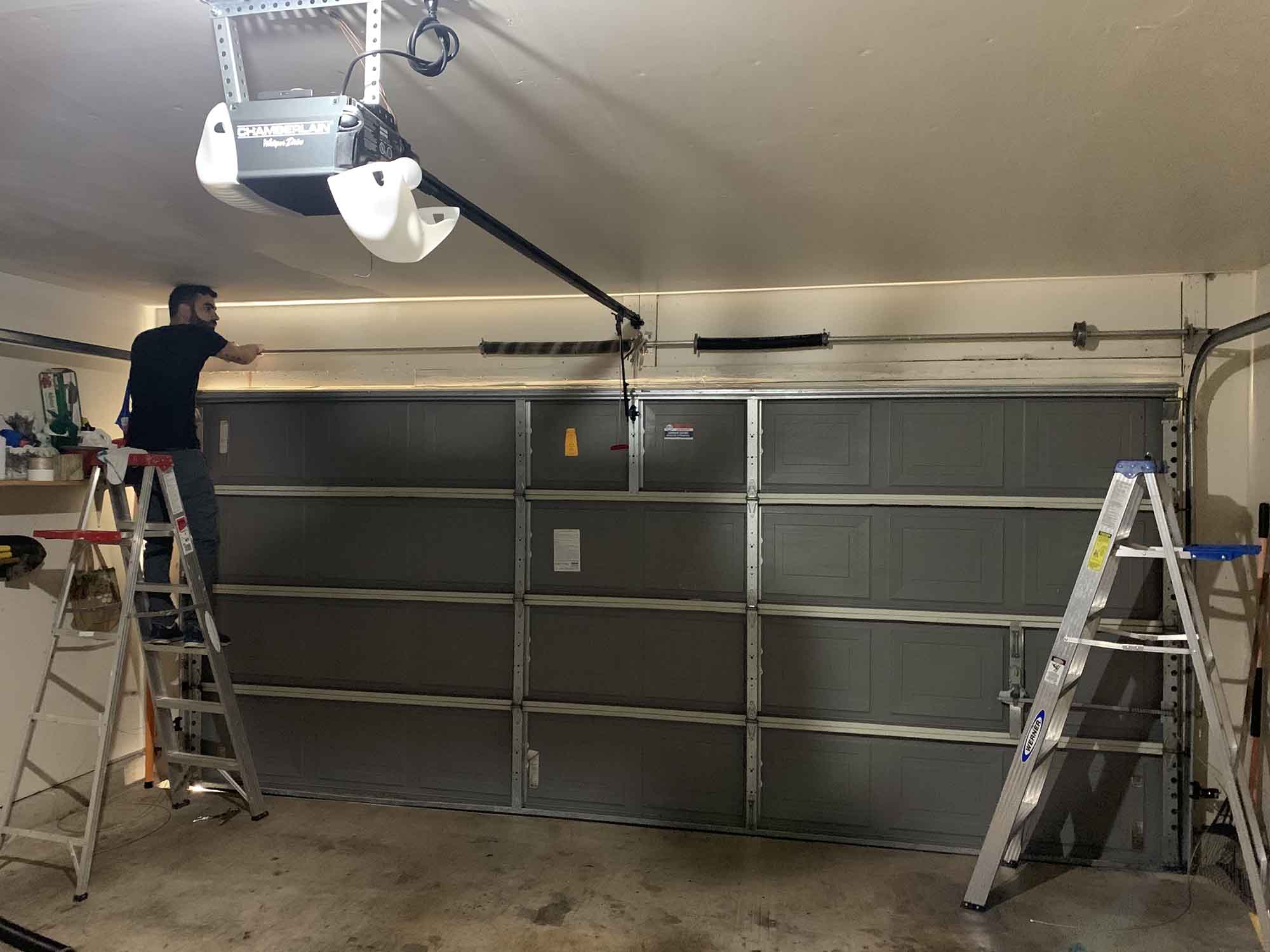
When a technician arrives for a professional garage door tune-up, they typically begin with a detailed inspection and checking process. This step helps confirm the condition of the garage door system and identifies concerns that may not be obvious during daily use. The technician will inspect garage door parts and safety features methodically, paying close attention to door travel, alignment, and performance of the opener.
After inspection, the technician completes any needed adjustments, tightens hardware, and applies the correct lubricant to approved moving points. They should explain what they’re checking, show you any worn or damaged areas, and answer questions so you understand what the system needs and why. If repairs are recommended, they will outline the next steps and the expected completion timeframe, taking into account safety and reliability.
During a typical service visit, a technician will:
- Complete a safety inspection with multi-point checking
- Apply garage-door-rated lubrication to essential moving parts such as hinges, rollers (when appropriate), bearings, and springs
- Tighten loose hardware to support stable operation
- Check door balance, spring tension, and opener settings
- Test auto-reverse and photo-eye sensor function
- Share a summary of findings and recommended repairs or follow-up service
What’s Included in a Professional Garage Door Tune-Up
A professional garage door tune-up is more than a quick check of the system. This preventive service includes a detailed inspection and testing of the most critical garage door components to ensure the door operates smoothly, remains safe, and remains dependable for daily use, thereby potentially avoiding costly garage door repairs. The goal is to confirm proper door travel, reduce wear, and identify early concerns before they turn into larger repair needs.
During a tune-up, a technician tests key safety features, inspects high-tension areas such as springs and cables, and makes minor adjustments when needed. This service also helps identify issues early, such as worn rollers, loose hardware, or opener settings, so repairs can be scheduled before performance declines. In many cases, routine tune-ups help reduce the likelihood of more involved repair visits later, including spring-related repairs.
If you want a detailed breakdown of the specific items a professional evaluates during service, read What Do Technicians Check in Annual Door Inspections?
Key Maintenance Tasks Performed by Technicians
During a garage door tune-up, a technician follows a structured inspection and checking process to confirm the system operates safely and smoothly. Using a detailed checklist helps ensure important garage door parts aren’t overlooked, especially in high-wear areas that can affect door travel and opener performance.
A technician closely inspects high-tension components, such as torsion springs, springs, and cables, for wear, corrosion, or fraying. They also apply garage-door-rated lubricant to approved moving points, such as hinges, bearings, and rollers, when appropriate, to reduce friction and support quieter operation. Safety features are verified as well, including photo-eye alignment and auto-reverse response, both critical to safe closing.
Key tasks typically include:
- Inspecting springs and cables for corrosion, wear, or fraying
- Applying lubrication to essential moving parts using a garage-door-rated lubricant
- Tightening loose hardware to support stable operation
- Checking door balance and spring tension for smoother door travel
- Testing auto-reverse and confirming photo-eye sensor alignment
- Identifying early concerns that could lead to larger repair needs if ignored
To recognize the most common warning signs that point to friction, buildup, or dry moving parts, read How Do You Know Your Garage Door Needs Lubrication?
The Role of Inspections in Preventing Major Issues
Regular inspection is a critical part of garage door maintenance because it helps prevent minor issues from escalating into potential issues and major repairs. Routine checking allows a trained technician to spot early wear that a homeowner may miss, especially in areas where the door operates under high tension. When problems are identified early, before a part fails, the door is more likely to stay reliable, safe, and consistent in daily use.
Unusual noise is one of the most common early warning signs of a malfunctioning garage door. Grinding, squeaking, scraping, or rattling can indicate worn rollers, loose hardware, track alignment issues, or a need for lubrication. During an annual garage door inspection, the technician can identify the source of the noise, confirm which parts are wearing down, and recommend the appropriate repair or adjustment. Addressing these concerns early helps prevent a minor issue from escalating into a more complex repair later.
Knowing when to schedule a garage door tune-up helps homeowners keep the system reliable, safe, and ready for daily use. With regular maintenance through consistent garage door maintenance, monthly checking, seasonal planning when needed, and a yearly tune-up, you can reduce friction, support smoother door travel, and catch wear before it turns into larger repair needs. Staying proactive also helps ensure that safety sensors and auto-reverse features continue to function as intended.
At Mojo Garage Door Service, our technicians provide professional garage door repair, detailed inspections, proper lubrication, and precise adjustments to keep your garage door operating smoothly. If you want help planning your next garage door tune-up, we’ll assess your system’s usage and condition and walk you through what may vary for your specific system. Contact us or give us a call to schedule service and get your door checked by an expert.
Frequently Asked Questions
Are there signs my garage door needs service now?
Yes. Common warning signs include grinding, squeaking, scraping, shaking, slow door travel, or a door that sits unevenly in the opening. If the door reverses unexpectedly or the opener strains, schedule a professional inspection to identify the cause and complete any necessary repairs. This Old House also notes that sensor issues are a common cause of closing problems, so sensor inspection and alignment checks are key when sudden behavior changes appear.
Does skipping garage door tune-ups affect safety or warranties?
Skipping service can affect safety because sensors, auto-reverse response, door balance, and spring tension may drift over time. Warranty requirements vary by manufacturer and depend on the product terms, but many warranties require proper care and service records. A technician can help you stay on track with recommended maintenance.
What is the average cost of a garage door tune-up?
It depends on the door type, condition, usage level, and whether repairs or parts replacement are needed after inspection. A technician can explain what’s included and what the service may require for your specific system.
Is it necessary to have a yearly garage door tune-up?
For most homeowners, yes. A yearly tune-up supports smoother operation, safer performance, and earlier detection of worn garage door parts. It also helps reduce the likelihood of unexpected repairs that disrupt daily access.
Are there specific seasons that are better for scheduling garage door maintenance?
Spring and fall are popular choices because they prepare the system for seasonal temperature changes. In San Antonio, scheduling service before peak summer heat and ahead of cooler weather helps lubrication hold up and supports steadier door travel.
How does regular garage door maintenance improve door lifespan?
Routine inspection, adjustment, and lubrication help reduce friction and maintain consistent door balance. When springs, rollers, hinges, and opener settings are kept in proper condition, the system is less likely to wear unevenly, helping extend its overall lifespan.
Is it safe to attempt DIY repairs on a garage door?
A trained technician should handle most repairs. Springs and cables operate under high tension, and opener systems involve powered parts. Homeowners can perform basic visual inspections and sensor testing. Still, adjustments and repairs should be left to a professional for professional help to reduce the risk of injury to homeowners or property damage.
What steps should I take if my garage door won’t open?
Start with simple checking: confirm the opener has power, the wall button responds, and the photo-eye sensors are clear and aligned. If the door still won’t open, avoid forcing it. Contact a technician for inspection, since the issue may involve spring tension, a cable problem, track alignment, or opener settings.
What happens when you skip garage door maintenance?
Skipping maintenance allows minor issues to grow. Worn parts can lead to noisy operation, uneven door travel, sensor failures, and sudden breakdowns. Over time, a worn part can force other garage door components to work harder, increasing the likelihood of more complex repairs.