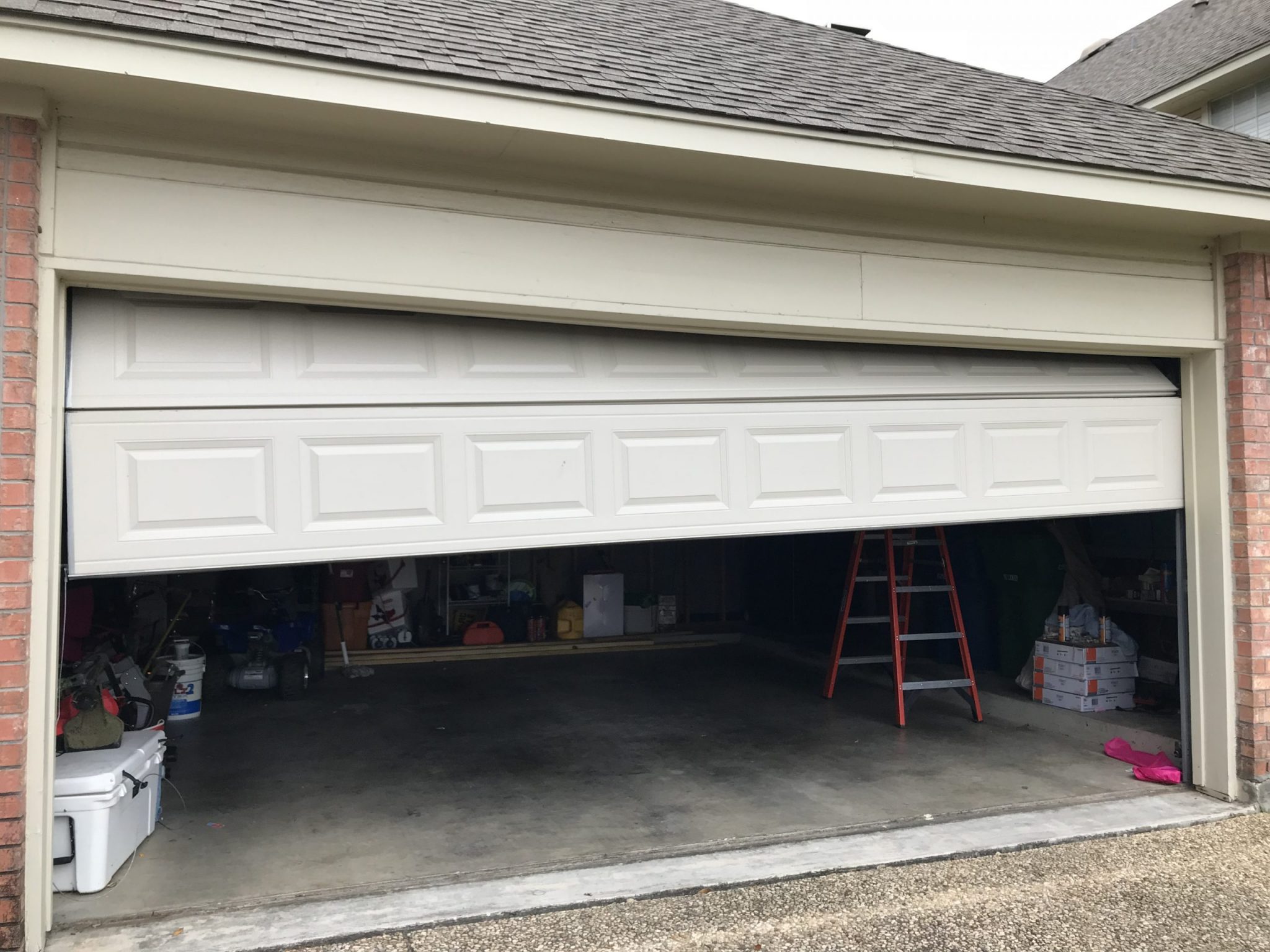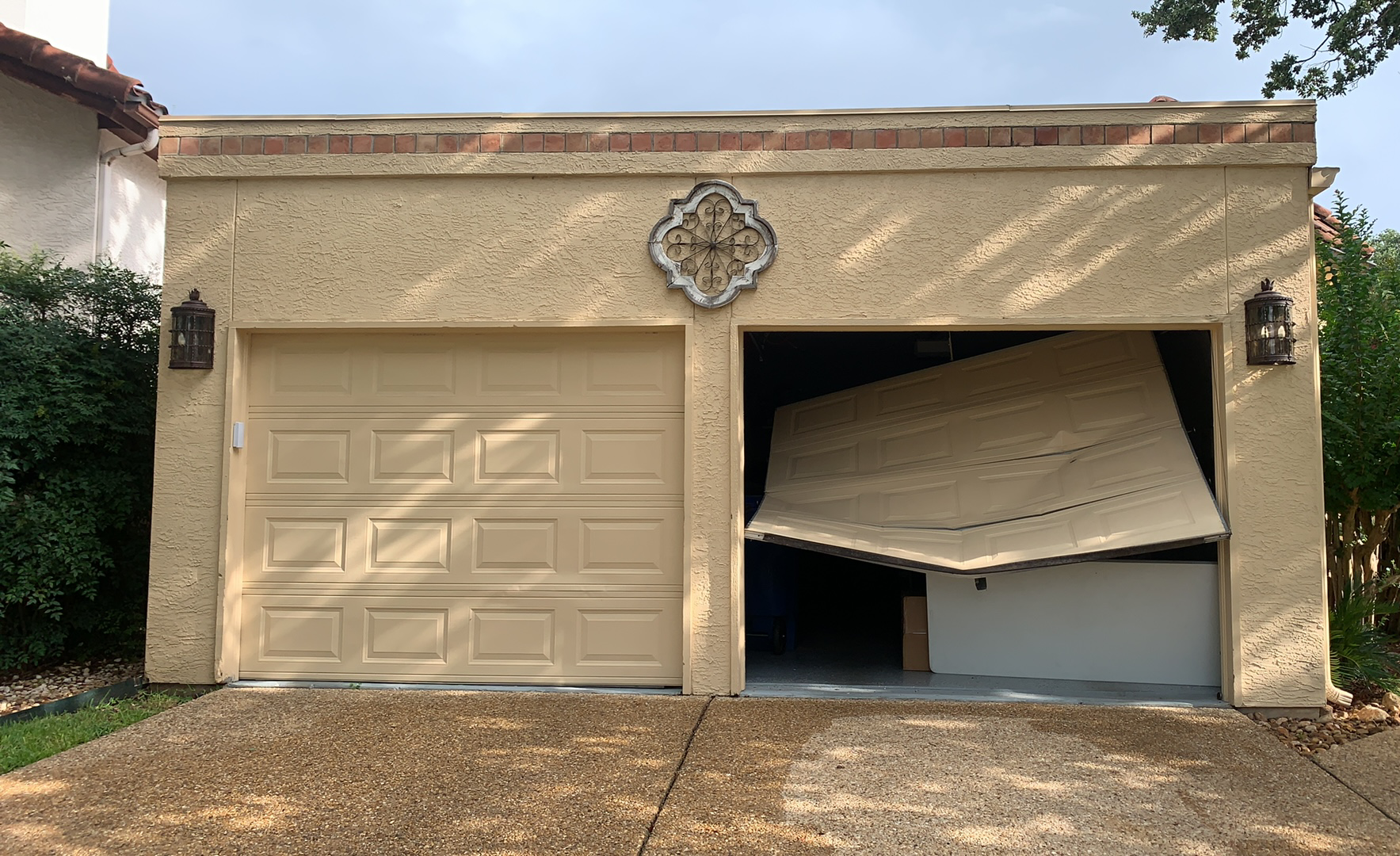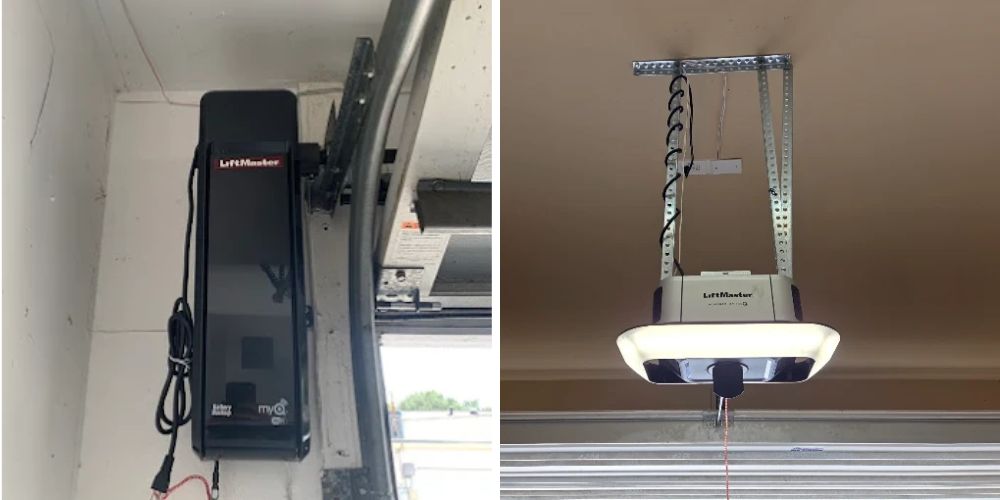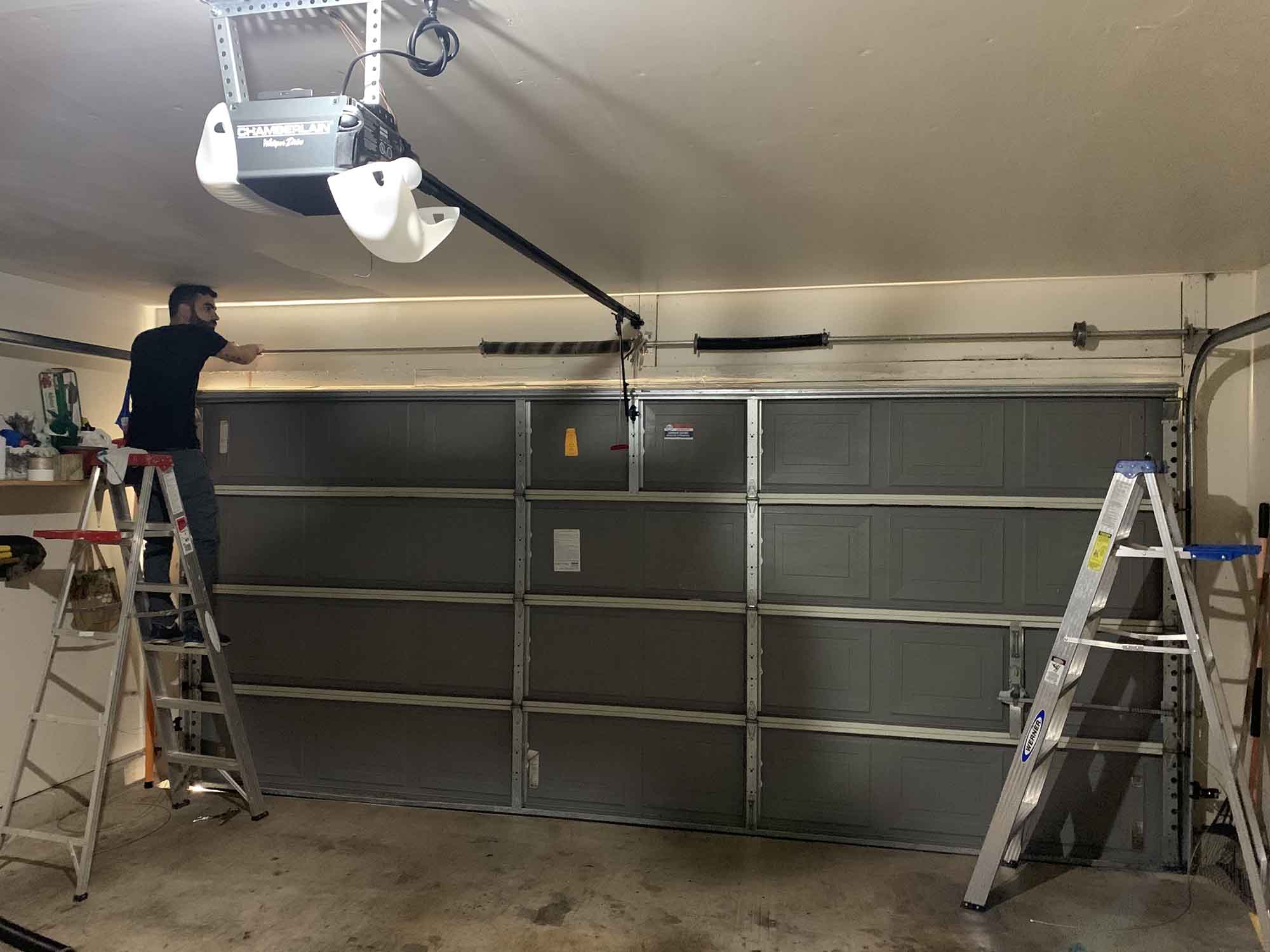
Your garage door is more than a way to enter your home. It’s a complete system of springs, cables, rollers, tracks, hinges, and opener components that operates daily to support access and security. Because the door operates under heavy tension, minor issues can accumulate quietly and manifest as noise, uneven travel, or a door that requires garage door spring repair when you need it to open or close.
For most homeowners, a consistent garage door maintenance routine is the simplest way to support smooth operation and long service life. Regular residential garage door maintenance helps you spot wear early, keep safety features working correctly, and reduce surprise repair calls. With a proper schedule, quick checks at home, a professional garage door tune-up, and an annual garage door inspection, you can keep the system reliable and protect the door and opener from unnecessary strain.
When Should Homeowners Perform Routine Garage Door Maintenance?
A smart routine is a quick visual check each month, plus a professional garage door tune-up at least once per year. This approach supports residential garage door maintenance by helping you notice early signs of issues. At the same time, a technician conducts an annual inspection of key components, including springs, cables, rollers, tracks, hinges, and opener settings. If your door cycles multiple times per day or operates in harsh weather, your service frequency may vary, and a technician may recommend additional visits.
With a consistent schedule, you can address minor issues before they become major repairs. Monthly checks help you spot problems such as noise, uneven door travel, loose hardware, or sensor trouble early. The annual maintenance visit provides a deeper inspection of spring tension, alignment, and overall system condition, ensuring your garage door remains steady, quiet, and reliable through daily use.
If you want a clear breakdown of what a professional reviews during that yearly visit, read What Do Technicians Check in Annual Door Inspections?
Perform a Visual Inspection Every Month
A quick visual inspection each month helps a homeowner maintain energy efficiency and keep a garage door system in strong condition. You don’t need advanced knowledge to perform basic checks; the goal is to spot early warning signs before they escalate into more extensive repairs. Set aside a few minutes to watch the door open and close and listen closely throughout the whole cycle.
Pay attention to how the door travels and what you hear. Does the door move smoothly, or does it jerk, shake, or sit unevenly in the opening? Are there any new sounds, such as grinding, squeaking, or scraping? These changes often indicate wear on key garage door components and may indicate the system needs professional attention, including checking for signs of rust.
During monthly checking, inspect for:
- Wear on cables, springs, and rollers
- Debris or obstructions in the tracks
- Rust, dents, or visible damage on panels and hardware
If anything appears worn, damaged, or unsafe, especially around springs or cables, contact a garage door technician for a full inspection.
Schedule a Garage Door Tune-Up Annually
Monthly checks are helpful, but they can’t replace the trained eye of an expert. Homeowners should schedule an annual garage door tune-up so a technician can perform a comprehensive inspection and confirm the system is operating safely. A professional has the right tools and experience to inspect issues that are easy to miss, helping reduce sudden breakdowns and unexpected repair needs.
During an annual visit, the technician inspects the garage door system’s components, including the opener, rollers, tracks, hinges, cables, and high-tension springs. They also confirm door balance, check safety sensors, tighten hardware, and apply the proper lubricant in approved locations to support smoother door travel, making any necessary repairs to ensure optimal performance. With consistent annual service, your garage door can operate more reliably and remain safer for everyday use.
For guidance on timing based on door usage, seasonal changes, and early warning signs, read When Should Homeowners Schedule a Garage Door Tune-Up?
Lubricate Moving Parts Twice a Year
Proper lubrication helps a garage door operate smoothly and quietly. Key moving parts, such as hinges, garage door rollers, and torsion springs, require the appropriate lubricant to reduce friction during daily operation. When lubrication is missing or worn, metal surfaces can rub together, accelerating wear, increasing noise, and causing rough, uneven door travel. Keeping up with lubrication is a simple step that supports long-term performance and helps reduce unexpected repair needs.
Apply a garage-door-rated lubricant twice per year. This helps protect garage door components such as rollers and torsion springs from corrosion and premature damage. Noisy garage doors often result from buildup. Before applying, wipe away the buildup so the lubrication can do its job, then use a light, controlled amount rather than oversaturating the parts.
How do you know when a garage door lubrication service is needed? If you hear squeaks, grinding, scraping, or screeching during movement, it’s time to check. When the door becomes noticeably louder than usual, the system is often telling you the moving parts need fresh lubrication.
Better Homes & Gardens notes that squeaks often indicate hinge areas needing cleaning and lubrication, consistent with why garage door hinge points can become louder when lubrication is overdue.
For a full checklist of the most common warning signs, read How Do You Know Your Garage Door Needs Lubrication?
Test Auto-Reverse Safety Features Monthly
Auto-reverse is one of the most critical safety features on a garage door system. It helps stop the door from closing on a homeowner, a child, a pet, or an item in the opening. This is why monthly checking should always include the auto-reverse function. If the safety system is not working correctly, the door may close when it shouldn’t, potentially causing property damage or injury to a family member.
To check the auto-reverse pressure setting, place a solid object, such as a piece of wood, flat on the floor where the door meets the ground. Close the door and watch closely. The door should make contact, stop, and reverse immediately. If the door does not reverse, stop using it and contact a garage door opener technician for inspection and adjustment.
Also, inspect the photo-eye safety sensors. These are the small sensors mounted near the bottom of the tracks on both sides of the opening. With the door closing, pass an object in front of one sensor beam. The door should stop and reverse immediately. If either test fails, schedule a professional inspection to confirm sensor alignment, wiring condition, and opener safety settings.
Inspect Weatherstripping and Seals Quarterly
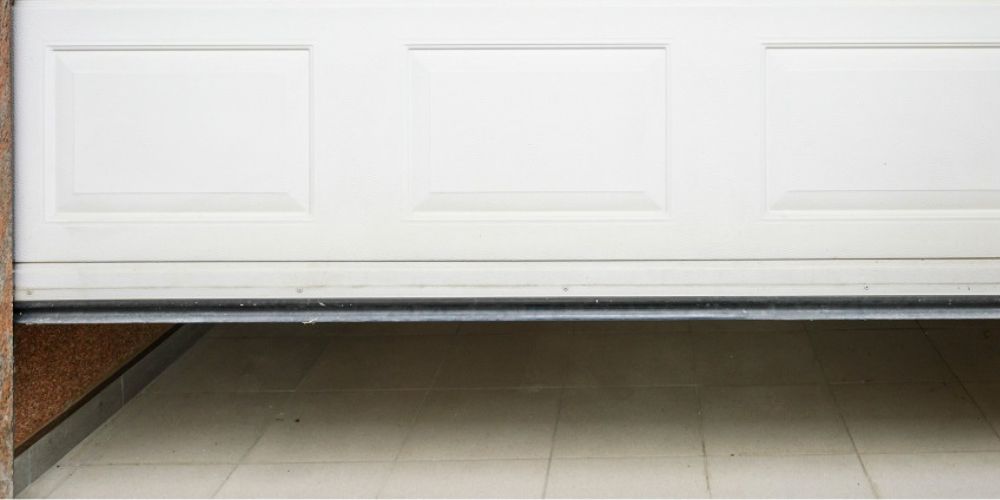
Weatherstripping along the bottom and sides of a garage door helps block rain, wind, dust, and pests from entering the garage. A tight seal also reduces gaps that allow outside air to move in and out, which can improve indoor comfort stability, especially when the garage connects directly to the home. Quarterly checking helps you catch wear early and keep the opening protected.
Sun exposure, temperature swings, and severe weather can cause rubber or vinyl seals to dry out, crack, or warp over time. During inspection, check for splits, brittle sections, or areas that no longer sit flush against the floor or jambs. Even small openings can allow moisture and debris to enter, leading to corrosion, premature wear on garage door parts, and additional repair needs.
If the seal is worn or damaged, replacement is usually the best option. Fresh weatherstripping helps the door close more evenly, keeps the garage cleaner, and supports long-term residential garage door maintenance by reducing exposure to water, dirt, and drafts.
Key Benefits of Regular Garage Door Maintenance for San Antonio Homeowners
For homeowners in San Antonio, regular garage door maintenance supports reliable daily access and long-term system performance. Rapid temperature changes, intense sun, humidity swings, seasonal storms, and extreme weather can accelerate wear on garage door components such as rollers, hinges, tracks, springs, and weather seals. Staying consistent with residential garage door maintenance helps reduce unexpected repairs and lowers the risk of urgent service calls.
When the door system is inspected and adjusted on schedule, it operates more smoothly, supports home security, and helps safety features perform as intended. Routine checks also help catch minor issues early, before they cause uneven door travel, noisy operation, or damage to high-tension parts. The result is a garage door that runs more quietly, closes more securely, and remains reliable in changing San Antonio conditions.
Helps Extend the Lifespan of Your Garage Door System
One of the most significant advantages of regular garage door preventive maintenance is longer system life. A garage door relies on multiple moving parts that operate under high tension, including springs, cables, rollers, and hinges. Routine checks help reduce strain on these parts, preventing premature wear.
When a technician completes an annual garage door inspection, they can identify early wear and address minor issues before they escalate into larger repairs. For example, when spring tension is balanced correctly and the correct lubricant is applied on schedule, the spring replacement system can operate more smoothly and last longer. The same applies to rollers, bearings, and hinges. When friction is controlled and hardware is secure, the entire door system tends to stay stable and dependable.
Key ways residential garage door maintenance can help extend system lifespan include:
- Reducing friction on moving garage door parts through proper lubrication
- Confirming door balance so the opener isn’t forced to lift extra weight
- Limiting corrosion by catching rust early and keeping exposed parts in better condition
Prevents Unexpected Breakdowns and Costly Repairs
A garage door that stops working without warning can disrupt your day and raise security concerns for homeowners. Staying consistent with regular garage door maintenance helps reduce the risk of sudden breakdowns and major repairs. , as well as identify potential issues. During an annual garage door inspection, a technician can inspect high-wear areas and catch early warning signs, such as a cable starting to fray, rollers wearing down, or a spring losing the proper tension, so repairs can be handled before the system fails.
Think of preventive garage door maintenance as handling minor issues while they’re still manageable. A quick sensor alignment, hardware tightening, or spring tension adjustment is usually far simpler than dealing with a door that won’t open, a door stuck halfway, or a complete spring failure. Early action also helps prevent a chain reaction in which a worn part forces other garage door components to work harder, potentially causing further damage. With routine residential garage door maintenance, you protect system performance and reduce the likelihood of more involved repairs later.
Improves Home Safety and Security
For many homeowners, the garage door is used daily and often serves as a primary entry point to the home. Regular garage door maintenance and routine maintenance support safety by keeping the system reliable and ensuring key safety features function properly. Monthly checks of the auto-reverse function and photo-eye sensors help reduce the risk of accidents and prevent injury to a family member when the door is closing.
A well-maintained door also strengthens home security as it is a crucial part of your home. Worn garage door parts, misaligned tracks, or opener issues can affect how the door closes and latches, potentially leaving the opening less secure. During an annual garage door inspection, a technician can inspect the opener, confirm the door closes fully, verify sensor alignment, and check the locking and closing performance. When the system operates smoothly and seals properly, you gain peace of mind knowing your garage door supports both safety and security every day.
What to Expect During an Annual Garage Door Tune-Up
Scheduling a garage door repair tune-up once per year is a smart step for homeowners who want reliable performance and fewer unexpected repairs. An annual visit is more than a glance; it is a detailed inspection where a technician checks the entire system, evaluates how the door moves, and confirms that safety features and opener settings are operating correctly.
During the appointment, the technician inspects key garage door parts, makes minor adjustments where needed, and applies the correct lubricant to approved moving points. This helps reduce friction, ensures smooth door movement, and highlights early wear before it becomes a bigger issue.
Comprehensive Inspection by Trained Technicians
The foundation of any high-quality garage door tune-up is a complete, multi-point inspection. Trained technicians know where garage door problems typically begin, and they can spot early signs of wear that a homeowner may miss. The goal is to inspect the whole door and opener system carefully so key details are not overlooked.
During this inspection, the technician checks high-tension and high-wear components of the garage door, including springs, cables, rollers, and pulleys. They inspect for fraying, corrosion, worn surfaces, loose hardware, and alignment issues that can affect smooth door travel and overall safety. This level of checking helps identify concerns early, before they affect door function or lead to more extensive repairs.
After the inspection, you’ll have a clear understanding of your door’s condition. The technician will explain any recommended repairs or adjustments and outline what should be addressed now and what can be monitored over time so that you can choose the appropriate next steps for your home.
Adjustment of Springs, Cables, and Hardware Components
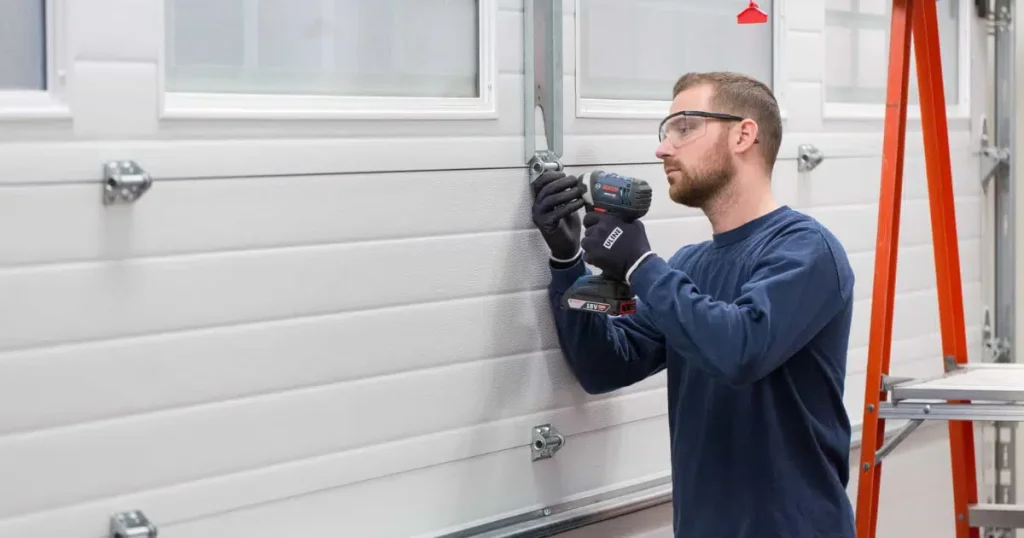
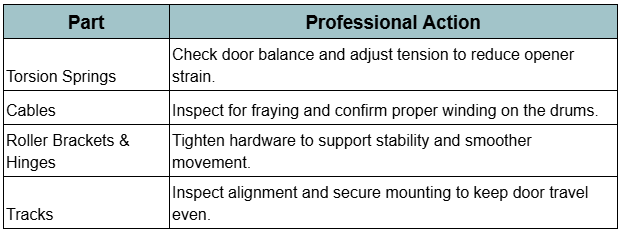
After the inspection, the technician makes precise adjustments to ensure the door operates smoothly and safely. One of the most important steps is checking the door balance. A door that is out of balance can place extra strain on the opener and lead to early wear. The technician adjusts the torsion spring tension to ensure the door is counterbalanced correctly and moves evenly.
Cables, roller brackets, hinges, and track mounting points are also checked and tightened as needed. Because many garage door parts operate under extreme tension, these adjustments should only be handled by a trained professional to reduce safety risks. Even minor alignment issues can affect door travel, increase noise, and contribute to future repair needs. Garage door cable repair also requires expert attention and should not be handled as a DIY task.
Here’s what technicians typically adjust during service:
Lubrication of All Essential Garage Door Parts
Proper lubrication is a core part of professional garage door service because it reduces friction and supports smoother, quieter door travel. During a garage door tune-up, the technician uses a high-quality garage door-rated lubricant designed for hinges, rollers, bearings, and spring systems. Proper lubrication helps moving parts operate more efficiently and can extend the service life of key garage door components.
During service, lubrication is applied to critical components, including torsion springs, hinges, rollers (where appropriate for the roller type), and bearings. This reduces squeaks and grinding while creating a protective layer that limits moisture exposure and slows corrosion. Technicians avoid applying lubrication where it can cause problems, such as the track running path, because that area should stay clean to support stable door movement.
Household products can become sticky and collect dust, leading to buildup and noisy operation. Professional-grade lubrication, applied correctly and in the right amount, supports cleaner performance, helping your garage door run quieter and more reliably day after day.
Knowing how often to schedule garage door maintenance helps ensure the system remains reliable and safe over time. With monthly checks, an annual garage door tune-up, and timely lubrication of moving parts, you can reduce friction, ensure smooth door travel, and catch wear early. Scheduling regular inspections as part of a consistent plan also helps limit unexpected repair needs and confirms that safety features and closing performance continue to protect your home.
For homeowners who want expert support, Mojo Garage Door Service provides professional inspection, tune-ups, and repair recommendations based on your door’s condition and usage. We’ll help you select a maintenance schedule that fits your home and keeps your garage door operating smoothly. Contact us today or give us a call to schedule service.
Frequently Asked Questions
Are there risks to skipping garage door maintenance?
Yes. Skipping regular service can lead to worn garage door parts, sensor issues, and balance problems, which may cause sudden failure. Springs and cables operate under high tension, so ignoring wear can lead to property damage or injury to the homeowner. Regular checking and annual service help reduce these risks.
What factors affect the cost of a garage door tune-up in San Antonio?
It depends on the door’s condition, type, cycle frequency, and whether the technician identifies worn parts requiring repair or replacement. The scope of the inspection, adjustments, and lubrication performed during the visit can also affect the total.
How often should I perform regular maintenance on my garage door as a homeowner?
A practical schedule includes monthly visual inspections and a set of maintenance steps, including a professional garage door tune-up annually. Monthly checks help you notice changes in sound, movement, or alignment, while the annual garage door inspection confirms spring tension, safety sensor function, door balance, and opener settings. Industry and manufacturer guidance both emphasize regular safety-reversal and sensor checks to confirm the system responds correctly during closing.
What should be included in a yearly garage door maintenance checklist?
A yearly checklist typically includes inspections of springs, cables, rollers, hinges, tracks, door balance, safety features, and remote controls. A technician may also tighten hardware, adjust opener travel and force settings, and apply garage-door-rated lubricant to approved moving points.
What are the signs that my garage door needs service soon?
Common signs include new grinding or squeaking, uneven or jerky door travel, a door that reverses unexpectedly, slow response from the opener, or visible wear on the cables and rollers if the door feels heavier than usual or won’t close cleanly. Schedule inspection.
Can I do basic garage door maintenance myself, or should I hire a professional?
Homeowners can handle basic tasks such as visual inspection, clearing debris near tracks, and testing safety sensors. Any work involving high-tension components, such as springs, cables, and major adjustments, should be performed by a trained technician to reduce safety risks and ensure reliable operation.
How does regular garage door maintenance help extend the door system's lifespan?
Regular service helps reduce friction, supports smoother movement, and keeps the door balanced, so the opener isn’t forced to lift extra weight. It also allows technicians to identify worn garage door parts early, reducing the risk of damage that can spread to other components and lead to more extensive repairs.
What parts of a garage door should receive lubrication during service?
Lubrication is typically applied to hinges, bearings, torsion springs, and metal rollers when appropriate for the roller type. A technician uses a garage-door-rated lubricant and applies it in controlled amounts to avoid buildup. Tracks are usually cleaned and inspected rather than lubricated on the running path.
When should I schedule a professional garage door tune-up?
Schedule a tune-up at least once per year, and sooner if you notice unusual noises, uneven door travel, sensor problems, or changes in how the door opens and closes. A professional inspection is also recommended after a severe storm, accidental impact, or extended periods of heavy use.