Your garage door is more than a means of getting in and out of the home. It’s a system of springs, cables, rollers, tracks, hinges, and opener parts that work together under heavy tension. Because the door moves multiple times a day, wear can build gradually without obvious warning signs, which can lead to potential safety hazards. A yearly inspection by a qualified technician is a key part of garage door maintenance, helping a homeowner keep the system reliable, safe, and smooth in daily use.
An annual door inspection focuses on both mechanical performance and safety features. The technician will inspect key garage door parts, check door balance, confirm spring tension, and verify that the opener and sensors respond correctly. Understanding what technicians check during an annual garage door inspection supports smarter garage door maintenance planning, helps you schedule service at the right time, and reduces the chance of larger repair needs that disrupt your routine.
Understanding the Importance of Annual Garage Door Inspections
Scheduling annual garage door inspections is one of the most effective ways to reduce sudden and disruptive repair needs. Over time, garage door parts can develop wear that isn’t always visible during everyday use. If these common issues are not identified, they can affect door movement, safety features, and overall system reliability. A trained technician can inspect areas that a homeowner may overlook and identify concerns before they escalate.
Booking a professional garage door inspection at least once per year helps confirm that the system is operating safely and as intended. This yearly service, alongside reliable garage door installation, supports consistent door performance and provides reassurance that key safety features are functioning properly for daily use.
For a clear routine that combines quick at-home checks with professional service timing, read How Often Should Homeowners Do Garage Door Maintenance?
Connection to Garage Door Maintenance
An annual inspection is a core part of any residential garage door maintenance plan. Most professionals recommend yearly service because it goes beyond surface-level checking and covers the entire door system, ensuring any necessary repairs are identified. During this visit, a technician inspects all major garage door parts, confirms door balance, checks spring tension, and evaluates opener performance and safety sensor response.
As part of the inspection, the technician applies proper lubrication to approved moving points and makes small adjustments when alignment or balance is off. These steps help maintain smooth door travel and consistent operation. Working with high-tension parts such as springs and cables requires specialized tools and experience, which is why professional service plays a critical role in long-term system care.
If you’re planning your service calendar and want to know the best time to book professional care, read When Should Homeowners Schedule a Garage Door Tune-Up?
Why Annual Inspections Are Recommended for San Antonio Homeowners
For homeowners in San Antonio, annual garage door inspections are especially important due to local climate conditions. Intense sun exposure, high heat, humidity, and temperature shifts can accelerate wear on panels, springs, rollers, seals, and hardware. Over time, these conditions can affect alignment, weather sealing, and door movement.
A yearly inspection helps identify climate-related wear early and allows a technician to address small concerns before they lead to damaged parts or interrupted door operation. This proactive approach supports consistent performance through seasonal changes and helps homeowners avoid unexpected breakdowns, providing peace of mind. With annual service in place, your garage door is better prepared to handle local weather while remaining dependable and secure year-round.
Key Steps in a Comprehensive Garage Door Tune-Up
A professional garage door tune-up follows a structured process to confirm every part of the system operates safely and smoothly. This service supports regular garage door maintenance by focusing on the door, the garage door opener, and the moving parts that experience daily wear. Technicians use a detailed checklist to inspect, apply lubrication where appropriate, and verify that settings and alignment support steady door travel, which is crucial for regular maintenance.
This step-by-step approach helps identify minor issues early so repairs can be completed before they turn into larger problems. For most homeowners, scheduling a tune-up at least once per year is a reliable baseline, though frequency may vary depending on door age and daily usage.
Visual Inspection of Garage Door Components
The first step is a detailed visual inspection of garage door parts across the entire system. A technician is trained to inspect for early wear that a homeowner may not notice, from larger areas like door panels down to small hardware details, including any loud noises during operation.
During this inspection, the technician checks for common warning signs such as corrosion, cable wear, and physical damage. Key areas include:
- Door Panels: Inspect for dents, warping, cracking, or impact damage that can affect door stability and safe operation.
- Weather Seals: Check for brittle sections, gaps, or separation that can allow water, wind, dust, and pests into the garage.
- Hardware: Inspect hinges, roller brackets, and fasteners for looseness, shifting, and rust that can affect alignment and movement.
Lubrication Protocol for Moving Parts
After inspection, the technician applies a garage-door-rated lubricant to approved moving points. Proper lubrication reduces friction, supports quieter performance, and helps garage door parts last longer, which is crucial for preventing issues like garage door spring repair. When lubrication is missing or breaks down, metal-to-metal contact can increase wear and lead to noisy, rough door travel.
Technicians typically apply lubrication to:
- Rollers (especially bearing points, when appropriate for the roller type)
- Hinges
- Springs
- Pulleys (when present)
- Opener drive parts, such as chain or screw systems (as applicable)
Technicians may clean the tracks and inspect alignment, but they typically avoid applying lubrication to the track running path because it can collect dust and debris and reduce smooth roller movement.
To understand the most common noise and performance cues that signal lubrication is wearing off, read How Do You Know Your Garage Door Needs Lubrication?
Safety Features Technicians Check During Annual Door Inspections
Inspecting safety features is one of the most important parts of an annual garage door inspection. These systems are designed to reduce the risk of accidents and limit property damage during daily operation. If a safety feature fails, the door may not respond correctly while closing, which can create unsafe conditions. That’s why a trained technician performs specific testing and checking steps during yearly service to confirm every safety feature is working as intended.
This portion of garage door maintenance focuses on identifying potential issues that could lead to unsafe operation or unexpected repair needs.
Testing Emergency Release Mechanisms
The emergency release cord allows the door to be operated manually if the power goes out or the garage door opener stops working. During an annual door inspection, a technician checks this mechanism to confirm it releases properly, moves smoothly, and reconnects correctly, as part of their emergency garage door repair services.
To perform this test, the technician disconnects the door from the opener and checks manual operation. This also supports checking for proper door balance and spring tension.
Typical steps include:
- Pulling the emergency release cord while the door is fully closed
- Lifting the door by hand to confirm it moves smoothly without excessive resistance
- Re-engaging the opener to confirm the trolley reconnects correctly
If the release mechanism sticks, the door feels unusually heavy, or the reconnect process fails, the technician will recommend the appropriate repair and adjustment to restore safe function.
Ensuring Photocell Motion Sensors Are Functional
Photo-eye sensors (sometimes called photocell safety sensors) are mounted near the bottom of the tracks and send an invisible beam across the opening. If the beam is interrupted while the door is closing, the opener should stop and reverse immediately. This safety feature helps protect a homeowner, children, pets, and stored items from contact with the closing door.
During inspection and checking, a technician will:
- Close the door using the wall control or remote
- Pass an object through the beam to confirm the door stops and reverses
- Inspect sensor alignment and mounting stability
- Clean sensor lenses to remove dust, moisture residue, or spiderwebs that can interfere with the beam
If the door fails to reverse, the issue may involve sensor alignment, wiring, or opener settings. A technician can inspect the system and complete the correct repair so the garage door operates safely and consistently.
Hardware Assessments Performed by Technicians
Beyond safety features, technicians also inspect the hardware that supports door movement and stability. Garage door parts that operate under high tension, especially springs and cables, handle heavy lifting every day and can wear gradually without obvious warning. Regular inspection and checking help reduce the chance of sudden failure and support smoother, quieter door travel over time.
During an annual door inspection, a technician inspects hardware condition, confirms proper spring tension, and tightens fasteners that loosen through normal vibration. Because these adjustments involve high-tension parts and specialized tools, homeowners should avoid hands-on work in these areas and rely on a trained professional.
Examining Springs, Rollers, and Tracks
A detailed inspection of springs, rollers, and tracks is essential during annual service. The garage door spring system operates under extreme tension and supports the weight of the door. Visible wear in the spring system can signal an increased risk of failure. Common problems such as worn rollers and misaligned tracks are also inspected closely because they can cause uneven movement, noise, or doors that bind during travel.
Technicians inspect these areas using specific criteria to confirm safety and reliable operation. If concerns are found, the technician will recommend the appropriate repair so the system remains dependable.

Tightening Bolts and Checking Brackets
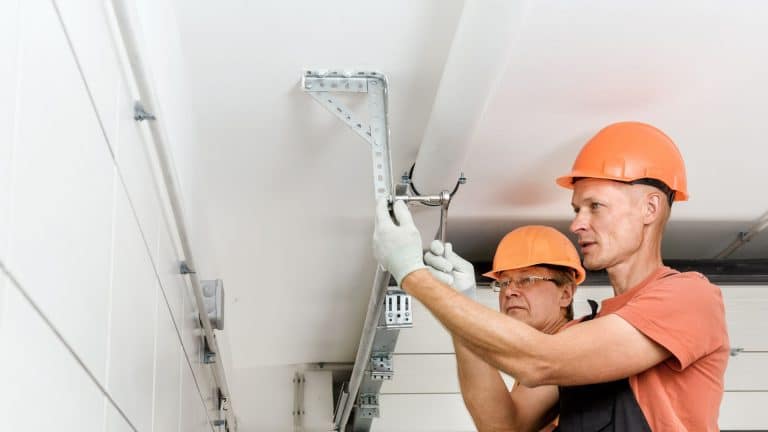
Daily operation creates vibration that can loosen bolts, nuts, and brackets over time. When hardware loosens, garage door parts can shift slightly, which may increase noise, affect alignment, and add strain to other parts. During an annual garage door inspection, a technician tightens key fasteners to help keep the system stable and operating smoothly.
A trained technician also knows how to tighten hardware correctly without over-tightening or damaging parts. During this step, technicians commonly:
- Inspect and check screws and fasteners along the track supports
- Tighten nuts and bolts on hinges, brackets, and roller hardware
- Inspect for stripped or corroded fasteners that may need replacement
- Confirm brackets are securely fastened to the wall framing and door structure
The Role of Garage Door Opener and Controls in Inspections
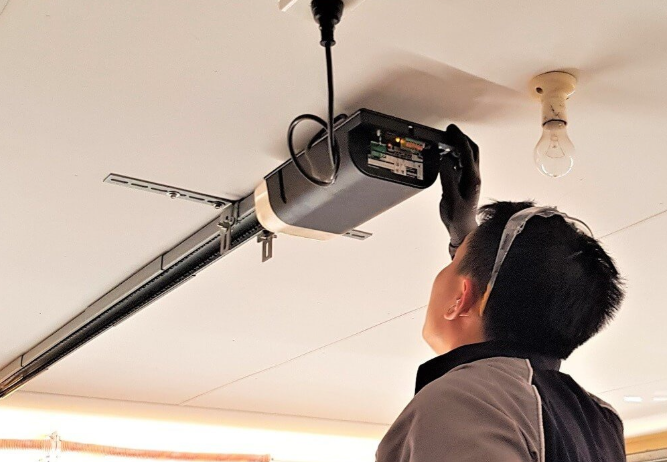
The garage door opener is the control hub for the entire system, so an annual inspection is not complete without checking the opener and its controls. During professional inspection and checking, a technician evaluates the motor, wall control, remotes, and communication between devices to confirm consistent response and safe operation. This helps identify common concerns such as slow movement, intermittent operation, or doors that stop mid-travel.
Technicians also inspect the opener’s built-in safety features to confirm the system responds correctly during closing. When opener performance and safety settings are verified on schedule, homeowners are less likely to deal with access interruptions, unsafe closing behavior, or unexpected repair needs.
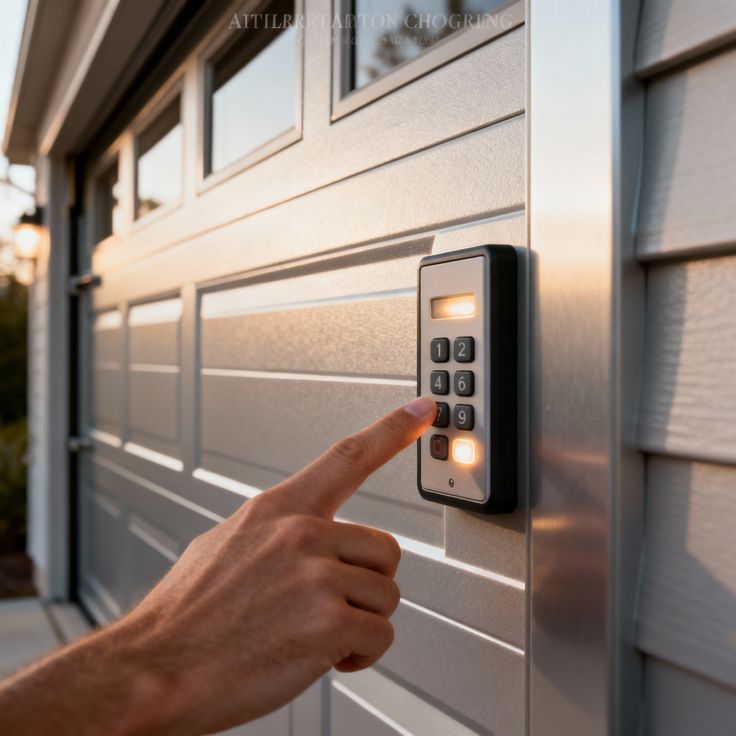
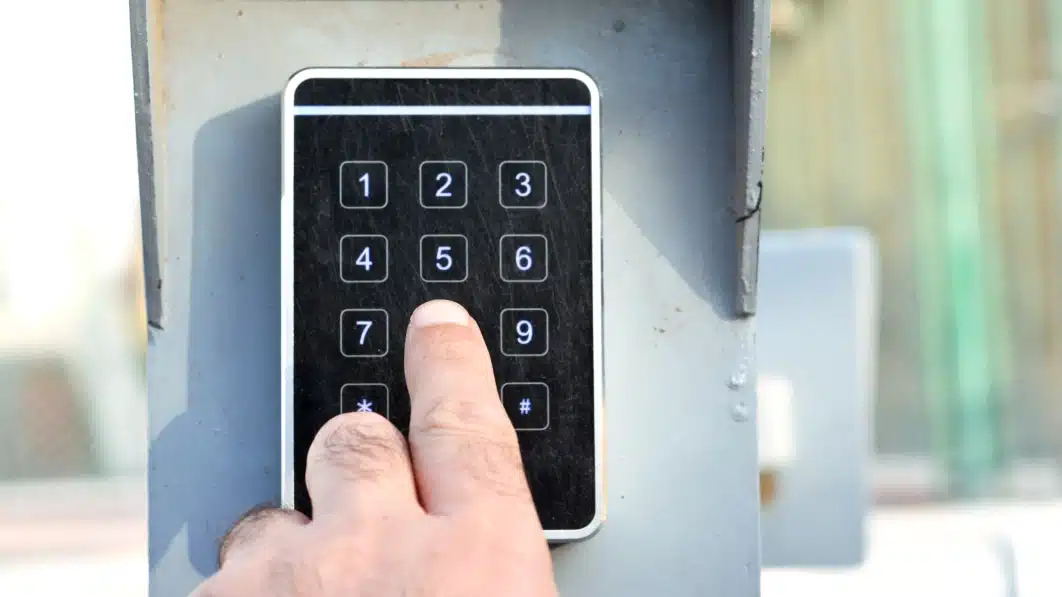
Evaluating Remote and Wall Controls
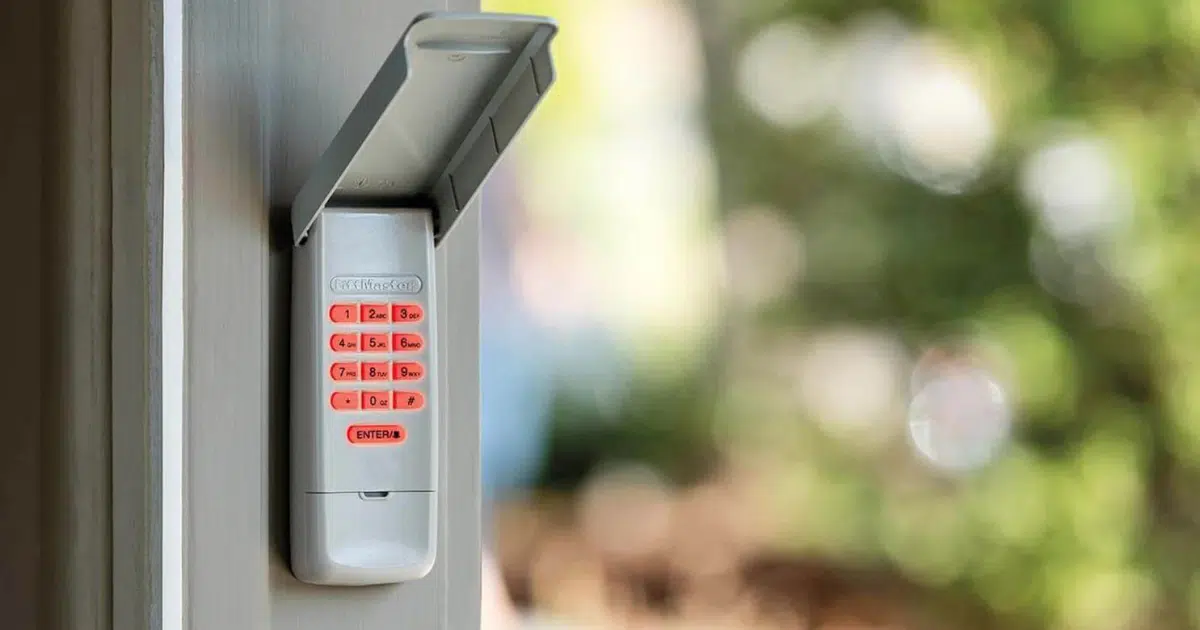
Annual service includes checking that the wall controls and remotes send reliable signals to the opener. If signals are weak or inconsistent, the door may not open or close when expected, which can be frustrating and create access issues.
During this step, technicians typically:
- Test the wall button for a consistent response
- Test each remote for reliable operation
- Check signal strength and operating range around the driveway and entry area
- Inspect for missed inputs or delayed responses between controls and the opener
Sometimes the solution is simple, such as a battery replacement or reprogramming, but the technician will also inspect the opener receiver and wiring if signal issues continue.
Inspecting Reverse Functionality and Additional Safety Measures
In addition to photo-eye sensors, garage door openers include an internal auto-reverse feature that detects resistance and reverses the door to reduce accident risk. Testing this feature is a key part of annual inspection and checking because it verifies that the door responds correctly during closing.
To test auto-reverse, a technician places a soft object in the door’s path and closes the door. When contact is made, the door should stop and reverse immediately. If it does not, the technician can adjust opener force and travel settings to bring the system back within safe operating limits.
During this safety check, technicians commonly:
- Perform an auto-reverse test using a soft, stable object
- Inspect opener force settings if the door fails to reverse as expected
- Confirm the door does not apply excessive force before reversing
- Verify overall safety settings support smooth, predictable operation
These checks help reduce the risk of damaged property and support safer operation for the homeowner and the household.
To verify the safety reversal response, Chamberlain Group provides a step-by-step safety reversal test process.
Signs That Indicate Your Garage Door May Need Repairs
During an annual door inspection, technicians inspect for specific warning signs that suggest repair may be needed soon. Homeowners can also watch for these red flags between professional visits. Catching concerns early helps reduce the chance of a door that won’t operate reliably and helps prevent small issues from turning into more involved repairs.
If you notice changes in how the door sounds, moves, or sits in the opening, it’s worth scheduling a professional inspection and checking.
Common Warning Signals Technicians Look For
Technicians are trained to recognize early signs of wear—even when a problem seems minor. Unusual noise, slow movement, or uneven door travel can indicate friction, alignment concerns, or high-tension parts that are starting to wear.
During inspection, technicians commonly check for:
- Unusual noises: Grinding, screeching, popping, or rattling during opening and closing
- Slow door travel: The door takes longer to open or close than normal or hesitates mid-travel
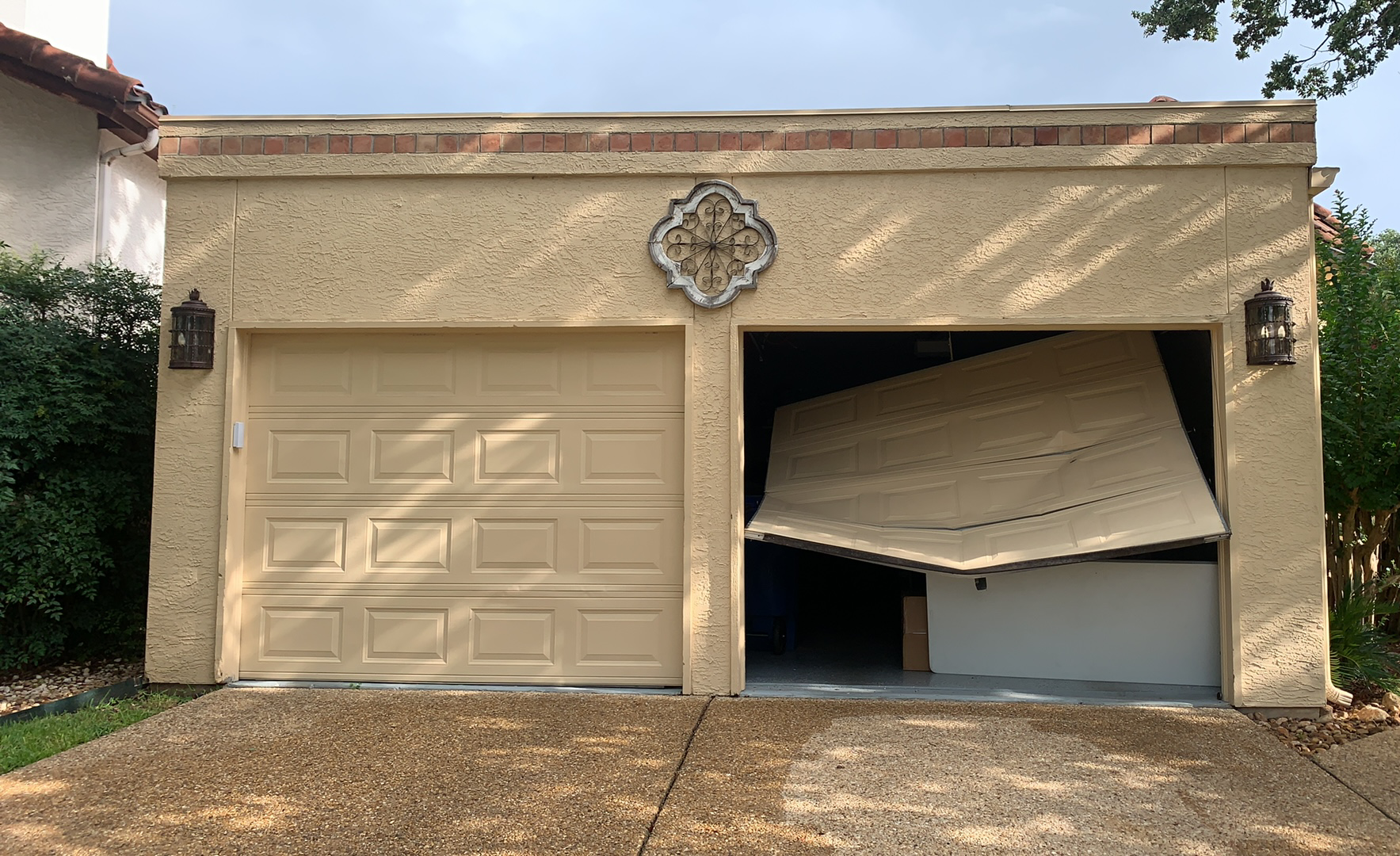
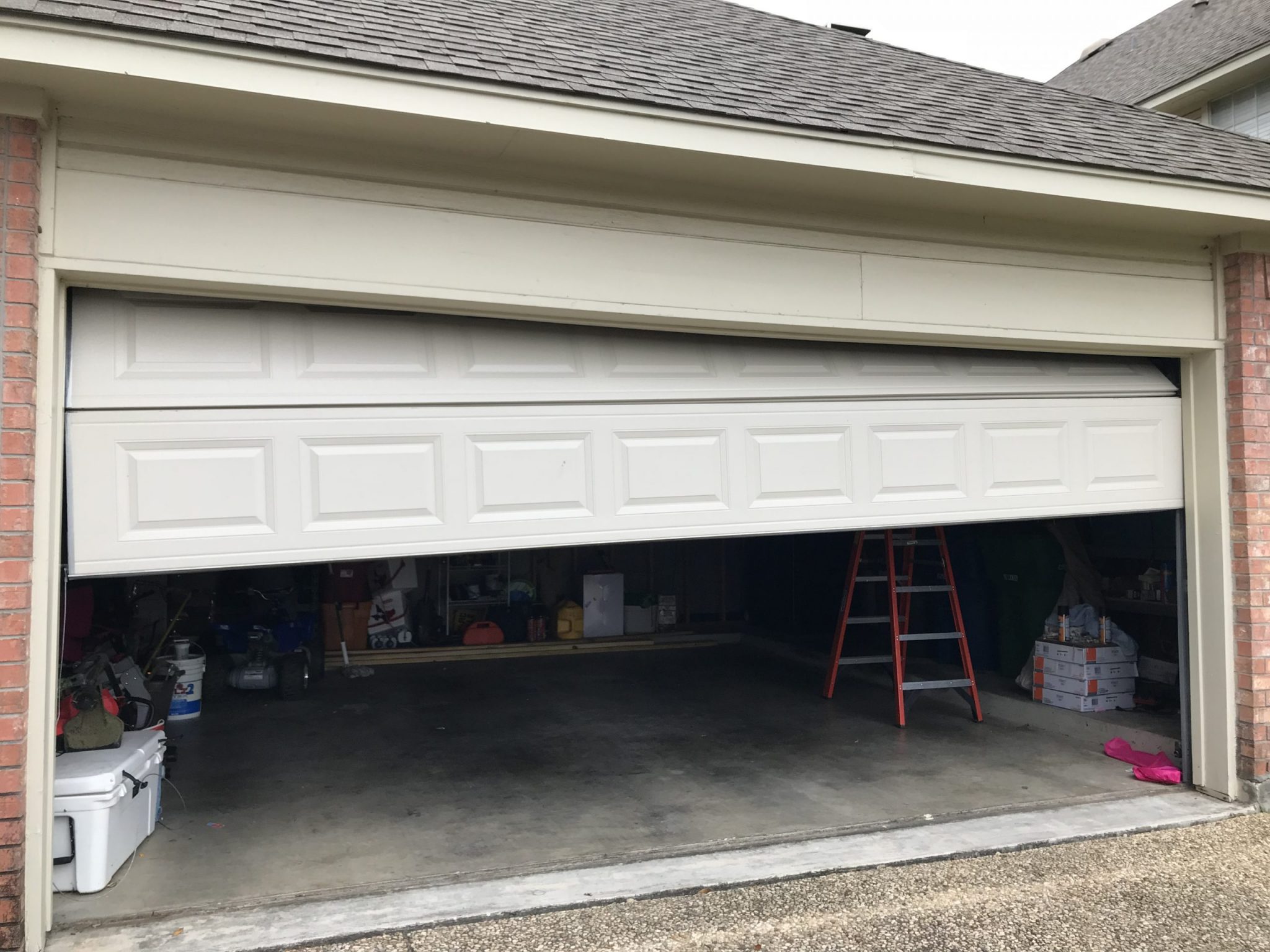
- Uneven alignment: The door appears off-balance, or there’s a visible gap on one side
- Jerky motion: Shaking, stopping, or rough movement along the tracks
- Cable concerns: Loose, frayed, or slack cables along the sides of the door
If any of these issues appear, it’s best to contact a technician quickly. Early repair can help prevent wider strain across other garage door parts.
Discussing Issues Unique to Texas Weather and Usage
Texas weather can accelerate wear on garage door systems. High heat, humidity swings, and severe storms can affect seals, metal hardware, door alignment, and overall door performance. A professional garage door repair technician familiar with local conditions will inspect for weather-related wear patterns and recommend preventive steps.
Common concerns influenced by Texas conditions include:
- Worn weather seals: Heat can dry out and crack seals, leading to gaps and more dust and moisture in the garage
- Corrosion: Humidity can contribute to rust on springs, tracks, and other metal parts
- Panel warping or shifting: Extended sun exposure can affect certain door materials and lead to alignment changes
- Opener strain: Temperature changes can affect how smoothly the opener drives the part, especially when settings are already slightly off
Consistent garage door maintenance, including annual inspection and timely repair, helps homeowners stay ahead of weather-related wear and keeps the system dependable year-round.
How Regular Garage Door Maintenance Extends Door Lifespan
Consistent garage door maintenance, including regular cleaning, helps a homeowner extend system lifespan and reduce the chance of early replacement. Like any frequently used home system, a garage door relies on multiple moving parts that need routine inspection and checking. When wear is caught early, garage door parts are less likely to fail unexpectedly, which can reduce the need for repeated repair visits.
When technicians keep moving parts clean, apply proper lubrication to approved points, and confirm alignment and door balance, the system typically operates with smooth operation. Smooth door travel reduces strain across the opener and high-tension parts such as springs and cables. Over time, this steady care helps the door run more reliably and supports longer service life.
Preventing Costly Repairs Through Timely Tune-Ups
One of the biggest advantages of annual service is identifying small concerns before they become larger repair needs. During a tune-up and inspection, a technician can inspect issues such as worn rollers, loose hardware, or sensor alignment concerns and address them early. A simple adjustment or timely lubrication can help prevent uneven door travel that places added strain on the opener and other garage door parts.
Timely tune-ups can help reduce the risk of:
- Sudden spring or cable failure due to advanced wear
- Opener strain caused by poor door balance or excessive friction
- Track damage from worn rollers or shifting hardware
- Wider system issues that lead to more involved repairs
Scheduling yearly service is a practical way to reduce surprise problems and keep the system operating consistently.
Benefits for San Antonio, TX Homeowners
For homeowners in San Antonio, regular garage door maintenance is especially valuable because local conditions can accelerate wear. Heat, sun exposure, humidity shifts, and storms can affect lubrication performance, seals, metal hardware, and alignment. Annual inspection and checking help technicians identify weather-related wear early and recommend garage door repairs before performance drops.
Key benefits include:
- Enhanced durability: Helps reduce wear from heat, humidity, and frequent cycling
- Improved security: Confirms the door closes fully and safety features operate correctly
- Energy efficiency: Inspection of weather seals helps limit drafts and moisture intrusion
- Reduced repair risk: Early inspection and preventive service help avoid larger repair needs later
Knowing what technicians check during annual door inspections helps homeowners keep a garage door system safer, more reliable, and ready for daily use. Regular inspection and checking support long-term performance by identifying wear early, confirming spring tension and door balance, and verifying that safety features respond correctly. When concerns are addressed early, the door is less likely to develop sudden issues that lead to larger repair needs.
At Mojo Garage Door Service, our technicians provide thorough annual inspections for San Antonio homeowners, focusing on springs, tracks, rollers, safety sensors, and opener controls. If you want help scheduling an annual door inspection or you’ve noticed changes in door travel or noise, contact us or give us a call to set up a service visit.
Frequently Asked Questions
Which garage door parts need regular lubrication during maintenance visits?
Technicians typically apply garage-door-rated lubricant to approved moving points such as hinges, bearings, torsion springs, pulleys (when present), and metal rollers when appropriate for the roller type. Tracks are usually cleaned and inspected rather than lubricated on the running path, since lubrication there can collect debris and affect smooth door travel.
Is it safe to perform garage door maintenance without expert help?
Basic homeowner checking—such as visual inspection, clearing debris near tracks, and testing safety sensors—can be safe. However, work involving high-tension springs, cables, or opener adjustments should be handled by a trained professional. These parts can be hazardous and may lead to injured homeowners or damaged property if handled incorrectly.
What are the essential steps for routine garage door maintenance?
A strong routine includes regular visual checking, cleaning around the door and track area, and periodic testing of safety features like auto-reverse and photo-eye sensors. Professional service typically adds deeper inspection, door balance checking, spring tension evaluation, hardware tightening, and lubrication at approved points.
How can regular garage door maintenance extend its lifespan?
Maintenance supports longer system life by reducing friction, keeping door travel smooth, and ensuring the opener isn’t lifting extra weight due to poor balance. When technicians address wear early and maintain proper tension and alignment, garage door parts tend to last longer, and the system avoids unnecessary strain.
Are there any safety precautions I should follow during garage door maintenance?
Yes. Avoid hands-on work with springs, cables, and bottom brackets because these areas operate under high tension. Do not attempt spring tension adjustments or cable repairs. If you notice fraying, heavy door movement, or sensor failures, schedule a professional inspection and repair.
How often should doors be inspected?
Most homeowners should schedule a professional annual door inspection at least once per year. If the door cycles frequently or is older, service frequency may vary, and a technician may recommend twice-yearly inspection and checking. Journeyman HQ also reinforces a schedule built around routine monthly inspection habits plus periodic deeper service, which aligns with annual professional inspection planning.
What is a safety door check?
A safety door check is a portion of the inspection focused on testing safety features. A technician checks photo-eye sensor alignment, tests auto-reverse response, verifies the emergency release mechanism, and confirms the opener settings support safe closing and consistent operation.
What are the warning signs that my garage door requires repair?
Common warning signs include grinding, scraping, rattling, slow door travel, jerky motion, uneven alignment, sagging or frayed cables, and an opener that operates inconsistently. Visible panel damage or a door that reverses unexpectedly also indicates the need for professional inspection and repair.
Why is garage door maintenance important for safety?
Garage door maintenance is important because it confirms safety features are operating correctly and helps identify worn parts before they fail. Since a garage door is heavy and operates under high tension, routine inspection and checking, along with professional help, helps reduce accident risk and protect the home during daily use.